Iran Oil Production Faces Critical Two-Week Countdown Under Looming US Navy Blockade Threat
BitcoinWorld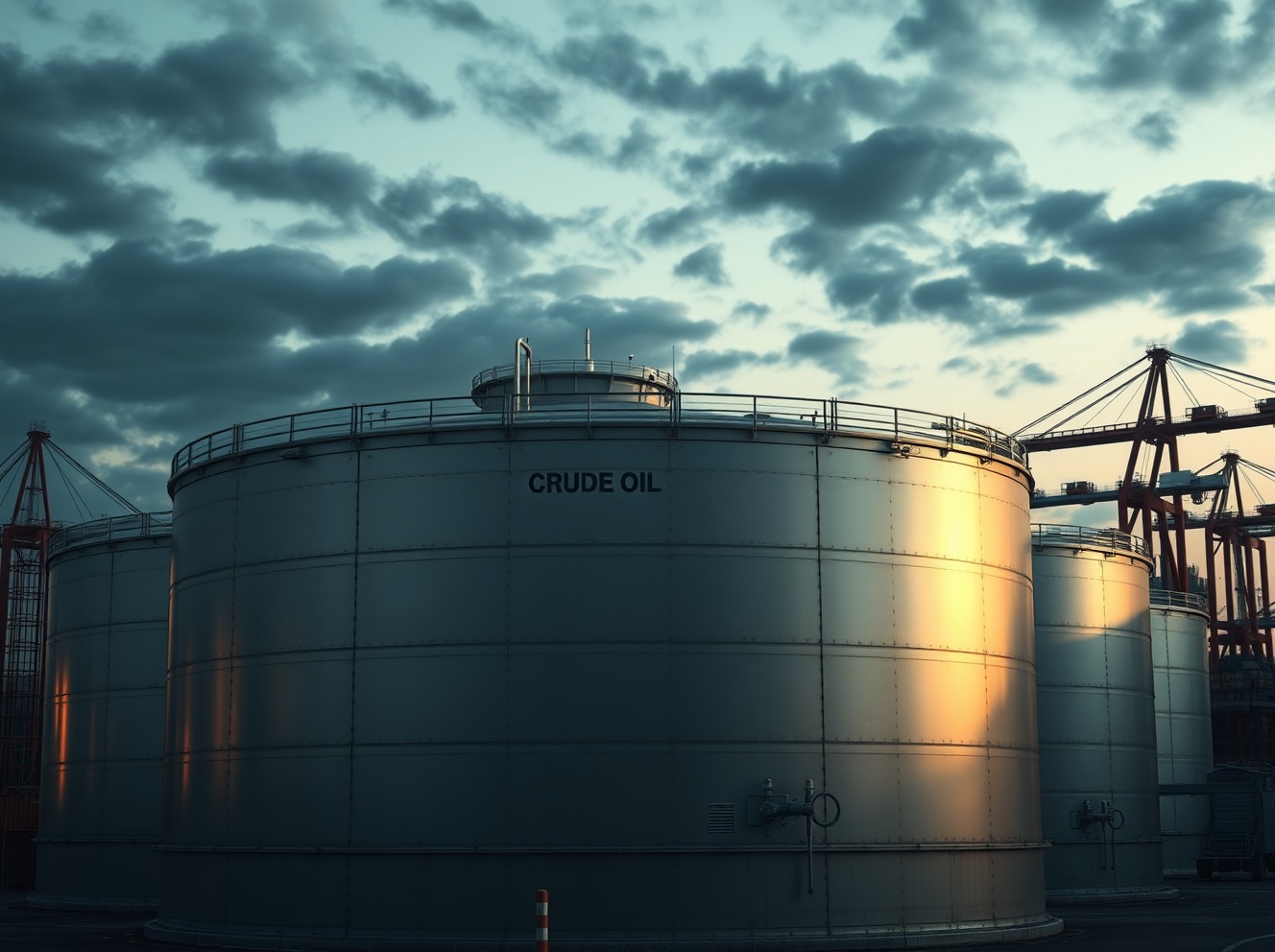
Iran Oil Production Faces Critical Two-Week Countdown Under Looming US Navy Blockade Threat
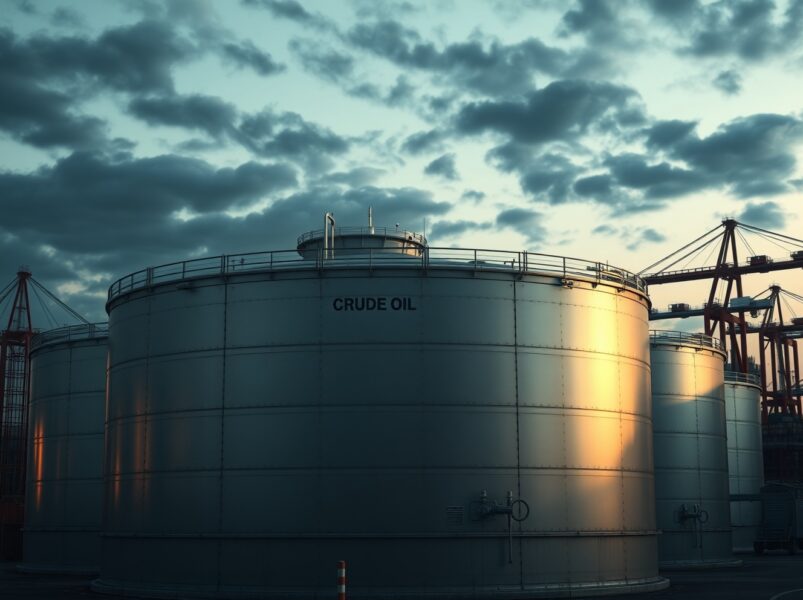
TEHRAN, Iran – March 2025 – Satellite data reveals Iran’s crude oil storage facilities have reached critical capacity levels, setting the stage for potentially devastating production cuts within just two weeks if the United States Navy implements a blockade on the country’s oil exports. According to exclusive Financial Times reporting, analysis of storage tank occupancy shows facilities are currently over 51% full, creating a narrow window before operational shutdowns become unavoidable. This development represents the most significant escalation in US-Iran energy tensions since sanctions were reimposed, threatening global oil market stability and regional economic security.
Iran Oil Production Faces Immediate Storage Crisis
Energy analysts confirm that Iran’s oil infrastructure operates on a delicate balance between production, storage, and export capacity. When storage tanks approach maximum occupancy, producers must either reduce extraction rates or face complete operational shutdowns. Satellite monitoring firms specializing in energy infrastructure have documented a steady increase in Iranian storage levels throughout early 2025. Consequently, industry experts now calculate that without export routes, Iran’s production facilities would reach their physical limits within 14-16 days. This timeline represents a critical vulnerability in Iran’s energy sector, particularly given the country’s dependence on oil revenue for approximately 40% of government income.
The storage capacity issue stems from several interconnected factors. First, Iran has significantly increased production since 2023, reaching approximately 3.4 million barrels per day. Second, existing sanctions have already constrained some export channels, creating accumulation in domestic storage. Third, logistical bottlenecks at key export terminals have slowed the movement of crude to international markets. These combined pressures have created what energy security analysts describe as a “perfect storm” of storage constraints that could trigger rapid production declines under blockade conditions.
US Navy Blockade Capabilities and Historical Precedents
The United States Navy maintains substantial capabilities to enforce maritime restrictions in the Strait of Hormuz and surrounding waters. Historical precedents, including the “Tanker War” of the 1980s, demonstrate how naval power can significantly disrupt regional oil exports. Modern surveillance technologies, including satellite tracking and drone monitoring, would enable the US to identify and intercept vessels attempting to transport Iranian crude. Furthermore, financial sanctions mechanisms would complement any physical blockade by deterring international buyers and shipping companies from engaging with Iranian oil.
Expert Analysis of Blockade Scenarios
Energy security specialists at the Middle East Institute outline three potential blockade scenarios with varying impacts on Iran’s oil sector. A complete naval blockade of all Iranian ports would trigger the fastest production declines, potentially within 10-12 days. A selective blockade focusing on key export terminals like Kharg Island might extend the timeline to 14-16 days. Finally, enhanced monitoring and interception of tankers without full port closures could create a gradual decline over 3-4 weeks. However, all scenarios converge on the same fundamental constraint: finite storage capacity that forces production adjustments when exports cease.
Regional security analysts note that Iran has developed some contingency measures, including expanded underground storage and increased refining capacity for domestic consumption. Nevertheless, these alternatives cannot absorb the volume of crude currently produced for export markets. Additionally, Iran’s strategic petroleum reserves, while substantial, serve primarily as emergency buffers rather than operational storage for ongoing production. Therefore, even utilizing these reserves would only marginally extend the timeline before production cuts become necessary.
Global Oil Market Implications and Price Volatility
Global energy markets face significant disruption risks from potential Iranian production declines. Iran currently supplies approximately 3% of global crude oil, with primary markets in China, Syria, and Venezuela. A sudden removal of this supply would create immediate price pressures, particularly for Asian refiners who have increased Iranian crude imports in recent years. Market analysts project that sustained Iranian production cuts could add $8-12 per barrel to global benchmark prices within the first month of implementation.
The timing of this potential crisis intersects with several other market factors. OPEC+ production policies, seasonal demand fluctuations, and strategic reserve releases by consuming nations would all influence the ultimate market impact. However, energy economists emphasize that Iranian supply disruptions would occur amid already tight global inventories, potentially amplifying price effects. Furthermore, geopolitical risk premiums would likely increase across Middle Eastern crude grades, affecting prices beyond the specific volume of Iranian oil removed from markets.
Comparative Storage Capacity Analysis
Iran’s storage limitations become particularly evident when compared to other major producers. The table below illustrates key differences in strategic petroleum reserve capacity relative to production levels:
| Country | Strategic Reserve Days | Commercial Storage Days | Total Buffer Capacity |
|---|---|---|---|
| Iran | 45-60 days | 10-14 days | 55-74 days |
| Saudi Arabia | 90-120 days | 20-30 days | 110-150 days |
| United States | >180 days | 30-45 days | 210-225 days |
| China | >150 days | 15-25 days | 165-175 days |
This comparative analysis reveals Iran’s relatively limited buffer against export disruptions. While strategic reserves provide some emergency capacity, the immediate constraint comes from commercial storage facilities that support ongoing production operations. These commercial tanks must maintain sufficient headroom to receive daily production, creating the two-week operational horizon identified in satellite analysis.
Regional Geopolitical Dynamics and Response Scenarios
The potential US Navy blockade threat emerges within a complex regional geopolitical context. Several key factors will influence how this situation develops:
- Iranian Response Options: Military, diplomatic, and economic countermeasures
- Regional Ally Positions: Reactions from China, Russia, and regional partners
- International Legal Frameworks: Maritime law interpretations and UN positions
- Energy Security Calculations: Consumer nation responses to potential supply disruptions
Security analysts identify multiple potential escalation pathways. Iran could attempt to test blockade enforcement through controlled challenges to naval interdiction. Alternatively, Tehran might leverage proxy forces to create diversions or retaliate against US interests regionally. Diplomatic initiatives through international organizations might seek to forestall or mitigate blockade implementation. Each pathway carries distinct risks and potential outcomes for regional stability and global energy markets.
Economic Impact on Iran’s Domestic Stability
Beyond immediate production concerns, sustained export restrictions would severely impact Iran’s economy and domestic stability. The Iranian government relies on oil revenue for essential imports, social programs, and military expenditures. Significant revenue declines could trigger:
- Currency depreciation and increased inflation
- Reduced capacity for essential goods imports
- Constraints on government services and subsidies
- Potential social unrest amid economic hardship
Previous sanction periods demonstrate how oil revenue reductions correlate with economic contraction in Iran. However, the country has developed some resilience through non-oil exports and regional trade relationships. The critical question becomes whether these alternative revenue sources can compensate for potentially complete loss of oil export income, particularly if implemented suddenly through naval blockade rather than gradual sanction escalation.
Technological Monitoring and Verification Challenges
Satellite monitoring technology plays a crucial role in assessing Iran’s storage situation and verifying compliance with any potential blockade. Several types of remote sensing contribute to this analysis:
- Synthetic Aperture Radar (SAR): Measures tank roof deflection to estimate fill levels
- Thermal Imaging: Detects temperature differences indicating fluid movement
- Visual Spectrum Analysis: Tracks vessel movements and port activity
- Automatic Identification System (AIS): Monitors ship transponders for routing patterns
These technologies enable near-real-time assessment of storage capacity utilization, providing the data behind the 51% occupancy figure reported by Financial Times. Energy analytics firms specializing in satellite monitoring have refined these techniques over decades, achieving accuracy rates above 90% for storage tank analysis. This technological capability creates unprecedented transparency in global energy flows, fundamentally changing how market participants and governments assess supply situations.
Conclusion
Iran oil production faces a critical juncture as storage capacity constraints create a narrow two-week window before forced reductions become unavoidable under potential US Navy blockade conditions. Satellite data confirming over 51% storage occupancy validates the urgency of this timeline, while historical precedents and current naval capabilities demonstrate the feasibility of export restrictions. Global energy markets must prepare for potential volatility, and regional stability faces significant tests as geopolitical tensions intersect with fundamental energy infrastructure limitations. The coming weeks will reveal whether diplomatic solutions can emerge before physical constraints force production decisions with far-reaching consequences for Iran’s economy and global oil supplies.
FAQs
Q1: How accurate is the two-week timeline for Iran’s production cuts?
The timeline derives from satellite analysis of storage capacity and production rates. Energy analysts consider it reliable based on current occupancy levels and historical operational patterns during previous export disruptions.
Q2: What specific storage facilities are approaching capacity?
Primary concerns focus on export terminal storage at Kharg Island, the world’s largest offshore crude terminal, along with facilities at Bandar Abbas and Sirri Island. These locations handle approximately 85% of Iran’s seaborne crude exports.
Q3: Could Iran circumvent a naval blockade using alternative methods?
While Iran might attempt pipeline exports, ship-to-ship transfers, or disguised shipments, these methods have limited capacity compared to normal export volumes. Previous sanction periods show such methods typically handle less than 20% of normal export quantities.
Q4: How would production cuts affect different Iranian oil fields?
Offshore fields with limited storage would likely shut down first, followed by older onshore fields with higher operating costs. Strategic fields with better infrastructure and political importance would likely maintain production longest using strategic reserves.
Q5: What immediate market reactions might occur if blockade rumors intensify?
Energy markets would likely see increased volatility, wider bid-ask spreads for Middle Eastern crude, increased freight rates for alternative routes, and potential strategic reserve release announcements from consuming nations.
This post Iran Oil Production Faces Critical Two-Week Countdown Under Looming US Navy Blockade Threat first appeared on BitcoinWorld.


You May Also Like

XRP flips green after a 63% wipeout as retail fear hits a 2-year extreme – now one Wall Street metric is spiking

UAE faces talent squeeze as war dents hiring