

Asia FX Faces Critical Energy Shock Risk from Strait of Hormuz Exposure – MUFG Warns
BitcoinWorld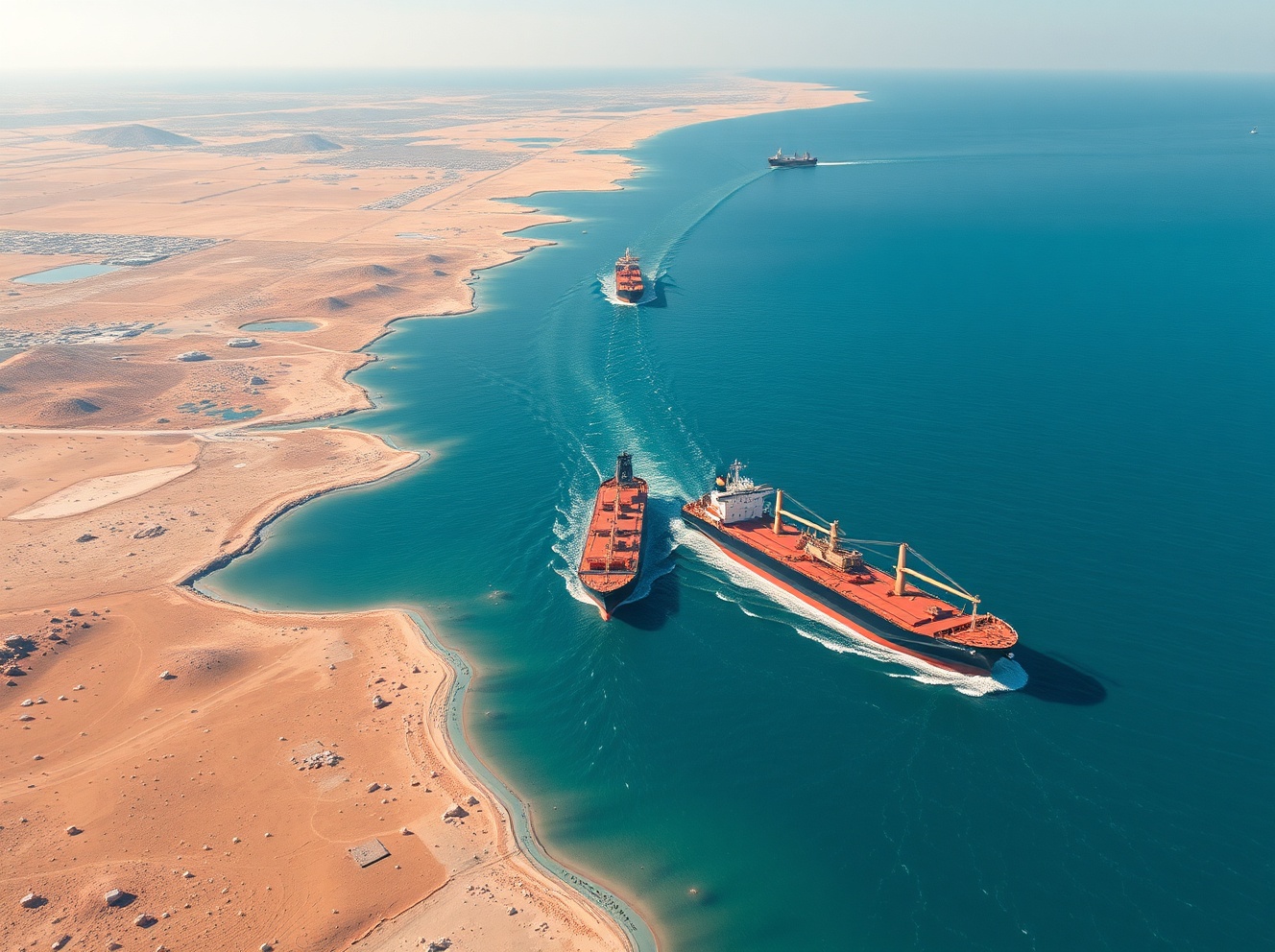
Asia FX Faces Critical Energy Shock Risk from Strait of Hormuz Exposure – MUFG Warns
Asian currencies face mounting vulnerability to potential energy supply disruptions through the Strait of Hormuz, according to recent analysis from Mitsubishi UFJ Financial Group. The critical shipping chokepoint, which handles approximately 21 million barrels of oil daily, represents a persistent threat to regional economic stability. MUFG researchers highlight how currency markets in energy-importing Asian economies remain exposed to sudden price spikes. Consequently, investors must monitor geopolitical developments closely throughout 2025.
Asia FX Vulnerability to Strait of Hormuz Disruptions
The Strait of Hormuz serves as the world’s most important oil transit corridor. Furthermore, about 30% of global seaborne traded oil passes through this narrow waterway. Asian economies, particularly those in Northeast and Southeast Asia, depend heavily on these energy imports. For instance, Japan imports nearly 80% of its oil from the Middle East. Similarly, South Korea and India maintain significant dependence on Hormuz-shipped crude.
MUFG’s analysis identifies specific transmission channels for currency impacts. First, sudden oil price increases immediately affect trade balances in importing nations. Second, inflationary pressures force central banks to reconsider monetary policy trajectories. Third, risk aversion triggers capital outflows from emerging Asian markets. Historical data shows clear correlation patterns during previous regional tensions.
Geopolitical Context and Historical Precedents
Regional tensions around the Strait of Hormuz have fluctuated for decades. Recent years witnessed multiple incidents affecting shipping security. For example, tanker attacks in 2019 temporarily boosted oil prices by 15%. Similarly, seizures of commercial vessels in 2023 highlighted persistent vulnerabilities. The geographical reality remains unchanged—the 21-mile wide channel between Iran and Oman creates natural bottlenecks.
Major Asian economies have developed strategic petroleum reserves as buffers. However, MUFG analysis suggests these reserves provide limited protection against sustained disruptions. Most Asian nations maintain 90-120 days of import coverage. Nevertheless, extended closures would exhaust these stockpiles rapidly. Currency markets typically price such risks ahead of actual supply interruptions.
MUFG’s Quantitative Risk Assessment Framework
MUFG economists employ sophisticated modeling to quantify currency exposures. Their framework incorporates multiple variables including:
- Energy import dependency ratios by country
- Current account sensitivity to oil price movements
- Inflation pass-through mechanisms in consumer prices
- Central bank policy reaction functions to supply shocks
- Capital flow volatility patterns during risk-off episodes
The analysis reveals tiered vulnerability across Asian currencies. High-risk currencies include the Indian rupee and Philippine peso. Medium-risk currencies encompass the Indonesian rupiah and Thai baht. Lower-risk currencies involve the Singapore dollar and Chinese yuan. This stratification helps investors allocate hedging resources effectively.
Economic Impacts and Transmission Mechanisms
Energy shock transmission operates through several interconnected channels. Initially, higher import bills worsen trade balances directly. Subsequently, manufacturing costs increase across energy-intensive industries. Then, consumer inflation accelerates as transportation and production costs rise. Finally, central banks may tighten monetary policy to combat inflation, potentially slowing economic growth.
The following table illustrates estimated impacts on selected Asian currencies from a 30% oil price increase:
| Currency | Trade Balance Impact (% GDP) | Inflation Impact (bps) | Estimated Depreciation |
|---|---|---|---|
| Indian Rupee (INR) | -1.8% | +180 | 8-12% |
| Philippine Peso (PHP) | -1.5% | +150 | 6-9% |
| Indonesian Rupiah (IDR) | -1.2% | +120 | 5-8% |
| Thai Baht (THB) | -0.9% | +90 | 4-7% |
| Singapore Dollar (SGD) | -0.4% | +40 | 2-4% |
These estimates derive from MUFG’s proprietary models incorporating historical relationships. Importantly, actual outcomes depend on shock duration and policy responses. Moreover, secondary effects through regional trade linkages amplify initial impacts.
Mitigation Strategies and Policy Responses
Asian governments and central banks maintain various tools to cushion energy shocks. First, strategic petroleum reserves provide immediate supply buffers. Second, currency swap arrangements with trading partners enhance liquidity access. Third, coordinated regional responses through ASEAN+3 mechanisms offer collective support. Fourth, diversification of energy sources reduces single-corridor dependence.
Recent developments show progress on multiple fronts. For example, India increased crude imports from Russia and the United States. Similarly, Japan accelerated renewable energy deployment. Meanwhile, China expanded pipeline imports from Central Asia. These measures gradually reduce Hormuz exposure but require years for meaningful impact.
Market Implications for 2025 Portfolio Allocation
Currency investors should incorporate Hormuz risk into 2025 allocation decisions. MUFG recommends several practical approaches. Initially, increase hedging ratios for high-exposure currencies during tension periods. Additionally, consider relative value positions between energy importers and exporters. Furthermore, monitor shipping insurance premiums as leading indicators. Finally, track diplomatic developments involving regional stakeholders.
The analysis suggests particular attention to several monitoring indicators. These include tanker tracking data through the strait, regional military deployments, diplomatic statements from involved nations, and oil futures term structure changes. Early warning signals often appear in these datasets before currency markets react fully.
Conclusion
Asia FX markets remain exposed to Strait of Hormuz energy shock risks throughout 2025. MUFG analysis highlights the transmission channels and vulnerability levels across regional currencies. While mitigation measures provide some protection, the geographical reality of this critical chokepoint persists. Consequently, investors must maintain vigilant monitoring and incorporate these risks into currency allocation frameworks. The potential for sudden disruptions requires prepared responses rather than reactive adjustments.
FAQs
Q1: Why is the Strait of Hormuz so important for Asian currencies?
The strait handles about 30% of globally seaborne oil trade, and Asian economies import most Middle Eastern oil through this channel. Supply disruptions immediately affect trade balances, inflation, and monetary policy in importing nations, thereby impacting currency values.
Q2: Which Asian currencies are most vulnerable to Hormuz disruptions?
According to MUFG analysis, the Indian rupee and Philippine peso show highest vulnerability due to significant energy import dependence and current account sensitivities. The Indonesian rupiah and Thai baht demonstrate medium exposure levels.
Q3: How do energy shocks typically affect currency markets?
Shocks transmit through multiple channels: worsening trade balances from higher import costs, inflationary pressures requiring monetary policy responses, and risk aversion triggering capital outflows from emerging markets—all contributing to currency depreciation.
Q4: What mitigation strategies are Asian governments employing?
Strategies include building strategic petroleum reserves, diversifying energy sources away from Middle Eastern supplies, developing regional energy security frameworks, and maintaining currency swap arrangements for liquidity during crises.
Q5: How can investors monitor Hormuz-related risks?
Key indicators include tanker traffic data through the strait, regional military activity reports, diplomatic developments among stakeholder nations, oil futures market term structures, and shipping insurance premium changes for Middle Eastern routes.
This post Asia FX Faces Critical Energy Shock Risk from Strait of Hormuz Exposure – MUFG Warns first appeared on BitcoinWorld.
You May Also Like

Coinbase Joins Ethereum Foundation to Back Open Intents Framework

Trump Meme Coin Down 96% From Peak as President’s Approval Ratings Sink
