Trump Naval Blockade on Iran Remains Until Nuclear Deal Reached, Administration Confirms
BitcoinWorld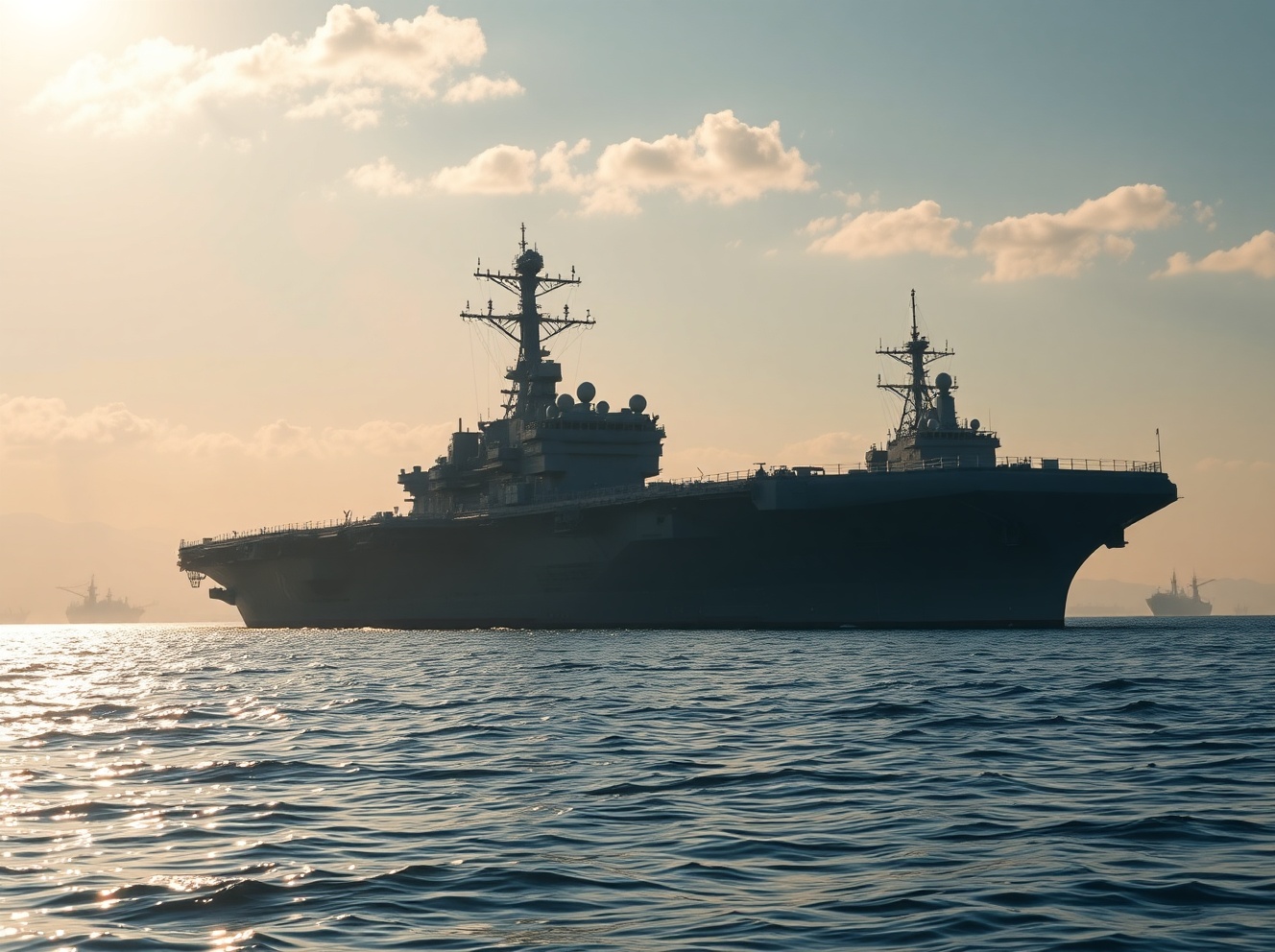
Trump Naval Blockade on Iran Remains Until Nuclear Deal Reached, Administration Confirms
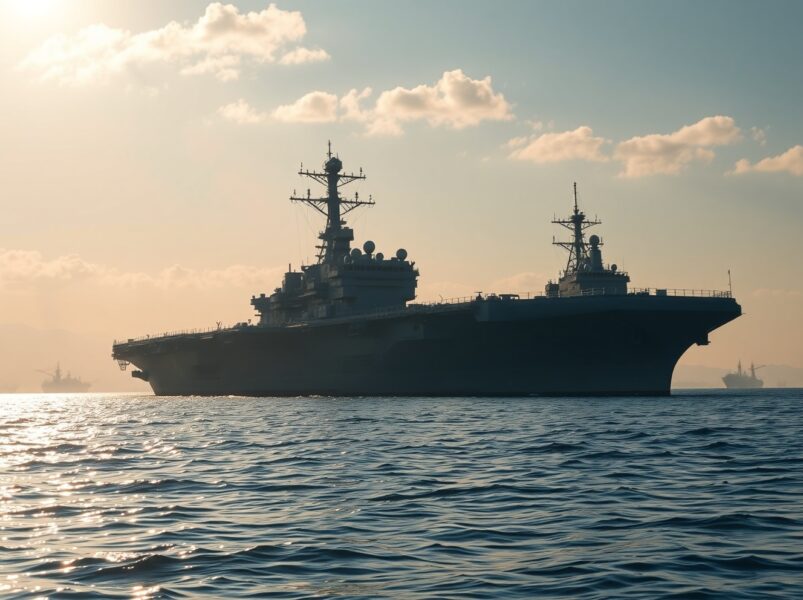
President Donald Trump has made a decisive statement regarding the ongoing naval blockade on Iran, asserting that the maritime restriction will remain in full effect unless a comprehensive nuclear deal is finalized. This announcement, first reported by Solid Intel, signals a hardening of the US position in the ongoing Middle East tensions. The blockade, a key tool of economic and military pressure, directly impacts Iran’s ability to export oil and import essential goods.
Trump Naval Blockade on Iran: A Non-Negotiable Stance
The Trump administration’s position is clear: the naval blockade on Iran will not be lifted until Tehran agrees to a new agreement that explicitly addresses its nuclear program. This stance escalates the diplomatic standoff, as previous negotiations had focused on broader sanctions relief. The blockade, enforced by the US Navy’s Fifth Fleet, restricts maritime traffic in the Persian Gulf and the Strait of Hormuz. Consequently, Iran faces severe constraints on its primary revenue source—oil exports.
According to experts, this approach represents a shift from the previous administration’s strategy. Instead of offering incremental sanctions relief, the current policy demands a complete capitulation on nuclear ambitions before any economic concessions. This creates a high-stakes scenario for both nations. Furthermore, the international community watches closely, as any miscalculation could lead to a broader conflict.
Background: The Evolution of US-Iran Tensions
Relations between the United States and Iran have deteriorated sharply since the US withdrawal from the Joint Comprehensive Plan of Action (JCPOA) in 2018. Following that withdrawal, the Trump administration reimposed crippling economic sanctions. The naval blockade emerged as a further measure to prevent Iranian oil smuggling. Now, the president links the blockade’s removal directly to nuclear negotiations.
This timeline highlights key events:
- 2015: JCPOA signed between Iran and world powers.
- 2018: US withdraws from the deal, reimposes sanctions.
- 2020: US kills Iranian General Qasem Soleimani, tensions peak.
- 2024: Solid Intel reports Trump’s new blockade stance.
This sequence of events demonstrates a pattern of escalating pressure. Each step reduces Iran’s economic breathing room. Moreover, the blockade prevents Iran from using maritime routes to circumvent sanctions.
Impact on Iran’s Economy and Global Oil Markets
The naval blockade on Iran has immediate and profound economic consequences. Iran’s oil exports, which once averaged 2.5 million barrels per day, have plummeted. The blockade effectively closes the Strait of Hormuz to Iranian tankers. As a result, global oil markets face supply uncertainty. Analysts predict that sustained pressure could drive crude prices higher, affecting consumers worldwide.
Key economic impacts include:
- Oil revenue loss: Iran loses billions annually.
- Inflation: Rial currency devaluation accelerates.
- Humanitarian goods: Imports of medicine and food face delays.
These factors create internal pressure on the Iranian government. Consequently, the regime may face increased public discontent. However, hardliners may use the blockade to rally nationalist sentiment.
International Reactions and Diplomatic Fallout
Global reactions to Trump’s naval blockade on Iran have been mixed. European allies, including France and Germany, have expressed concern. They argue that the blockade undermines diplomatic channels. Conversely, Israel and Saudi Arabia have privately supported the tough stance. Russia and China have condemned the move, calling it a violation of international maritime law.
This division complicates any potential negotiations. Without a unified international front, Iran may exploit differences among world powers. Furthermore, the blockade tests the limits of US naval power in a region where multiple nations have strategic interests. The United Nations has called for restraint, but no binding resolution has been passed.
Expert Analysis: What This Means for Nuclear Negotiations
Geopolitical analysts view this announcement as a deliberate negotiating tactic. By linking the naval blockade on Iran to nuclear talks, the US creates a binary choice for Tehran: accept a deal or face continued economic strangulation. This approach, known as ‘maximum pressure 2.0,’ aims to force concessions that the previous JCPOA did not secure.
Dr. Emily Carter, a Middle East security expert, notes: ‘This strategy removes ambiguity. Iran knows exactly what it must do to relieve pressure. However, it also removes any face-saving exit for Iranian leaders.’ The risk is that Iran may double down on its nuclear program as a bargaining chip. Indeed, recent IAEA reports show increased uranium enrichment levels.
Potential Scenarios and Outcomes
Several scenarios could unfold from this standoff:
- Scenario A: Iran agrees to new nuclear restrictions, blockade lifts.
- Scenario B: Talks collapse, blockade continues indefinitely.
- Scenario C: Iran attempts to break the blockade militarily, risking conflict.
Each outcome carries significant risks. Scenario A would require Iran to accept limits on enrichment, which hardliners oppose. Scenario B could lead to a nuclear-armed Iran. Scenario C could trigger a war. The coming weeks will be critical.
Conclusion
The Trump administration’s decision to maintain the naval blockade on Iran until a nuclear deal is reached marks a pivotal moment in US-Iran relations. This hardline stance reshapes the diplomatic landscape, forcing a direct link between maritime security and nuclear non-proliferation. As the world watches, the outcome will determine not only Iran’s economic future but also the stability of the entire Middle East region. The blockade remains a powerful lever, but its long-term effectiveness depends on sustained international pressure and Iran’s willingness to negotiate.
FAQs
Q1: What is the purpose of the naval blockade on Iran?
A1: The blockade aims to prevent Iran from exporting oil and importing goods, pressuring the regime to negotiate over its nuclear program.
Q2: How does the blockade affect global oil prices?
A2: By restricting Iranian oil exports, the blockade reduces global supply, which can lead to higher crude oil prices and increased fuel costs.
Q3: Has the blockade been enforced by other countries?
A3: Primarily, the US Navy enforces the blockade. Some allies provide logistical support, but most European nations have not directly participated.
Q4: What is Iran’s response to the blockade?
A4: Iran has condemned the blockade as illegal and has threatened to disrupt shipping in the Strait of Hormuz in retaliation.
Q5: Could the blockade lead to a military conflict?
A5: Yes, there is a risk of escalation if Iran attempts to break the blockade or if a naval incident occurs, potentially triggering a broader conflict.
This post Trump Naval Blockade on Iran Remains Until Nuclear Deal Reached, Administration Confirms first appeared on BitcoinWorld.


You May Also Like

SPARC AI Releases Updated Investor Presentation Outlining Growth Strategy for GPS-Denied Navigation Technology

Zaldy Co detained, but Czech and French envoys could offer no other info to Marcos