Trump’s Stark Warning: Iran Faces Critical Geopolitical Crossroads with Limited Options
BitcoinWorld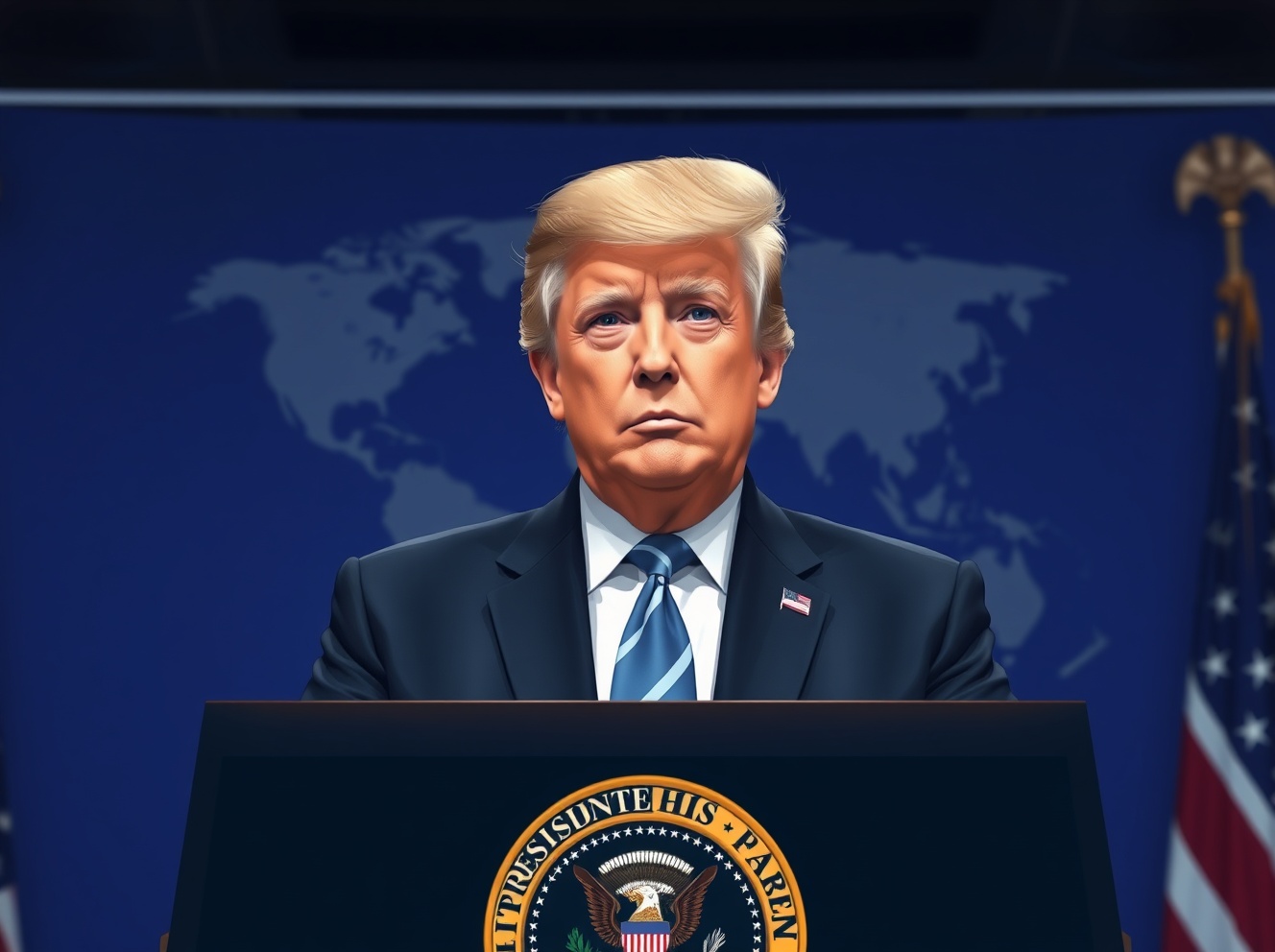
Trump’s Stark Warning: Iran Faces Critical Geopolitical Crossroads with Limited Options
WASHINGTON, D.C. – March 2025. Former President Donald Trump’s recent declaration that “Iran has very few shots left” has reignited global scrutiny of the Islamic Republic’s strategic position. This statement, made during a policy address, underscores a pivotal moment in Middle Eastern geopolitics. Consequently, analysts are examining Tehran’s narrowing diplomatic and economic pathways. The warning carries significant weight given ongoing nuclear negotiations and regional proxy conflicts. Therefore, understanding the context behind this assertion requires a multi-faceted analysis.
Trump’s Iran Warning and Its Strategic Context
President Trump’s characterization of Iran’s limited options refers to a confluence of international pressures. Primarily, these pressures include sustained economic sanctions and diplomatic isolation. The Joint Comprehensive Plan of Action (JCPOA), commonly known as the Iran nuclear deal, remains in a state of uncertainty. Moreover, Iran’s regional activities continue to draw condemnation from Western and Arab states. For instance, its support for groups like Hezbollah and Houthi rebels complicates détente. The International Atomic Energy Agency (IAEA) regularly reports on Iran’s advancing uranium enrichment capabilities. These reports consistently highlight tensions between declared peaceful purposes and military potential.
Furthermore, the domestic political landscape in both the United States and Iran influences this dynamic. Internal protests and economic hardship within Iran pressure the ruling establishment. Simultaneously, U.S. foreign policy maintains a consistent focus on non-proliferation. A comparison of key pressure points illustrates the constraints on Iran:
| Pressure Point | Current Status (2025) | Impact on Iran’s Options |
|---|---|---|
| Economic Sanctions | Core U.S. sanctions remain enforced | Restricts oil revenue and access to global financial systems |
| Nuclear Diplomacy | JCPOA talks are stalled; no new framework agreed | Limits pathways to sanctions relief and international legitimacy |
| Regional Alliances | Strengthening ties between Israel and Arab states | Increases strategic isolation and counters Iranian influence |
| Domestic Unrest | Periodic protests over economic conditions and social policies | Diverts governmental resources and challenges stability |
Analyzing Iran’s Dwindling Strategic Leverage
Experts point to several factors that have systematically reduced Iran’s room for maneuver. First, the maximum pressure campaign initiated during the Trump administration established a lasting precedent. Successive U.S. administrations have maintained significant portions of this sanctions architecture. Second, the normalization of relations between Israel and several Arab nations through the Abraham Accords created a new regional axis. This axis often presents a united front against Iranian expansionism. Third, Iran’s primary economic partner, China, balances its energy purchases with a desire for regional stability. Beijing does not offer Tehran unconditional support.
Dr. Anahita Nassiri, a senior fellow at the Center for Strategic and International Studies, provides critical insight. “The phrase ‘few shots left’ metaphorically describes a depletion of credible retaliatory or bargaining tools,” Nassiri explains. “Iran’s traditional leverages—its nuclear program, missile arsenal, and proxy networks—now provoke more unified countermeasures than concessions. The cost of deploying these tools has risen dramatically.” This expert analysis highlights a shift in the risk-reward calculation for Iranian policymakers.
The Nuclear Dimension and Global Non-Proliferation
The core of international concern remains Iran’s nuclear program. The IAEA’s most recent verification report indicates Iran possesses a stockpile of highly enriched uranium. This stockpile exceeds the limits set by the original 2015 nuclear deal by a considerable margin. However, weaponization requires several additional, complex steps. The international community, including European signatories to the JCPOA, expresses growing frustration. Diplomatic channels remain open but have yielded no breakthrough. Therefore, the window for a negotiated return to compliance appears to be narrowing. This situation creates a volatile standoff with inherent risks of miscalculation.
Regional Security Implications and Proxy Dynamics
Iran’s regional strategy has long relied on a network of allied militias and political groups. This network extends across Lebanon, Syria, Iraq, and Yemen. These groups provide Tehran with strategic depth and a means to project power. However, this strategy also incurs substantial costs and attracts direct military responses. For example, Israeli airstrikes frequently target Iranian assets in Syria. Similarly, Houthi attacks on shipping in the Red Sea have triggered multinational naval patrols. These responses effectively contain and degrade Iranian proxy capabilities over time.
Key elements of Iran’s regional posture now face increased pressure:
- Military Expenditure: Maintaining proxy networks drains financial resources needed domestically.
- Attrition: Continuous losses of personnel and material in covert conflicts weaken long-term capacity.
- Diplomatic Blowback: Regional actions fuel the consolidation of an anti-Iran coalition among Arab states.
Consequently, the utility of these “shots” as bargaining chips may be diminishing. Regional adversaries have developed more effective counter-strategies. They have also improved intelligence sharing and military coordination.
Economic Constraints and Domestic Challenges
Internally, Iran grapples with severe inflation, currency depreciation, and youth unemployment. Sanctions severely restrict the government’s ability to address these issues. The oil sector, a primary revenue source, operates well below its potential due to export restrictions. While Iran develops workarounds, these are inefficient and costly. Popular discontent periodically erupts into protests, which the government manages through a combination of concession and suppression. This internal pressure limits the regime’s appetite for external confrontations that could worsen economic conditions. The leadership must constantly balance external defiance with internal stability.
Conclusion
Former President Trump’s warning that “Iran has very few shots left” encapsulates a critical juncture in Middle Eastern security. It reflects an assessment that Iran’s conventional leverages are becoming less effective and more costly. The convergence of sustained sanctions, regional opposition, and domestic strife narrows Tehran’s strategic avenues. However, a cornered state can still be unpredictable. The international community must navigate this delicate situation with a focus on verifiable diplomacy and firm deterrence. The goal remains a peaceful resolution that ensures regional stability and prevents nuclear proliferation. The coming months will test whether diplomatic channels can offer Iran a face-saving path forward or if confrontation becomes inevitable.
FAQs
Q1: What did President Trump mean by “Iran has very few shots left”?
He suggested Iran’s options for retaliating against international pressure or advancing its strategic goals are becoming severely limited due to economic sanctions, diplomatic isolation, and regional counter-measures.
Q2: What is the current status of the Iran nuclear deal (JCPOA)?
As of early 2025, the JCPOA remains in crisis. Formal talks to revive the agreement are stalled. Iran continues to enrich uranium beyond the deal’s limits, while the U.S. and European parties maintain key sanctions.
Q3: How have regional relations affected Iran’s position?
The normalization of relations between Israel and several Arab nations (the Abraham Accords) has created a more unified bloc opposed to Iranian regional influence, increasing Tehran’s strategic isolation.
Q4: What are Iran’s main sources of leverage?
Iran’s primary leverages have been its nuclear program progress, its extensive ballistic missile arsenal, and its network of allied proxy forces across the Middle East.
Q5: What are the risks of Iran having “few shots left”?
The primary risk is miscalculation. A regime that perceives its options as vanishing may resort to more aggressive or unpredictable actions, potentially triggering a broader regional conflict.
This post Trump’s Stark Warning: Iran Faces Critical Geopolitical Crossroads with Limited Options first appeared on BitcoinWorld.
You May Also Like

Polygon Tops RWA Rankings With $1.1B in Tokenized Assets

US Dollar pulls back as markets assess Iran; Fed, ECB ahead