Trump’s Desperate Stance Exposed: How Iran Gains Critical Upper Hand in High-Stakes Nuclear Talks
BitcoinWorld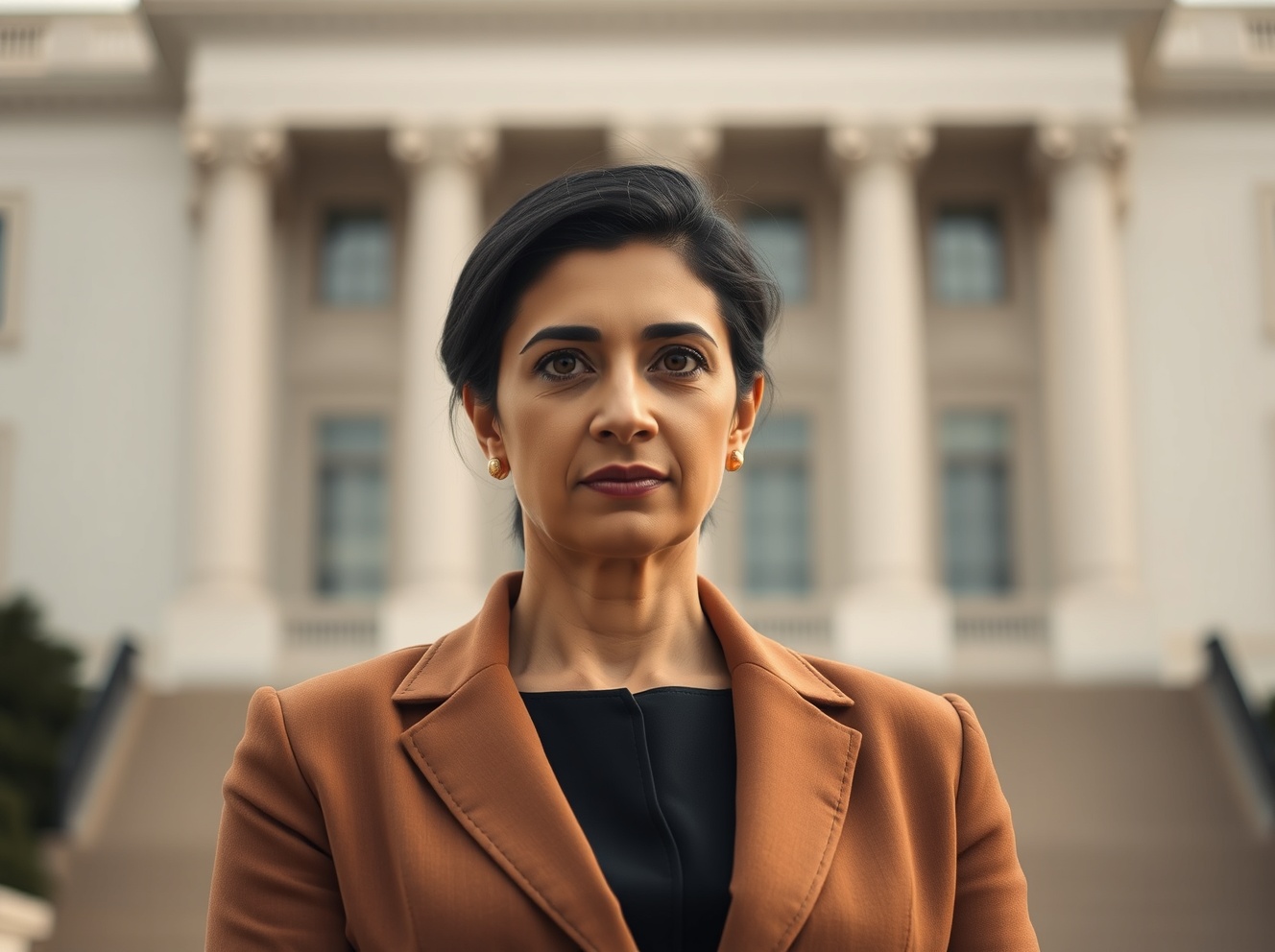
Trump’s Desperate Stance Exposed: How Iran Gains Critical Upper Hand in High-Stakes Nuclear Talks
WASHINGTON, D.C. – April 2025. A former senior Pentagon advisor has delivered a stark analysis suggesting Iran now holds significant leverage in nuclear negotiations with the United States. According to Jasmine El-Gamal, President Donald Trump’s aggressive yet inconsistent rhetoric signals a deeper desperation for a deal. Consequently, Tehran believes it can secure more favorable terms by continuing to impose costs. This assessment follows Trump’s recent threat of severe military escalation.
Trump’s Desperate Stance Exposed in Iran Negotiations
Jasmine El-Gamal, who served as a Middle East advisor to the U.S. Department of Defense, published her analysis through CNN. She argues the Iranian regime interprets Trump’s statements as a sign of his urgent need for a diplomatic resolution. Furthermore, his public declarations often contradict his administration’s private diplomatic overtures. This inconsistency creates a perception of weakness that Tehran actively exploits. El-Gamal’s perspective carries weight due to her direct experience in defense policy circles.
Her comments specifically address President Trump’s statement on April 1. During a press briefing, he warned of potentially bombing Iran “back to the Stone Age” if provocations continued. However, this threat emerged alongside confirmed back-channel communications seeking renewed dialogue. This dual-track approach confuses allies and adversaries alike. It also undermines coherent strategic messaging from the White House.
Iran’s Calculated Strategy for Maximum Leverage
El-Gamal’s analysis details how Iran capitalizes on perceived American desperation. The regime employs a multi-faceted strategy to increase pressure. Primarily, it continues to advance its nuclear program, inching closer to weapons-grade enrichment. Simultaneously, it supports proxy forces across the Middle East. These actions impose direct and indirect costs on U.S. interests and regional allies.
- Nuclear Brinkmanship: Iran consistently expands uranium enrichment beyond JCPOA limits, creating time-sensitive pressure for Washington.
- Regional Proxy Campaigns: Attacks by Iran-backed militias on U.S. forces and Gulf allies raise the stakes and potential for broader conflict.
- Energy Market Manipulation: Threats to Persian Gulf shipping lanes can trigger volatility in global oil prices, affecting the world economy.
This strategy forces the U.S. into a reactive posture. Tehran believes that by sustaining these pressures, Washington will eventually offer more concessions. Historical context supports this view. Past negotiations saw increased Iranian leverage following periods of heightened tension.
Expert Analysis of Diplomatic Signals
El-Gamal’s expertise stems from her role at the Pentagon, where she focused on political-military affairs in the Middle East. She explains that diplomatic signaling is a critical component of statecraft. Mixed signals, however, can be disastrous. When a president publicly threatens war while privately seeking talks, it reveals a lack of strategic patience. Adversaries like Iran are adept at identifying and exploiting such vulnerabilities.
Other regional analysts echo this sentiment. They note that Trump’s “maximum pressure” campaign, initiated years prior, failed to bring Iran to its knees. Instead, it hardened Tehran’s position. The current situation suggests a desire for an exit ramp, which Iran perceives clearly. This dynamic shifts the negotiating power balance. The table below outlines the contrasting postures.
| U.S. Position (Perceived) | Iranian Position (Calculated) |
|---|---|
| Desperate for a deal before election cycle | Willing to endure sanctions for long-term gain |
| Inconsistent messaging between rhetoric and diplomacy | Consistent escalation of nuclear and proxy activities |
| Pressure from global energy market instability | Leverage from controlling Strait of Hormuz chokepoint |
| Divisions with European allies on approach | Strengthened economic ties with Russia and China |
The High Cost of Inconsistent Foreign Policy
The immediate impact of this perceived desperation extends beyond the negotiating table. Gulf Cooperation Council (GCC) allies, particularly Saudi Arabia and the United Arab Emirates, express growing anxiety. They rely on unambiguous American security guarantees. Mixed signals from Washington force them to reconsider their own diplomatic and security options. Some are already engaging in direct dialogue with Tehran.
Moreover, global energy markets remain on edge. Approximately 20% of the world’s oil passes through the Strait of Hormuz. Any serious conflict would cause immediate price shocks. This economic reality places a timer on diplomatic efforts. Iran understands this pressure point intimately. It uses the threat to maritime security as a non-kinetic bargaining chip.
Within the U.S. foreign policy establishment, El-Gamal’s analysis resonates with a broader concern. A bipartisan group of former officials warns that strategy requires clarity. Public bellicosity coupled with private outreach erodes credibility. It also emboldens hardliners in Tehran who argue that resistance pays dividends. This cycle makes a sustainable agreement increasingly difficult to achieve.
Historical Precedents and Future Trajectories
This is not the first time perceptions of desperation have shaped U.S.-Iran talks. During the Obama administration’s push for the JCPOA, critics argued Tehran sensed a U.S. president overly eager for a legacy deal. The current situation presents parallels but within a more volatile geopolitical landscape. The war in Ukraine and great power competition add layers of complexity.
Looking ahead, the path to any agreement remains fraught. El-Gamal suggests that restoring consistent, disciplined messaging is the first step. The U.S. must reconcile its public posture with its private goals. Otherwise, Iran will continue to escalate, believing time is on its side. The ultimate cost could be a renewed regional war or an unconstrained Iranian nuclear program. Both outcomes would have devastating global consequences.
Conclusion
Jasmine El-Gamal’s expert analysis highlights a critical vulnerability in U.S. foreign policy toward Iran. President Trump’s perceived desperation for a deal, signaled through inconsistent rhetoric, grants Tehran a powerful upper hand in negotiations. Iran’s strategy of imposing costs through nuclear advances and proxy warfare exploits this perceived weakness. Consequently, the path to a stable diplomatic resolution requires strategic clarity and patience. The stakes for global security and energy markets could not be higher as these high-stakes Trump Iran negotiations continue.
FAQs
Q1: Who is Jasmine El-Gamal?
Jasmine El-Gamal is a former senior advisor for Middle East policy at the U.S. Department of Defense. She provided strategic analysis on political-military affairs in the region, giving her insights into U.S.-Iran relations significant authority.
Q2: What did President Trump say about Iran?
On April 1, President Trump threatened to bomb Iran “back to the Stone Age” if hostilities continued. This statement contrasted with ongoing, discreet diplomatic efforts to restart nuclear talks.
Q3: Why does Iran believe it has the upper hand?
According to the analysis, Iran interprets Trump’s mix of aggressive threats and private outreach as desperation for a deal. This perception encourages Tehran to escalate pressure, believing it can extract more concessions.
Q4: How does Iran impose costs on the U.S. and its allies?
Iran employs a three-pronged strategy: advancing its nuclear program, directing proxy militia attacks against U.S. and allied interests, and threatening the security of global oil shipping routes through the Strait of Hormuz.
Q5: What are the global implications of this stalemate?
The stalemate risks regional war, triggers volatility in global energy markets, and weakens the non-proliferation regime. It also strains U.S. alliances with Gulf states and European partners who seek predictable policy.
This post Trump’s Desperate Stance Exposed: How Iran Gains Critical Upper Hand in High-Stakes Nuclear Talks first appeared on BitcoinWorld.


You May Also Like
Is Trump Manipulating the Crypto Market?

StakeStone (STO) Rockets 125%: What $981M Trading Volume Reveals