

Lenovo tops as global PC shipments grew by 9.6% to 76.4 million units in Q4’25
- Lenovo leads with 19.3 million units of PC shipments in Q4’25
- Over 76 million units of shipments in Q4’25
- Holiday demands contributed to the surge in shipments
- The entire 2025 saw 284.7 million units, 8.1% more than 2024
- Global PC price expected to rise in 2026 due to RAM and chip shortages
Technology company Lenovo leads with 19.3 million units as global PC shipments grew 9.6% year-over-year in the fourth quarter of 2025, reaching 76.4 million units. This is according to a report by the International Data Corporation (IDC).
The report explained that Microsoft’s end of support for Windows 10 contributed to the surge in PC shipments. However, IDC pointed out that manufacturers have also been increasing their inventory in response to potential tariffs and the global memory shortage.
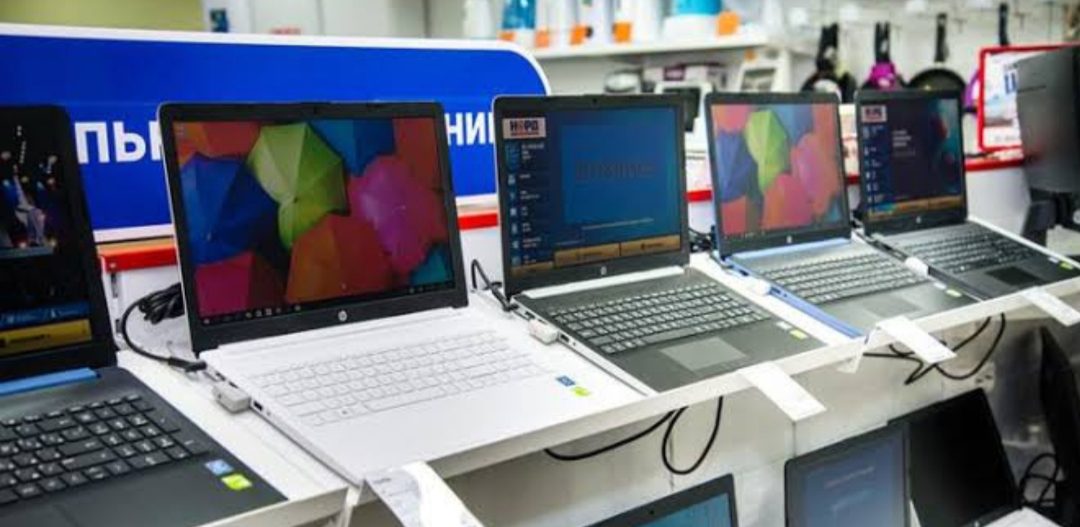
In addition, IDC further noted that while the surge in demand was primarily driven by the holiday season, the projected memory shortages by 2026 led buyers and brands to secure inventory.
“Beyond the obvious pressure on prices of systems, already announced by certain manufacturers, we might also see PC memory specifications be lowered on average to preserve memory inventory on hand,” says Jean Philippe Bouchard, research vice president at IDC.
Lenovo leads in Q4 2025 and the entire year
Chinese-based tech company Lenovo leads the chart with 19.3 million units of PC shipments during the quarter, a 14.4% increase from 16.9 million units in Q4 2024. U.S.-based HP Inc followed with 15.4 million units, signalling a 12.1% YoY increase, while Dell Technologies saw 11.7 million units during the quarter.
Apple and ASUS are in the fourth and fifth spots with 7.1 million units and 5.4 million units of PC shipments, respectively, with both seeing a YoY surge of 0.2% and 10.9%.
| Top 5 Companies, Worldwide Traditional PC Shipments, Market Share, and Year-Over-Year Growth, Q4 2025 (Preliminary results, shipments are in millions of units) | |||||
| Company | 4Q25 Shipments | 4Q25 Market Share | 4Q24 Shipments | 4Q24 Market Share | 4Q25/4Q24 Growth |
| 1. Lenovo | 19.3 | 25.3% | 16.9 | 24.2% | 14.4% |
| 2. HP Inc | 15.4 | 20.1% | 13.7 | 19.7% | 12.1% |
| 3. Dell Technologies | 11.7 | 15.3% | 9.9 | 14.2% | 18.2% |
| 4. Apple | 7.1 | 9.3% | 7.1 | 10.2% | 0.2% |
| 5. ASUS | 5.4 | 7.1% | 4.9 | 7.0% | 10.9% |
| Others | 17.4 | 22.8% | 17.2 | 24.7% | 1.5% |
| Total | 76.4 | 100.0% | 69.7 | 100.0% | 9.6% |
| Source: IDC Quarterly Personal Computing Device Tracker, January 12, 2026 | |||||
In terms of global market share in Q4 2025, Lenovo held the highest at 25.3%, HP Inc. with 20.1%, and Dell Technologies with 15.3%. Apple and ASUS saw market share of 9.3% and 7.1%, respectively, while other manufacturers held 17.4%.
For the entire 2025 chart, Lenovo leads with 70.8 million units while HP Inc follows with 57.5 million units. Dell saw 41.1 million units of shipments in 2025. while Apple and ASUS shipped 25.6 million units and 20.6 million units, respectively, during the year.
Overall, 2025 recorded 284.7 million units of PC shipments. This represents an 8.1% YoY increase from the 263.3 million units recorded in 2024.
| Top 5 Companies, Worldwide Traditional PC Shipments, Market Share, and Year-Over-Year Growth, 2025 vs. 2024 (Preliminary results, shipments are in millions of units) | |||||
| Company | 2025 Shipments | 2025 Market Share | 2024 Shipments | 2024 Market Share | 2025/2024 Growth |
| 1. Lenovo | 70.8 | 24.9% | 61.8 | 23.5% | 14.5% |
| 2. HP Inc. | 57.5 | 20.2% | 53.0 | 20.1% | 8.4% |
| 3. Dell Technologies | 41.1 | 14.4% | 39.1 | 14.8% | 5.2% |
| 4. Apple | 25.6 | 9.0% | 23.0 | 8.7% | 11.1% |
| 5. Asus | 20.5 | 7.2% | 18.0 | 6.8% | 13.4% |
| Others | 69.3 | 24.3% | 68.3 | 25.9% | 1.4% |
| Total | 284.7 | 100.0% | 263.3 | 100.0% | 8.1% |
| Source: IDC Quarterly Personal Computing Device Tracker, January 12, 2026 | |||||
Also Read: Nigeria’s smartphone shipment grew by 29% in Q3 2025 driven by naira stability.
PC prices will rise in 2026
In its outlook for 2026, IDC has warned that the year is shaping up to “be extremely volatile.”
According to the company, selling prices of PCs will rise in 2026 as PC makers are shifting priority to midrange and premium systems to offset the higher costs of memory.
“IDC expects that the PC market will be far different in 12 months, given how quickly the memory situation is evolving.” It added by saying “If you’re thinking about buying a new PC, it might be better to make the purchase sooner rather than later this year.”
In recent months, RAM and NAND/SSD prices have surged due to shortages created by AI data centre demand. PC makers like Lenovo and HP have been increasing their memory inventory.
However, IDC feared that those stockpiles would likely run out in a few months’ time and lead to increased prices and potentially a PC configuration change.
 A Chip
While total unit shipments are expected to witness a slight shift, overall market value is projected to increase. This is attributed to how component suppliers, PC manufacturers, and channel partners will adjust pricing to ensure they capture revenue flows.
“Memory shortages are affecting the entire industry, and the impact will likely reshape market dynamics over the next two years. The severity of the shortage raises the risk that smaller brands may not survive, and consumers, particularly DIY enthusiasts, may delay purchases or shift their spending to other devices or experiences,” said Jitesh Ubrani, research manager with IDC’s Worldwide Mobile Device Trackers.
The post Lenovo tops as global PC shipments grew by 9.6% to 76.4 million units in Q4’25 first appeared on Technext.
You May Also Like

FCA komt in 2026 met aangepaste cryptoregels voor Britse markt

Crypto Market Cap Edges Up 2% as Bitcoin Approaches $118K After Fed Rate Trim
