By David Unyime Nkanta Compiled by: TechFlow The Pokémon trading card game is extremely popular around the world, especially in Japan. These cards are very valuable, especially the rare ones. (Image source: Twitter / FADA Pack Magic @FadaPackMagic) Pokémon trading cards have gone from amusement park items to one of the world's hottest alternative investments. According to data from analytics firm Card Ladder, the Pokémon card market has grown 3,821% in value since 2004, far outpacing the S&P 500's 483% increase and Meta Platforms' 1,844% growth. From hobby to high-yield asset Pokémon trading cards, launched by Nintendo in 1996, have become a popular investment, traded across platforms including eBay, TCGplayer, and international expos. The market has seen explosive growth during the pandemic, as stimulus policies and lockdowns have driven collectors toward alternative assets. For some, the investment has yielded life-changing returns. Lucas Shaw, a 27-year-old account manager in Ohio, said the profits from selling the cards helped him pay for his wedding rings and celebrations. Similarly, Justin Wilson, a 32-year-old advertising manager in Oklahoma City, estimates the total value of his collection of 500 cards and 100 sealed items at about $100,000. He considers Pokémon cards part of his investment portfolio, alongside his Roth IRA and securities accounts. The appeal of Pokémon cards lies not only in financial gain but also in their emotional resonance. "You have to collect them all," Wilson said, referencing the series's classic slogan. For many, the cards represent both childhood nostalgia and speculative opportunity. Where does the value of rare Pokémon cards come from? A classic Poké Ball toy with matching Pokémon trading cards. Zapdos, Ninetales, and a trainer card are clearly visible. Image credit: Thimo Pedersen/Unsplash Unlike stocks, Pokémon cards don't generate dividends; their value depends on their rarity, condition, and cultural significance. Cards graded as perfect PSA 10 by the Professional Sports Authenticator (PSA) often fetch exorbitant prices. The most dramatic example occurred in 2022, when influencer Logan Paul purchased a near-perfect "Pikachu Illustrator" card for $5.3 million, setting a Guinness World Record for the most expensive Pokémon card ever sold privately. This event further ignited market interest and highlighted the speculative potential of high-level cards. Risks of the Pokémon Card Market Financial advisors warn against considering collectibles as the core of a portfolio. Card prices are extremely volatile, influenced by hype, media coverage, and collector sentiment. Counterfeit cards also remain a potential threat, with scams frequently occurring. Image source: Flickr/c0rnnibblets Still, the resilience of the Pokémon brand provides some stability to the market. Pokémon spans video games, movies, and merchandise, and unlike sports trading cards, the characters are immune to scandals, making them a safer investment for some collectors. The Future of Collectibles Investing The rapid rise of Pokémon cards reflects a broader shift in people's perception of value. As digital assets like Bitcoin face regulatory scrutiny and tech stocks undergo a market correction, tangible collectibles offer a nostalgic and potentially profitable haven. While the sustainability of its value remains uncertain, the 3,821% growth over the past 20 years has established Pokémon trading cards as the most vivid example of how a childhood hobby can transform into a multi-million dollar investment.By David Unyime Nkanta Compiled by: TechFlow The Pokémon trading card game is extremely popular around the world, especially in Japan. These cards are very valuable, especially the rare ones. (Image source: Twitter / FADA Pack Magic @FadaPackMagic) Pokémon trading cards have gone from amusement park items to one of the world's hottest alternative investments. According to data from analytics firm Card Ladder, the Pokémon card market has grown 3,821% in value since 2004, far outpacing the S&P 500's 483% increase and Meta Platforms' 1,844% growth. From hobby to high-yield asset Pokémon trading cards, launched by Nintendo in 1996, have become a popular investment, traded across platforms including eBay, TCGplayer, and international expos. The market has seen explosive growth during the pandemic, as stimulus policies and lockdowns have driven collectors toward alternative assets. For some, the investment has yielded life-changing returns. Lucas Shaw, a 27-year-old account manager in Ohio, said the profits from selling the cards helped him pay for his wedding rings and celebrations. Similarly, Justin Wilson, a 32-year-old advertising manager in Oklahoma City, estimates the total value of his collection of 500 cards and 100 sealed items at about $100,000. He considers Pokémon cards part of his investment portfolio, alongside his Roth IRA and securities accounts. The appeal of Pokémon cards lies not only in financial gain but also in their emotional resonance. "You have to collect them all," Wilson said, referencing the series's classic slogan. For many, the cards represent both childhood nostalgia and speculative opportunity. Where does the value of rare Pokémon cards come from? A classic Poké Ball toy with matching Pokémon trading cards. Zapdos, Ninetales, and a trainer card are clearly visible. Image credit: Thimo Pedersen/Unsplash Unlike stocks, Pokémon cards don't generate dividends; their value depends on their rarity, condition, and cultural significance. Cards graded as perfect PSA 10 by the Professional Sports Authenticator (PSA) often fetch exorbitant prices. The most dramatic example occurred in 2022, when influencer Logan Paul purchased a near-perfect "Pikachu Illustrator" card for $5.3 million, setting a Guinness World Record for the most expensive Pokémon card ever sold privately. This event further ignited market interest and highlighted the speculative potential of high-level cards. Risks of the Pokémon Card Market Financial advisors warn against considering collectibles as the core of a portfolio. Card prices are extremely volatile, influenced by hype, media coverage, and collector sentiment. Counterfeit cards also remain a potential threat, with scams frequently occurring. Image source: Flickr/c0rnnibblets Still, the resilience of the Pokémon brand provides some stability to the market. Pokémon spans video games, movies, and merchandise, and unlike sports trading cards, the characters are immune to scandals, making them a safer investment for some collectors. The Future of Collectibles Investing The rapid rise of Pokémon cards reflects a broader shift in people's perception of value. As digital assets like Bitcoin face regulatory scrutiny and tech stocks undergo a market correction, tangible collectibles offer a nostalgic and potentially profitable haven. While the sustainability of its value remains uncertain, the 3,821% growth over the past 20 years has established Pokémon trading cards as the most vivid example of how a childhood hobby can transform into a multi-million dollar investment.
A 3821% surge in 20 years: Why are Pokémon cards valuable investments?

2025/09/18 18:00
3분 읽기

By David Unyime Nkanta

Compiled by: TechFlow

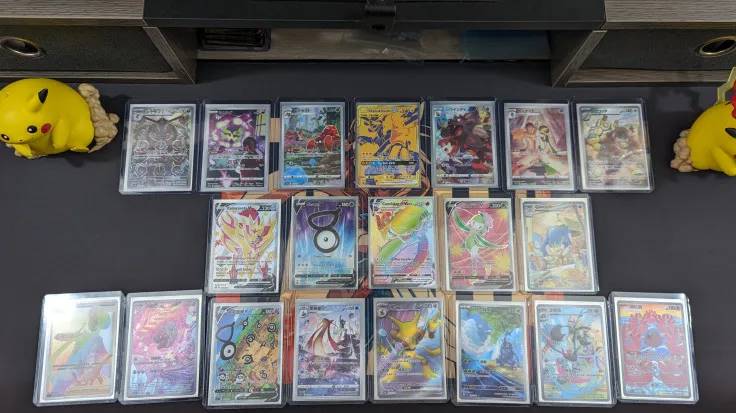
 The Pokémon trading card game is extremely popular around the world, especially in Japan. These cards are very valuable, especially the rare ones. (Image source: Twitter / FADA Pack Magic @FadaPackMagic)

Pokémon trading cards have gone from amusement park items to one of the world's hottest alternative investments.

According to data from analytics firm Card Ladder, the Pokémon card market has grown 3,821% in value since 2004, far outpacing the S&P 500's 483% increase and Meta Platforms' 1,844% growth.

From hobby to high-yield asset

Pokémon trading cards, launched by Nintendo in 1996, have become a popular investment, traded across platforms including eBay, TCGplayer, and international expos. The market has seen explosive growth during the pandemic, as stimulus policies and lockdowns have driven collectors toward alternative assets.

For some, the investment has yielded life-changing returns. Lucas Shaw, a 27-year-old account manager in Ohio, said the profits from selling the cards helped him pay for his wedding rings and celebrations.

Similarly, Justin Wilson, a 32-year-old advertising manager in Oklahoma City, estimates the total value of his collection of 500 cards and 100 sealed items at about $100,000. He considers Pokémon cards part of his investment portfolio, alongside his Roth IRA and securities accounts.

The appeal of Pokémon cards lies not only in financial gain but also in their emotional resonance. "You have to collect them all," Wilson said, referencing the series's classic slogan. For many, the cards represent both childhood nostalgia and speculative opportunity.

Where does the value of rare Pokémon cards come from?

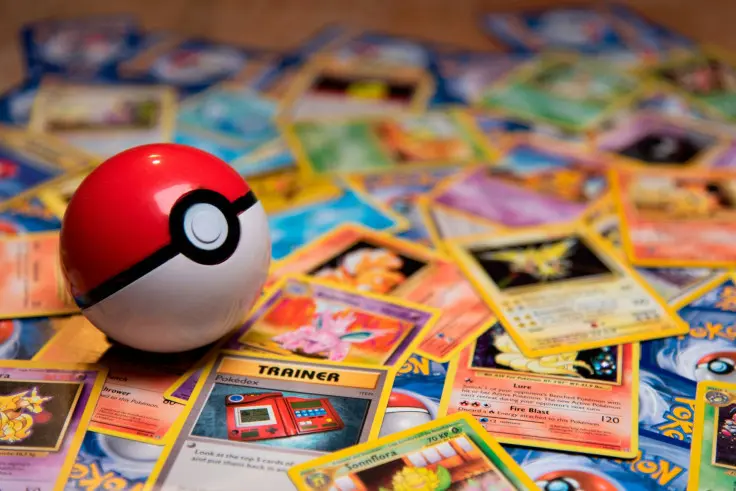
 A classic Poké Ball toy with matching Pokémon trading cards. Zapdos, Ninetales, and a trainer card are clearly visible.

Image credit: Thimo Pedersen/Unsplash

Unlike stocks, Pokémon cards don't generate dividends; their value depends on their rarity, condition, and cultural significance. Cards graded as perfect PSA 10 by the Professional Sports Authenticator (PSA) often fetch exorbitant prices.

The most dramatic example occurred in 2022, when influencer Logan Paul purchased a near-perfect "Pikachu Illustrator" card for $5.3 million, setting a Guinness World Record for the most expensive Pokémon card ever sold privately. This event further ignited market interest and highlighted the speculative potential of high-level cards.

Risks of the Pokémon Card Market

Financial advisors warn against considering collectibles as the core of a portfolio. Card prices are extremely volatile, influenced by hype, media coverage, and collector sentiment. Counterfeit cards also remain a potential threat, with scams frequently occurring.

 Image source: Flickr/c0rnnibblets

Still, the resilience of the Pokémon brand provides some stability to the market. Pokémon spans video games, movies, and merchandise, and unlike sports trading cards, the characters are immune to scandals, making them a safer investment for some collectors.

The Future of Collectibles Investing

The rapid rise of Pokémon cards reflects a broader shift in people's perception of value. As digital assets like Bitcoin face regulatory scrutiny and tech stocks undergo a market correction, tangible collectibles offer a nostalgic and potentially profitable haven.

While the sustainability of its value remains uncertain, the 3,821% growth over the past 20 years has established Pokémon trading cards as the most vivid example of how a childhood hobby can transform into a multi-million dollar investment.

시장 기회
니어 로고
니어 가격(NEAR)
$1.0274
$1.0274$1.0274
+1.89%
USD
니어 (NEAR) 실시간 가격 차트
면책 조항: 본 사이트에 재게시된 글들은 공개 플랫폼에서 가져온 것으로 정보 제공 목적으로만 제공됩니다. 이는 반드시 MEXC의 견해를 반영하는 것은 아닙니다. 모든 권리는 원저자에게 있습니다. 제3자의 권리를 침해하는 콘텐츠가 있다고 판단될 경우, service@support.mexc.com으로 연락하여 삭제 요청을 해주시기 바랍니다. MEXC는 콘텐츠의 정확성, 완전성 또는 시의적절성에 대해 어떠한 보증도 하지 않으며, 제공된 정보에 기반하여 취해진 어떠한 조치에 대해서도 책임을 지지 않습니다. 본 콘텐츠는 금융, 법률 또는 기타 전문적인 조언을 구성하지 않으며, MEXC의 추천이나 보증으로 간주되어서는 안 됩니다.

추천 콘텐츠

U.S. Moves Grip on Crypto Regulation Intensifies
U.S. Moves Grip on Crypto Regulation Intensifies

The post U.S. Moves Grip on Crypto Regulation Intensifies appeared on BitcoinEthereumNews.com. The United States is contending with the intricacies of cryptocurrency regulation as newly enacted legislation stirs debate over centralized versus decentralized finance. The recent passage of the GENIUS Act under Bo Hines’ leadership is perceived to skew favor towards centralized entities, potentially disadvantaging decentralized innovations. Continue Reading:U.S. Moves Grip on Crypto Regulation Intensifies Source: https://en.bitcoinhaber.net/u-s-moves-grip-on-crypto-regulation-intensifies
공유하기
BitcoinEthereumNews2025/09/18 01:09
Shocking Kenya Token Scam Takes Over Crypto Twitter

Shocking Kenya Token Scam Takes Over Crypto Twitter

The post Shocking Kenya Token Scam Takes Over Crypto Twitter appeared on BitcoinEthereumNews.com. Kenya’s former Prime Minister was apparently hacked to promote a scam token project. The announcement post on his X profile was deleted, and its video was almost certainly a deepfake. The project’s name and branding closely resemble another semi-official project with glaring red flags. This confusing quagmire raises many remaining questions. Sponsored Sponsored What is Kenya Token? Kenya has an underrated presence in the international crypto community, with pockets of grassroots adoption and major business partnerships conducted by the government. However, the new “Kenya Token” apparently tried to profit from this situation rather than contribute to it. Faked Kenya Token Announcement. Source: X Raila Odinga, the country’s former Prime Minister, was apparently hacked to announce the Kenya Token project. Soon after, though, it was removed, prompting concerns about a hack. Comparing the accompanying video to Odinga’s actual speaking voice, it seems extremely likely that this post was an AI-generated deepfake. The scam may have fallen apart, but there are many unanswered questions. These red flags could be an important lesson, especially as scam prevention techniques are failing the community. Who’s Behind This Scam? Sponsored Sponsored For example, analysts discovered a massive level of insider bundling with Kenya Digital Token (KDT). This is a totally separate asset apparently endorsed by sitting government officials, so the scam project may have tried to piggyback on KDT’s branding. Even this semi-official project was covered in red flags, however. Immediately after one KDT wallet conducted a TGE, 141 other accounts sniped 20% of the total supply. The site marketed these tokens as “locked for the people,” but they’re in private hands. Kenya Digital Token (KDT) is heavily bundled 150 connected addresses own 20% of the supply – worth $60M “Locked for the people” pic.twitter.com/vCVtq1WCRc — Bubblemaps (@bubblemaps) July 11, 2025 This led the community to…
공유하기
BitcoinEthereumNews2025/09/19 06:40
Michael Saylor’s Strategy buys 850 BTC as MSTR stock dips

Michael Saylor’s Strategy buys 850 BTC as MSTR stock dips

Strategy continues to underperform Bitcoin, despite doubling down on BTC purchases Michael Saylor’s Strategy is doubling down on Bitcoin purchases, despite a dip in its stock price. On Sunday, September 21, the company announced an 850 Bitcoin (BTC) purchase that…
공유하기
Crypto.news2025/09/22 23:20