Stablecoin Rewards Deal: Coinbase CPO Protects Network-Based User Incentives
BitcoinWorld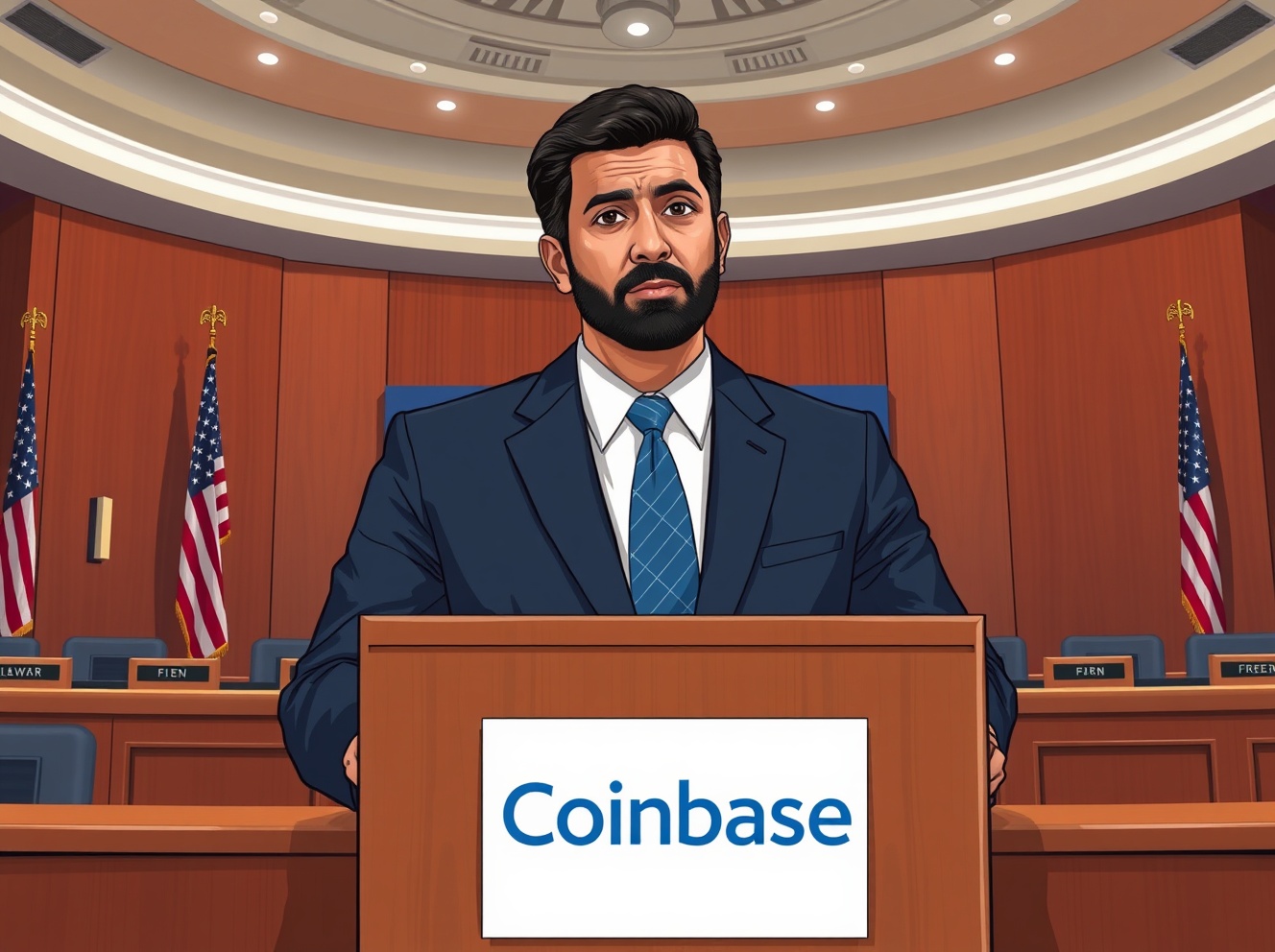
Stablecoin Rewards Deal: Coinbase CPO Protects Network-Based User Incentives
Coinbase Chief Policy Officer (CPO) Faryar Shirzad has praised a recent stablecoin rewards agreement. This deal protects network-based user rewards in U.S. crypto legislation. The agreement marks a pivotal moment for crypto users nationwide.
Stablecoin Rewards Deal: A Key Win for Users
Shirzad explained the agreement’s details in a recent statement. He highlighted that the banking sector secured more restrictions on rewards. However, the deal protects Americans earning compensation from platform use. This distinction matters for millions of crypto participants.
Network-based rewards differ from traditional interest payments. Users earn tokens for validating transactions or providing liquidity. These rewards incentivize active participation in decentralized networks. The agreement ensures these mechanisms remain legal.
Stablecoin rewards have been a contentious issue in U.S. crypto regulation. Lawmakers debated whether they resemble securities or banking products. The new deal clarifies the regulatory landscape for these digital assets.
Faryar Shirzad’s Perspective on Crypto Legislation
Shirzad brings extensive experience to this debate. He previously served in government roles before joining Coinbase. His expertise helps bridge the gap between regulators and the crypto industry.
He emphasized that the agreement balances innovation with consumer protection. Network-based rewards encourage user engagement without traditional banking risks. This approach supports the growth of decentralized finance (DeFi).
The CPO noted that the deal preserves user autonomy. Participants can earn rewards by contributing to network security. This model aligns with crypto’s core principles of decentralization.
Impact on the Crypto Industry
The stablecoin rewards deal sets a precedent for future regulations. It acknowledges the unique nature of blockchain-based compensation. Other countries may follow this framework for their own policies.
Industry experts view this as a positive development. It provides clarity for platforms offering network-based rewards. Users can now engage with confidence in the regulatory environment.
However, some critics argue the banking sector gained too much influence. They worry about future restrictions on crypto innovation. Shirzad countered that the deal protects essential user rights.
Network-Based Rewards: How They Work
Network-based rewards compensate users for active participation. For example, staking rewards come from validating transactions. Liquidity providers earn fees for facilitating trades on decentralized exchanges.
These rewards differ from passive interest payments. They require ongoing engagement with the platform. This distinction helped shape the regulatory agreement.
Stablecoin rewards specifically involve tokens pegged to fiat currency. Users earn these tokens for contributing to network operations. The deal ensures these activities remain compliant with U.S. law.
Timeline of the Regulatory Debate
The debate over stablecoin rewards began in early 2023. Lawmakers introduced bills to classify them as securities. The crypto industry pushed back, arguing for their unique nature.
Key milestones include:
- 2023: Initial legislative proposals target stablecoin rewards.
- 2024: Industry lobbying intensifies for network-based protections.
- 2025: The agreement emerges, protecting user rewards.
This timeline shows the rapid evolution of crypto regulation. The deal represents a compromise between competing interests.
Coinbase’s Role in Shaping Policy
Coinbase has been a leading voice in crypto regulation. The company advocates for clear rules that foster innovation. Shirzad’s role involves direct engagement with policymakers.
The exchange’s position emphasizes user protection. Network-based rewards offer tangible benefits to participants. Coinbase argues they should not be treated as traditional financial products.
This stance aligns with the company’s broader mission. Coinbase aims to create an open financial system. The stablecoin rewards deal supports this vision.
Expert Analysis and Reactions
Legal experts praise the deal for its nuanced approach. It distinguishes between passive interest and active network participation. This clarity helps platforms design compliant reward programs.
Industry analysts note the deal’s global implications. Other jurisdictions may adopt similar frameworks. This could standardize stablecoin rewards regulation worldwide.
Consumer advocates highlight the protections for users. The agreement prevents banks from monopolizing reward mechanisms. This ensures competition and innovation in the crypto space.
Future of Crypto Legislation
The stablecoin rewards deal sets a foundation for broader crypto laws. Future legislation may address other contentious issues. These include taxation, custody, and cross-border transactions.
Shirzad expressed optimism about the regulatory trajectory. He believes the deal shows progress in understanding crypto. Continued dialogue between industry and regulators remains crucial.
However, challenges persist. Some lawmakers still view crypto with skepticism. The industry must continue educating policymakers about its benefits.
Comparative Table: Network-Based vs. Traditional Rewards
| Feature | Network-Based Rewards | Traditional Rewards |
|---|---|---|
| User Activity | Active participation required | Passive holding |
| Risk Profile | Varies with network performance | Fixed by issuer |
| Regulatory Status | Protected under new deal | Subject to banking laws |
| Examples | Staking, liquidity mining | Interest, dividends |
This table illustrates the key differences. The regulatory agreement recognizes these distinctions.
Conclusion
The stablecoin rewards deal represents a significant achievement for crypto users. Faryar Shirzad’s leadership at Coinbase helped secure protections for network-based rewards. This agreement balances innovation with regulatory compliance. It ensures Americans can continue earning rewards through active participation. The deal sets a positive precedent for future crypto legislation.
FAQs
Q1: What are stablecoin rewards?
Stablecoin rewards are tokens earned by users for participating in network activities like staking or providing liquidity on decentralized platforms.
Q2: How does the deal protect network-based rewards?
The agreement distinguishes network-based rewards from traditional interest, ensuring they remain legal under U.S. crypto legislation.
Q3: Why did the banking sector get more restrictions?
Banks secured tighter rules on reward mechanisms that resemble traditional interest payments, but the deal exempts active network participation.
Q4: What role did Coinbase CPO Faryar Shirzad play?
Shirzad advocated for the deal, leveraging his policy expertise to protect user rewards while engaging with lawmakers.
Q5: Will this affect other countries’ crypto regulations?
Yes, the U.S. framework may influence global standards for stablecoin rewards and network-based compensation models.
This post Stablecoin Rewards Deal: Coinbase CPO Protects Network-Based User Incentives first appeared on BitcoinWorld.


추천 콘텐츠

MoonPay Unveils MoonAgents Card to Offer AI-Led Stablecoin Spending

Massive Bitcoin Withdrawal of 1,051 BTC from Binance Signals Major Whale Accumulation