

Scammers Hit Strait of Hormuz Ships With Crypto Demands
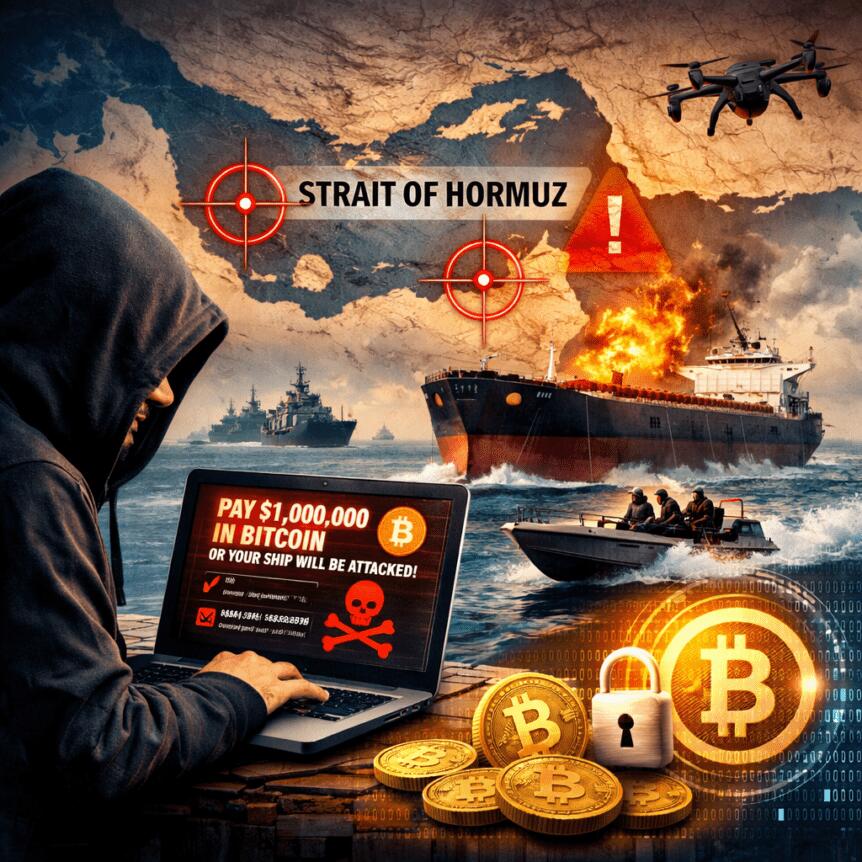
Fraudsters posing as Iranian authorities have targeted shipping firms with crypto-based demands to secure passage through the Strait of Hormuz, according to maritime risk outfit Marisks.
Marisks said unknown groups contacted shipowners claiming to represent Iran’s security services and demanded payment in Bitcoin or USD Tether in exchange for transit clearance, after requesting verification documents first. Reuters reported on the scam messages, noting they did not originate from Iranian authorities; Tehran has not publicly commented.
The warnings come as the Strait of Hormuz remains largely closed amid regional hostilities. The strait, a critical conduit for global energy shipments, previously handled roughly one-fifth of the world’s oil and LNG before the latest flareups. Earlier this month, Cointelegraph reported that Iran was considering tolls payable in BTC for ships passing through Hormuz, with empty tankers allowed free passage while others could be charged about $1 per barrel of oil.
Key takeaways
- Marisks warns that scams impersonating Iranian security services are soliciting crypto payments (BTC or USDT) for Hormuz transit, accompanied by requests for verification documents.
- The messages are not sourced from official Iranian authorities, according to Marisks and Reuters; Tehran has not publicly commented on the claims.
- The Strait of Hormuz remains largely closed amid Middle East hostilities, underscoring the vulnerability of global energy flows at this chokepoint.
- Sanctions risk looms large: payments tied to Iranian waterways could be treated as material support, with potential violations of US and international sanctions.
- This episode highlights the broader debate about crypto’s role in sanctioned regimes and the regulatory risks for shipping and crypto actors alike.
Crypto tolls, scams and the geopolitics of Hormuz
The messages described by Marisks present a classic manipulation: a supposed security clearance tied to a crypto payment, followed by a claim that transit will be allowed at a pre-arranged time once verification steps are completed. In at least one cited instance, the channel suggested Iranian security services would assess eligibility before determining the crypto payment in BTC or USDt. Marisks noted that a vessel recently targeted by gunfire while attempting to exit the strait may have received such instructions, though this has not been independently verified. Cointelegraph reached out to Marisks for comment but did not receive an immediate reply.
The episode arrives against a backdrop of wider geopolitical tension around Hormuz. Al Jazeera reported the Strait’s continued closures amid the conflict, a development that raises the stakes for insurers, operators and lenders who rely on predictable access to global energy markets. The strategic chokepoint remains a focal point for policy and risk assessment as regional dynamics evolve.
In earlier reporting, Iran was described as weighing crypto-based tolls to monetize navigation through Hormuz—an approach that would tilt the balance between open sea lanes and sanctioned finance. Cointelegraph’s coverage noted debates over BTC and USDt as potential toll instruments, reflecting a broader conversation about crypto’s utility in sanctioned economies and the practical risks for those who accept crypto payments under duress or misrepresentation. See the prior analysis on Iran’s crypto toll discussions for additional context.
Sanctions risk and what it means for operators
Beyond operational risk, industry analysts warn of serious compliance implications. Chainalysis senior intelligence analyst Kaitlin Martin told Cointelegraph that any payments tied to Iranian-controlled waterways could constitute “material support,” potentially violating US and international sanctions targeting entities linked to the Islamic Revolutionary Guard Corps. The warning underscores that crypto payments conditioned on access to strategic corridors can create exposure well beyond the immediate toll itself.
These developments sit at the intersection of geopolitical maneuvering and evolving crypto policy. Iran’s interest in leveraging digital currencies for energy transit has been debated in crypto policy circles, with discussions weighing potential benefits against the entrenched sanctions regime. For readers seeking deeper background, coverage exploring Iran’s BTC and USDt toll dynamics remains a pertinent companion piece.
As authorities surveil illicit use of crypto in restricted corridors, shipowners, operators and their counterparties will be watching for official guidance on sanctions enforcement and any regulatory clarifications related to crypto-enabled tolls. The risk environment around Hormuz—already shaped by conflict, insurance considerations and the reliability of communications—adds another layer of complexity for the global maritime and crypto communities.
Watch for formal statements from regulatory bodies and industry associations as this situation unfolds. The next steps will likely hinge on how sanctions enforcement perspectives evolve and whether crypto-based toll proposals advance or recede amid ongoing geopolitical tensions.
This article was originally published as Scammers Hit Strait of Hormuz Ships With Crypto Demands on Crypto Breaking News – your trusted source for crypto news, Bitcoin news, and blockchain updates.


You May Also Like

XRP Ledger Moves to Native Post-Quantum Security by 2028

Goldman Sachs Projects S&P 500 Rally to 7,600 Amid Historic Consumer Confidence Collapse




