

How ESG-led lending is helping UGRO Capital bridge gender gaps and build an inclusive MSME economy
India’s MSMEs sit at the crossroads of two urgent national priorities: powering economic growth and transitioning to a low-carbon future. They contribute nearly a third of India’s GDP and employ over 120 million people—yet many of these businesses, especially those led by women, still remain locked out of formal finance and new-age sustainable technologies.
This is exactly the gap UGRO Capital wants to close.
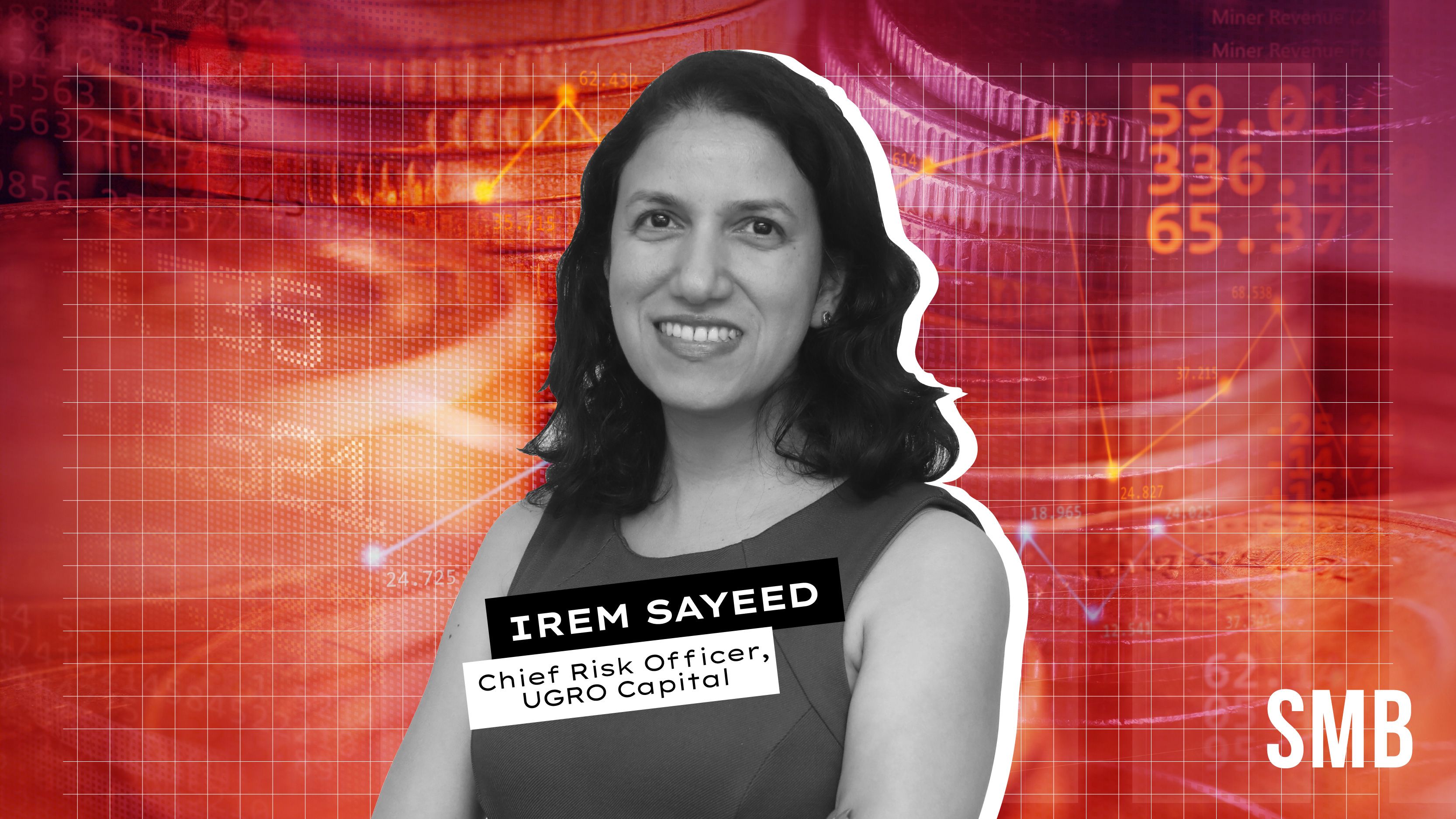
“MSMEs are central to India’s climate-resilient future, but outdated processes, limited awareness, and restricted access to sustainable finance often hold them back,” says Irem Sayeed, Chief Risk Officer, UGRO Capital, in an interaction with SMBStory.
“The challenge is even greater for women-led enterprises that operate in informal clusters with limited technical exposure.”
But instead of treating ESG as a compliance layer or a feel-good checkbox, UGRO is using it as a lever to fundamentally reshape how MSMEs—particularly women-owned ones—access credit.
From collateral-based lending to sustainability-led lending
Traditional MSME lending is built around paperwork, collateral, and historical records — parameters that few small or women-led businesses can comfortably meet. UGRO turns this approach on its head.
With an International Finance Corporation-aligned (IFC) project exclusion list and a detailed ESG scorecard, UGRO evaluates MSMEs on operational practices—energy usage, waste disposal, water efficiency, labour welfare, and governance. Borrowers are then categorised as low, medium, or high ESG risk, shaping how loans are priced, monitored, and even rewarded.
“Our ESG framework allows us to look beyond traditional documentation and focus on project viability and long-term sustainability potential,” Sayeed explains.
This means businesses with thin credit histories—but strong fundamentals—now have a fair shot at financing. For women entrepreneurs who often lack collateral or inherited infrastructure, this shift is transformative, explains Sayeed.
Where green finance meets gender-inclusive growth
Many of the sectors where women-led MSMEs are most active—food processing, healthcare, garments, rural micro-manufacturing, and WASH—are also the ones ripe for green transformation.
UGRO is seeing strong demand for solutions that are both commercially valuable and environmentally efficient, ranging from energy-efficient machinery and rooftop solar systems to electric mobility solutions, water-conservation and water, sanitation, and hygiene-focused enterprises, and modern waste-management technologies.
“When a green solution also reduces cost and improves productivity, the impact becomes both economic and social—supporting communities, women workforces, and a cleaner future,” says Sayeed.
These interventions not only help MSMEs modernise operations—they can boost output, improve margins, and create safer workplaces, particularly for women workers who dominate these clusters.
Climate-aware underwriting as a tool for financial equality
Another crucial shift is how UGRO structures repayments. Instead of rigid EMIs, loans are tailored to payback cycles from energy savings or efficiency gains. A rooftop solar loan, for instance, aligns repayments with monthly savings on electricity bills. A machinery loan is pegged to productivity-led revenue upticks.
This makes adoption of new technology less intimidating and more financially manageable—an important factor for women entrepreneurs who often operate with tighter cash cycles.
“By integrating climate risk, energy benchmarks, and ESG indicators into underwriting, we’re building a portfolio that is not only environmentally responsible but also socially progressive,” notes Sayeed.
Why the future of inclusive finance may be green
As India deepens its climate commitments, MSMEs will either become bottlenecks or catalysts. UGRO bets that with the right support, they can become the latter—and bring millions of women-led businesses along in that journey.
Sayeed puts it plainly: “India’s low-carbon transition must be inclusive. When MSMEs — especially women-led ones—gain access to green finance and technology, they can drive both economic competitiveness and climate resilience.”
With ESG-driven underwriting, flexible repayment models, and a deep focus on sustainability-linked growth, UGRO Capital is crafting a financing model where gender inclusion and green transition go hand in hand—potentially setting a blueprint for the next era of MSME lending in India.
You May Also Like

USD Sentiment Turns Bearish, Stablecoins and Crypto Could Be Affected

Here’s How Consumers May Benefit From Lower Interest Rates
