BitcoinWorld Bitcoin Spot ETFs Stumble: $78.35 Million Flees, Halting Inflow Streak The recent dance of capital into and out of U.S. Bitcoin spot ETFs took a sharpBitcoinWorld Bitcoin Spot ETFs Stumble: $78.35 Million Flees, Halting Inflow Streak The recent dance of capital into and out of U.S. Bitcoin spot ETFs took a sharp

Bitcoin Spot ETFs Stumble: $78.35 Million Flees, Halting Inflow Streak
2025/12/12 11:45
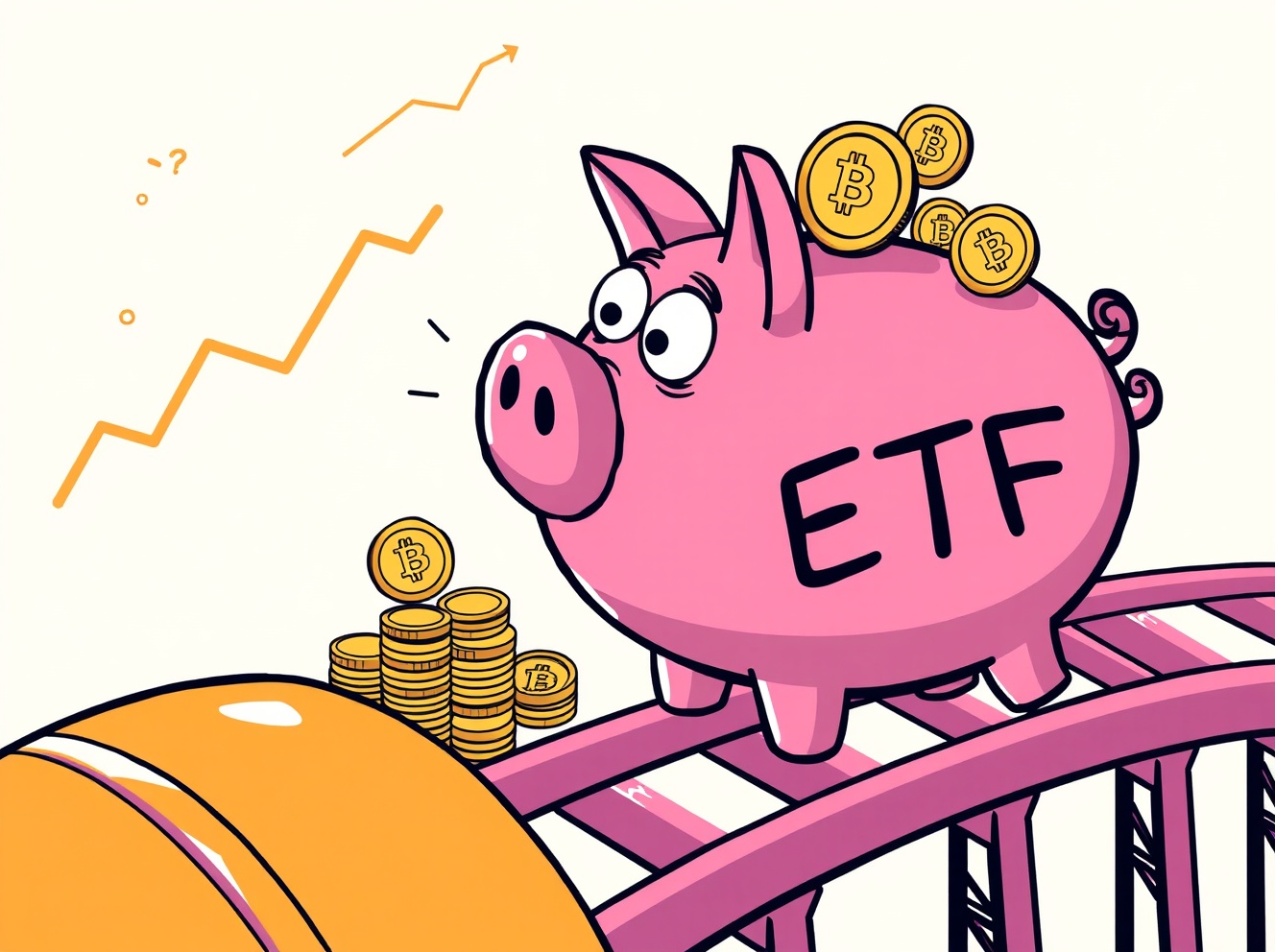
A cartoon piggy bank ETF on a rollercoaster, symbolizing the surprising volatility in Bitcoin spot ETFs investment flows.

BitcoinWorld

Bitcoin Spot ETFs Stumble: $78.35 Million Flees, Halting Inflow Streak

The recent dance of capital into and out of U.S. Bitcoin spot ETFs took a sharp turn on December 11th. After a brief two-day rally of net inflows, these popular investment vehicles experienced a collective net outflow of $78.35 million. This shift highlights the ongoing volatility and nuanced investor sentiment shaping the crypto market, even for institutional-grade products.

What Drove the Bitcoin Spot ETFs Net Outflow?

Data reported by Trader T reveals a day of conflicting signals within the Bitcoin spot ETF landscape. The headline figure is a clear step back, but the story beneath the surface is more complex. A significant withdrawal from several major funds overpowered a strong single performance, creating the overall negative flow. This tug-of-war between different fund managers provides a real-time snapshot of shifting investor confidence.

A Closer Look at the Winners and Losers

Not all Bitcoin spot ETFs moved in the same direction. BlackRock’s iShares Bitcoin Trust (IBIT) stood out as a beacon of strength, attracting a substantial $75.7 million in new investments. However, this positive momentum was decisively countered by outflows from other key players:

  • Fidelity’s Wise Origin Bitcoin Fund (FBTC) saw the largest exit, with $103 million flowing out.
  • Ark Invest’s ARKB experienced a withdrawal of $16.38 million.
  • VanEck’s Bitcoin Trust (HODL) also faced outflows totaling $19.38 million.

This divergence shows that investor choices are becoming more selective, moving capital between funds rather than exiting the asset class entirely.

Why Should Investors Care About ETF Flows?

Tracking the daily flows of Bitcoin spot ETFs is more than just watching numbers change. It serves as a crucial barometer for institutional sentiment. Consistent inflows generally signal growing confidence and adoption, which can be a supportive factor for Bitcoin’s price. Conversely, sustained outflows may indicate profit-taking, risk aversion, or a broader wait-and-see approach. The December 11th data, therefore, acts as a cautionary note, reminding market participants that the path to mainstream adoption is rarely a straight line.

What’s Next for Bitcoin Spot ETFs?

A single day of outflows does not define a trend. The critical question is whether this marks the beginning of a longer period of redemption or merely a brief pause in accumulation. Market observers will watch closely to see if funds like IBIT can continue to attract capital to offset outflows elsewhere. Furthermore, broader macroeconomic factors and Bitcoin’s own price action will heavily influence future Bitcoin spot ETF flow patterns. The interplay between these funds is now a fundamental piece of the crypto market puzzle.

Conclusion: A Market in Constant Motion

The $78.35 million net outflow from U.S. Bitcoin spot ETFs is a powerful reminder of the market’s dynamic nature. It underscores that investor appetite, even through regulated vehicles, remains sensitive and can shift rapidly. For anyone involved in cryptocurrency, understanding these flow trends is essential for grasping the undercurrents of supply, demand, and institutional behavior that drive the market forward.

Frequently Asked Questions (FAQs)

What are Bitcoin spot ETFs?
Bitcoin spot ETFs are exchange-traded funds that hold actual Bitcoin. They allow investors to gain exposure to Bitcoin’s price movements through a traditional stock brokerage account without needing to directly buy, store, or secure the cryptocurrency themselves.

What does ‘net outflow’ mean for an ETF?
A net outflow occurs when the total amount of money withdrawn from an ETF by shareholders selling their shares exceeds the total amount of new money invested by buyers. It indicates more selling pressure than buying pressure for that day.

Why did some Bitcoin ETFs have inflows while others had outflows?
Investors may move money between different funds based on factors like the fund’s expense ratio (fees), the reputation of the issuer (e.g., BlackRock vs. a smaller firm), liquidity, or personal investment strategy. It shows selectivity within the asset class.

Is a single day of outflows a bad sign for Bitcoin?
Not necessarily. One day of data is a snapshot, not a trend. Market flows are volatile. It’s more important to watch for sustained patterns over weeks or months to gauge true institutional sentiment.

Where can I find daily Bitcoin ETF flow data?
Data is compiled by various analysts and financial data firms. It is often reported by major financial news outlets covering cryptocurrencies and ETFs, such as CoinDesk, Bloomberg, and The Block.

How do ETF flows affect Bitcoin’s price?
Large, sustained inflows can create buying pressure on the underlying Bitcoin held by the funds, which can be a supportive factor for the price. Large, sustained outflows can have the opposite effect, as the fund must sell Bitcoin to return cash to exiting shareholders.

Found this breakdown of Bitcoin spot ETF flows helpful? Share this article with your network on Twitter or LinkedIn to spark a conversation about institutional crypto trends!

To learn more about the latest Bitcoin trends, explore our article on key developments shaping Bitcoin institutional adoption and price action.

This post Bitcoin Spot ETFs Stumble: $78.35 Million Flees, Halting Inflow Streak first appeared on BitcoinWorld.

Disclaimer: The articles reposted on this site are sourced from public platforms and are provided for informational purposes only. They do not necessarily reflect the views of MEXC. All rights remain with the original authors. If you believe any content infringes on third-party rights, please contact service@support.mexc.com for removal. MEXC makes no guarantees regarding the accuracy, completeness, or timeliness of the content and is not responsible for any actions taken based on the information provided. The content does not constitute financial, legal, or other professional advice, nor should it be considered a recommendation or endorsement by MEXC.

You May Also Like

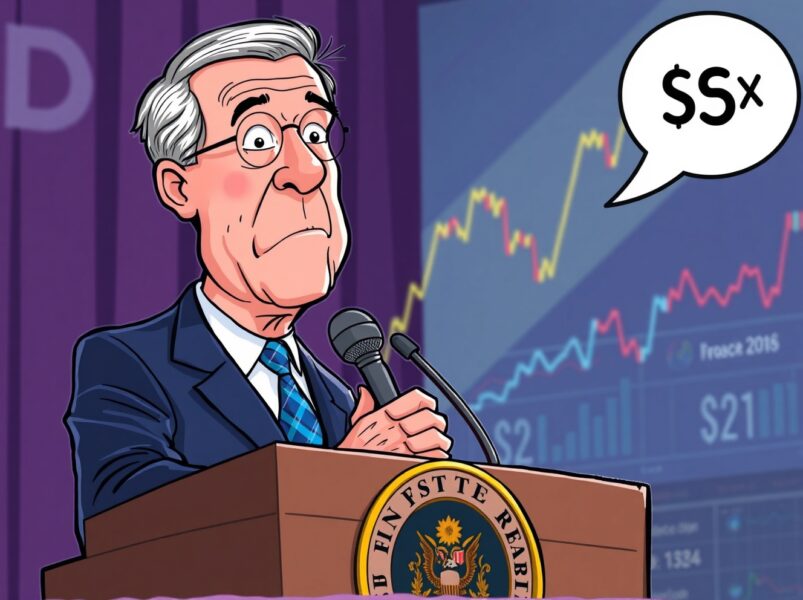
Jerome Powell’s Press Conference: Crucial Insights Unveiled for the Market’s Future

Jerome Powell’s Press Conference: Crucial Insights Unveiled for the Market’s Future

BitcoinWorld Jerome Powell’s Press Conference: Crucial Insights Unveiled for the Market’s Future The financial world, including the dynamic cryptocurrency market, often hangs on every word from the Federal Reserve. Recently, Jerome Powell’s press conference following the Federal Open Market Committee (FOMC) meeting concluded, leaving investors and analysts dissecting his remarks for clues about the future economic direction. This event is always a pivotal moment, shaping expectations for inflation, interest rates, and the overall stability of global markets. What Were the Key Takeaways from Jerome Powell’s Press Conference? During Jerome Powell’s press conference, the Fed Chair provided an update on the central bank’s monetary policy decisions and its economic outlook. His statements often reiterate the Fed’s dual mandate: achieving maximum employment and stable prices. This time was no different, with a strong emphasis on managing persistent inflation. Key points from the recent discussion included: Inflation Control: Powell emphasized the Fed’s unwavering commitment to bringing inflation back down to its 2% target. He reiterated that the fight against rising prices remains the top priority, even if it entails some economic slowdown. Interest Rate Policy: While the Fed’s stance on future interest rate adjustments was discussed, the path remains data-dependent. Powell indicated that decisions would continue to be made meeting-by-meeting, based on incoming economic data. Economic Projections: The updated Summary of Economic Projections (SEP) offered insights into the Fed’s forecasts for GDP growth, unemployment, and inflation. These projections help market participants gauge the central bank’s expectations for the economy’s trajectory. Quantitative Tightening (QT): The ongoing process of reducing the Fed’s balance sheet, known as quantitative tightening, was also a topic. This reduction in liquidity in the financial system has broad implications for asset prices. How Did Jerome Powell’s Remarks Impact Cryptocurrency Markets? The conclusion of Jerome Powell’s press conference often sends ripples through traditional financial markets, and cryptocurrencies are increasingly sensitive to these macroeconomic shifts. Digital assets, once thought to be uncorrelated, now frequently react to the Fed’s monetary policy signals. Higher interest rates, for instance, tend to make riskier assets like cryptocurrencies less attractive. This is because investors might prefer safer, interest-bearing investments. Consequently, we often see increased volatility in Bitcoin (BTC) and Ethereum (ETH) prices immediately following such announcements. The tightening of financial conditions, driven by the Fed, reduces overall liquidity in the system, which can put downward pressure on asset valuations across the board. However, some argue that this growing correlation signifies crypto’s increasing integration into the broader financial ecosystem. It suggests that institutional investors and mainstream finance are now paying closer attention to digital assets, treating them more like other risk-on investments. Navigating the Economic Landscape After Jerome Powell’s Press Conference For cryptocurrency investors, understanding the implications of Jerome Powell’s press conference is crucial for making informed decisions. The Fed’s policy trajectory directly influences the availability of capital and investor sentiment, which are key drivers for crypto valuations. Here are some actionable insights for navigating this environment: Stay Informed: Regularly monitor Fed announcements and economic data releases. Understanding the macroeconomic backdrop is as important as analyzing individual crypto projects. Assess Risk Tolerance: In periods of economic uncertainty and tighter monetary policy, a reassessment of personal risk tolerance is wise. Diversification within your crypto portfolio and across different asset classes can mitigate potential downsides. Focus on Fundamentals: While market sentiment can be swayed by macro news, projects with strong fundamentals, clear use cases, and robust development teams tend to perform better in the long run. Long-Term Perspective: Cryptocurrency markets are known for their volatility. Adopting a long-term investment horizon can help weather short-term fluctuations driven by macro events like Fed meetings. The challenges include potential continued volatility and reduced liquidity. However, opportunities may arise from market corrections, allowing strategic investors to accumulate assets at lower prices. In summary, Jerome Powell’s press conference provides essential guidance on the Fed’s economic strategy. Its conclusions have a profound impact on financial markets, including the dynamic world of cryptocurrencies. Staying informed, understanding the nuances of monetary policy, and maintaining a strategic investment approach are paramount for navigating the evolving economic landscape. The Fed’s actions underscore the interconnectedness of traditional finance and the burgeoning digital asset space. Frequently Asked Questions (FAQs) Q1: What is the Federal Open Market Committee (FOMC)? A1: The FOMC is the monetary policy-making body of the Federal Reserve System. It sets the federal funds rate target and directs open market operations, influencing the availability of money and credit in the U.S. economy. Q2: How do the Fed’s interest rate decisions typically affect cryptocurrency markets? A2: Generally, when the Fed raises interest rates, it makes borrowing more expensive and reduces liquidity in the financial system. This often leads investors to shy away from riskier assets like cryptocurrencies, potentially causing prices to decline. Conversely, lower rates can stimulate investment in riskier assets. Q3: What does “data-dependent” mean in the context of Fed policy? A3: “Data-dependent” means that the Federal Reserve’s future monetary policy decisions, such as interest rate adjustments, will primarily be based on the latest economic data. This includes inflation reports, employment figures, and GDP growth, rather than a predetermined schedule. Q4: Should I change my cryptocurrency investment strategy based on Jerome Powell’s press conference? A4: While it’s crucial to be aware of the macroeconomic environment shaped by Jerome Powell’s press conference, drastic changes to a well-researched investment strategy may not always be necessary. It’s recommended to review your portfolio, assess your risk tolerance, and consider if your strategy aligns with the current economic outlook, focusing on long-term fundamentals. If you found this analysis helpful, please consider sharing it with your network! Your insights and shares help us reach more readers interested in the intersection of traditional finance and the exciting world of cryptocurrencies. Spread the word! To learn more about the latest crypto market trends, explore our article on key developments shaping Bitcoin price action. This post Jerome Powell’s Press Conference: Crucial Insights Unveiled for the Market’s Future first appeared on BitcoinWorld.
Share
Coinstats2025/09/18 16:25
Jordan to issue project tenders worth $10bn in 2026

Jordan to issue project tenders worth $10bn in 2026

Jordan plans to issue tenders for almost $10 billion in national projects before the end of 2026, the country’s prime minister has said. The government is working
Share
Agbi2025/12/12 15:40