Hardware Startups Face Bankruptcy Crisis: Why iRobot, Luminar, and Rad Power Bikes Are Failing
BitcoinWorld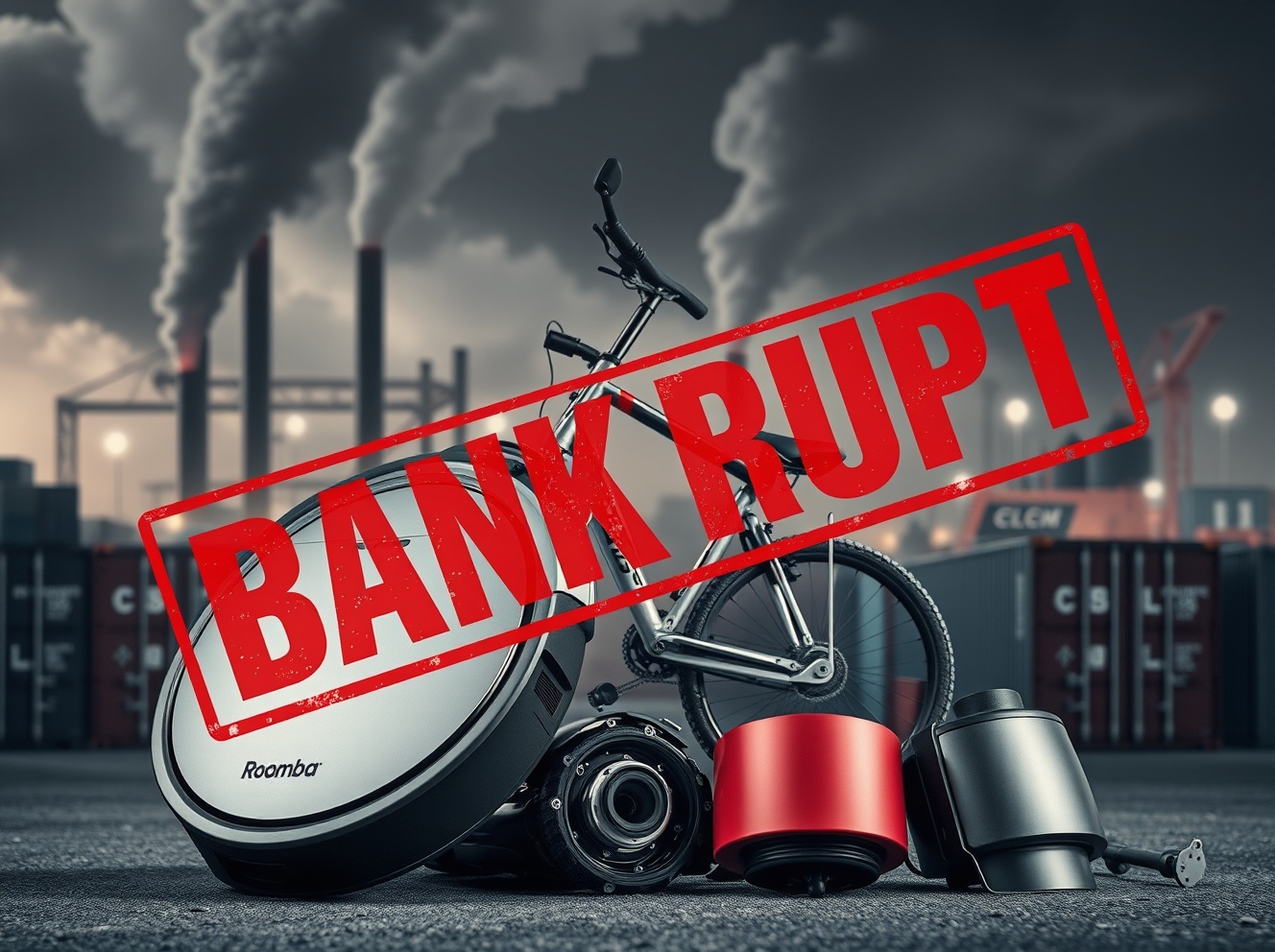
Hardware Startups Face Bankruptcy Crisis: Why iRobot, Luminar, and Rad Power Bikes Are Failing
The hardware world just suffered a brutal reality check. In one devastating week, three prominent hardware startups—iRobot, Luminar, and Rad Power Bikes—filed for bankruptcy. This isn’t just bad luck; it’s a systemic warning for anyone building physical products today. For the crypto community, this serves as a crucial parallel: building tangible value in a volatile, interconnected global system is fraught with peril. The challenges facing these hardware startups—supply chain issues, global trade tensions, and relentless cheap overseas competition—mirror the regulatory and market pressures that crypto projects navigate daily. Understanding why these companies failed provides vital lessons for any venture operating at the intersection of technology, manufacturing, and global finance.
Why Are Hardware Startups Failing?
The recent wave of bankruptcies points to a perfect storm of external pressures and internal missteps. While each company had unique problems, common themes emerge. The core business model of creating innovative physical products is under immense strain. High capital costs, long development cycles, and thin margins leave little room for error when market conditions shift. For investors and builders in tech, whether in crypto or hardware, this highlights the importance of resilient business models that can withstand geopolitical and economic shocks.
The Crushing Weight of Global Trade Tensions
Geopolitics has become a direct business cost. Tariffs and trade restrictions, particularly between the U.S. and China, have dismantled previously reliable supply chains. Companies that relied on cost-effective Chinese manufacturing found their margins evaporating overnight. This environment of global trade tensions creates uncertainty that makes long-term planning nearly impossible. Startups are forced to choose between higher costs or complex, multi-country supply webs that introduce new risks and delays.
| Company | Core Product | Key Bankruptcy Trigger |
|---|---|---|
| iRobot | Robotic Vacuums (Roomba) | Failed acquisition by Amazon amid regulatory scrutiny over global trade tensions and competition. |
| Luminar | Automotive LiDAR Sensors | Slower-than-expected adoption in the auto industry and intense supply chain issues. |
| Rad Power Bikes | Electric Bicycles | Rising costs, inventory glut, and fierce cheap overseas competition. |
Supply Chain Issues: The Silent Startup Killer
Modern hardware is a symphony of components from around the world. When that symphony falters, the entire product fails. The pandemic exposed deep fragility, but the problems persist. Key challenges include:
- Component Shortages: A missing $5 chip can halt production of a $5,000 device.
- Logistical Nightmares: Shipping delays and soaring freight costs eat directly into profits.
- Inventory Risk: Holding stock is expensive, but running out is catastrophic. Startups often get this balance wrong.
- Demand Forecasting: Predicting market demand a year in advance, when parts must be ordered, is a gamble.
These supply chain issues are a relentless drain on capital and morale, leaving startups vulnerable to even minor market shifts.
The Relentless Pressure of Cheap Overseas Competition
Innovation alone cannot protect a market. A startup can pioneer a category, like robotic vacuums or direct-to-consumer e-bikes, only to be flooded by copycats. These competitors often benefit from lower labor costs, state subsidies, and less regulatory overhead. They can undercut on price, forcing the original innovator into a margin war it cannot win. This cheap overseas competition commoditizes innovation at a staggering speed, making it difficult for startups to recoup their massive R&D investments.
What Can Crypto and Tech Learn from This Hardware Apocalypse?
The collapse of these hardware startups is not an isolated event. It’s a case study in modern business risk. The lessons are stark:
- Diversify Your Foundations: Relying on a single supplier, manufacturer, or market is a recipe for disaster. Build redundancy into your operational model.
- Control Your Core Technology: If your product can be easily reverse-engineered and manufactured cheaper elsewhere, you have no moat. Seek patents, unique integrations, or software locks.
- Manage Cash Relentlessly: Hardware burns cash. So does developing blockchain infrastructure. Extend your runway by every possible means.
- Regulatory Strategy is Key: iRobot’s fate was sealed by regulators. Whether it’s trade policy or crypto regulation, understanding the political landscape is non-negotiable.
Conclusion: A Wake-Up Call for Builders
The bankruptcies of iRobot, Luminar, and Rad Power Bikes are a sobering reminder that brilliant technology is not enough. Success requires navigating a complex web of global logistics, trade policy, and cutthroat competition. For the crypto and tech world, these stories underscore that building the future is as much about robust, adaptable business engineering as it is about software code or circuit design. The era of easy money for flashy hardware is over. The next generation of startups must be built for resilience, not just growth.
To learn more about the latest trends in technology and market analysis, explore our articles on key developments shaping the future of innovation and institutional adoption.
FAQs: Hardware Startup Bankruptcies
Which major hardware startups recently filed for bankruptcy?
Three notable companies filed in a short period: iRobot (maker of Roomba), Luminar Technologies (LiDAR for autonomous vehicles), and Rad Power Bikes (electric bicycles).
What was the main reason for iRobot’s bankruptcy?
iRobot’s decline was precipitated by the collapse of its acquisition by Amazon, which faced significant antitrust scrutiny from regulators like the Federal Trade Commission (FTC), coupled with intense market competition.
How do supply chain issues affect hardware startups?
They cause critical component shortages, skyrocketing production and logistics costs, and make accurate inventory planning impossible, severely straining the limited capital of startups.
What is meant by ‘cheap overseas competition’?
It refers to manufacturers, often based in regions with lower production costs, that quickly replicate innovative products and sell them at lower price points, eroding the market share and profitability of the original innovator.
Are all hardware startups doomed?
No, but the barrier to success is now much higher. Startups need exceptionally strong moats, careful capital management, and strategies to mitigate risks from global trade tensions and supply chain volatility.
This post Hardware Startups Face Bankruptcy Crisis: Why iRobot, Luminar, and Rad Power Bikes Are Failing first appeared on BitcoinWorld.


You May Also Like

Crypto’s wash trading problem is ‘far more common’ than investors think, DOJ sting shows

Crypto Presale Update: Pepeto Passes $8M as Dmail Shutdown Puts Listed Tokens at Risk