

Tokenization Revolution: How Digital Assets Are Redefining Money Forever

BitcoinWorld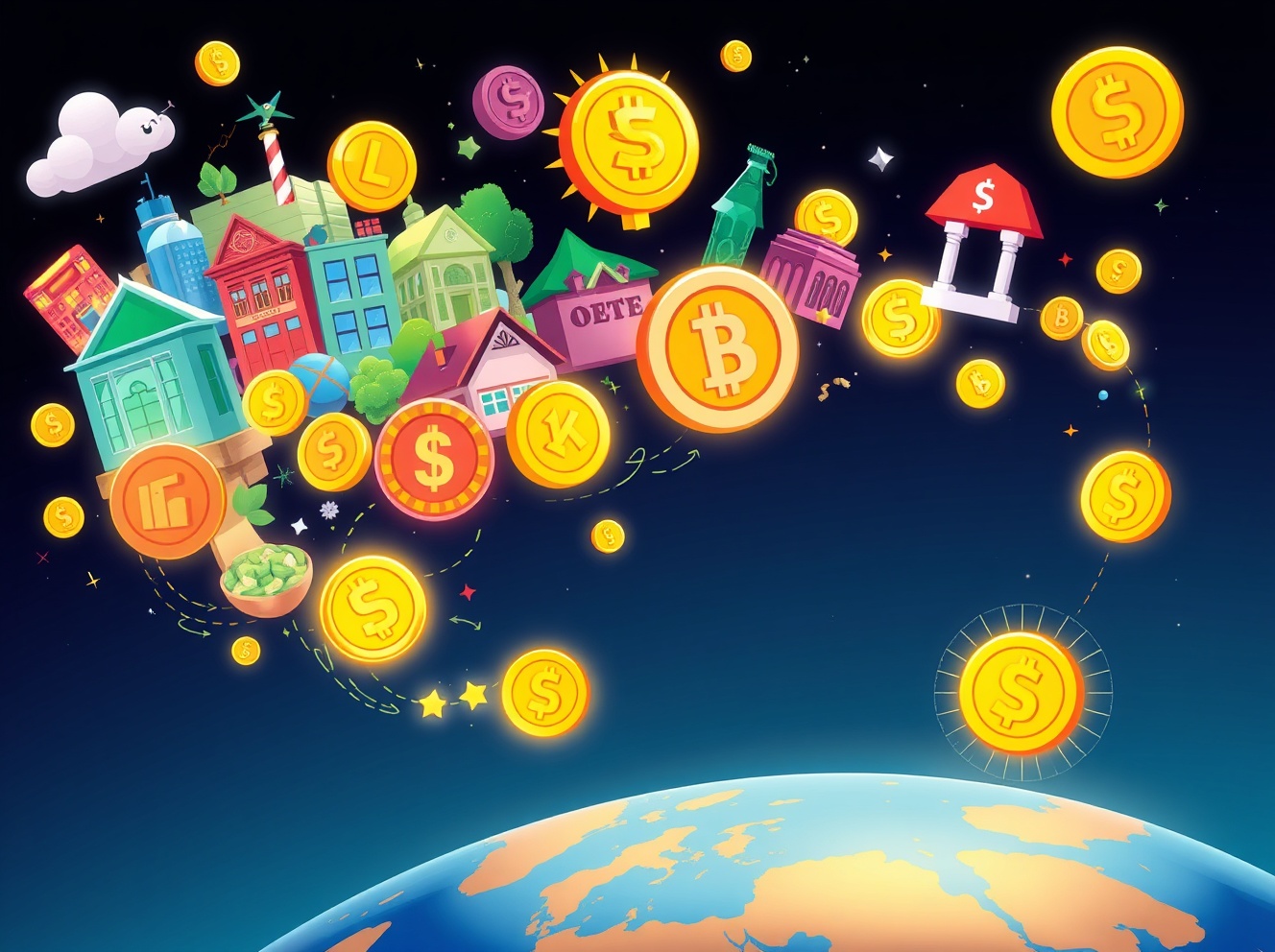
Tokenization Revolution: How Digital Assets Are Redefining Money Forever
Imagine a world where your house, your favorite stock, or even a piece of art can become as easy to send as an email. According to Kraken executive Mark Greenberg, this isn’t science fiction—it’s the imminent future of finance through tokenization. In a recent interview, he declared that the very concept of money is undergoing a radical transformation, moving beyond traditional fiat currencies. This shift promises to dismantle financial barriers that have stood for decades.
What Exactly Is Tokenization and Why Does It Matter?
At its core, tokenization is the process of converting rights to a real-world asset into a digital token on a blockchain. Think of it as creating a unique, secure digital certificate for ownership. Greenberg emphasizes that this technology allows nearly anything of value—from securities and real estate to intellectual property—to be stored and transferred instantly across platforms. This capability addresses a critical pain point in today’s financial systems: slow settlement times.
For example, traditional stock trades can take days to fully settle. Tokenization enables immediate settlement, freeing up capital and reducing risk. Greenberg argues this will overhaul a securities infrastructure that has seen little innovation in over half a century. The implications are profound, moving us from an era of localized, slow-moving value to one of global, instant asset fluidity.
How Will Tokenization Redefine Our Concept of Money?
Money has historically been defined by government-issued currency. Greenberg’s vision challenges this directly. He suggests that tokenization allows any asset to function as money if it can be reliably stored and instantly transferred. This means value is no longer confined to paper bills or bank digits.
- Universal Liquidity: Illiquid assets like real estate can be broken into tokens, allowing fractional ownership and easier trading.
- Borderless Transactions: Tokens can move across global platforms without traditional banking intermediaries.
- Programmable Value: Smart contracts can automate complex financial agreements embedded within the tokens themselves.
Therefore, the definition of money expands from ‘what a government issues’ to ‘any tokenized store of value that people trust and can exchange.’ This is the fundamental redefinition Kraken’s executive is pointing toward.
What Are the Real-World Benefits and Challenges?
The potential benefits of widespread tokenization are staggering. It promises greater financial inclusion, reduced costs, and unprecedented efficiency. However, the path forward isn’t without obstacles.
Key Benefits:
- Instant Settlement: Eliminates the traditional T+2 settlement lag for securities.
- Fractional Ownership: Makes high-value assets accessible to more investors.
- Enhanced Transparency: Blockchain provides a clear, immutable record of ownership and transaction history.
Significant Challenges:
- Regulatory Uncertainty: Governments worldwide are still grappling with how to classify and regulate tokenized assets.
- Technological Integration: Legacy financial systems need to interface with new blockchain networks.
- Market Adoption: Building trust and understanding among institutions and the public is crucial.
Overcoming these hurdles is essential for tokenization to move from a promising concept to a foundational layer of global finance.
What Does the Future Hold for Tokenized Assets?
The momentum behind tokenization is building rapidly. Major financial institutions are exploring pilot projects for tokenizing bonds, funds, and private equity. Greenberg’s perspective from Kraken, a leading crypto exchange, highlights that this isn’t a niche trend but a mainstream financial evolution.
Looking ahead, we can expect a hybrid financial system where tokenized versions of traditional assets coexist with native digital assets. The lines between different asset classes will blur, creating a more interconnected and efficient market. The ultimate promise is a financial ecosystem where value moves as freely as information does on the internet today.
In conclusion, Mark Greenberg’s insights reveal a transformative truth: tokenization is more than a technical process—it’s a philosophical shift in what we consider money. By converting static assets into dynamic digital tokens, we are building a faster, more open, and inclusive financial future. The revolution isn’t coming; it’s already here, token by token.
Frequently Asked Questions (FAQs)
Q: What is a simple definition of tokenization?
A: Tokenization is the process of creating a digital representation (a token) on a blockchain for a real-world asset, like real estate or a stock, enabling it to be traded and settled instantly.
Q: How does tokenization differ from cryptocurrency?
A: While both use blockchain, cryptocurrencies like Bitcoin are native digital assets. Tokenization involves creating digital tokens that are backed by and represent existing physical or financial assets.
Q: Is tokenized money safe?
A: Security depends on the underlying blockchain technology and custodial solutions. Blockchain offers strong cryptographic security, but users must practice safe key management and use reputable platforms.
Q: Can tokenization work with current banking systems?
A> Yes, but it requires integration. Many projects focus on creating bridges between traditional banking infrastructure and blockchain networks to facilitate the movement of tokenized assets.
Q: What assets can be tokenized?
A> Virtually any asset with clear ownership: real estate, company shares, bonds, commodities (like gold), intellectual property, and even fine art.
Q: Will tokenization make banks obsolete?
A> Not obsolete, but their role will evolve. Banks will likely become key players in custody, compliance, and as gateways between traditional finance and the new tokenized economy.
We’ve just explored how tokenization is poised to redefine the very fabric of finance. Did this article change your perspective on the future of money? If you found these insights valuable, help spread the word! Share this article on your social media channels to continue the conversation about the digital asset revolution with your network.
To learn more about the latest cryptocurrency trends, explore our article on key developments shaping blockchain technology and institutional adoption.
This post Tokenization Revolution: How Digital Assets Are Redefining Money Forever first appeared on BitcoinWorld.
You May Also Like

Fed rate decision September 2025
Bitcoin and Ethereum prices to crash after FOMC, top analyst warns
