BitcoinWorld Bitcoin Price Plummets Below $89,000: Market Reacts to Sudden Downturn Global cryptocurrency markets experienced significant turbulence today as BitcoinBitcoinWorld Bitcoin Price Plummets Below $89,000: Market Reacts to Sudden Downturn Global cryptocurrency markets experienced significant turbulence today as Bitcoin

Bitcoin Price Plummets Below $89,000: Market Reacts to Sudden Downturn
2026/01/23 17:55
6 min read
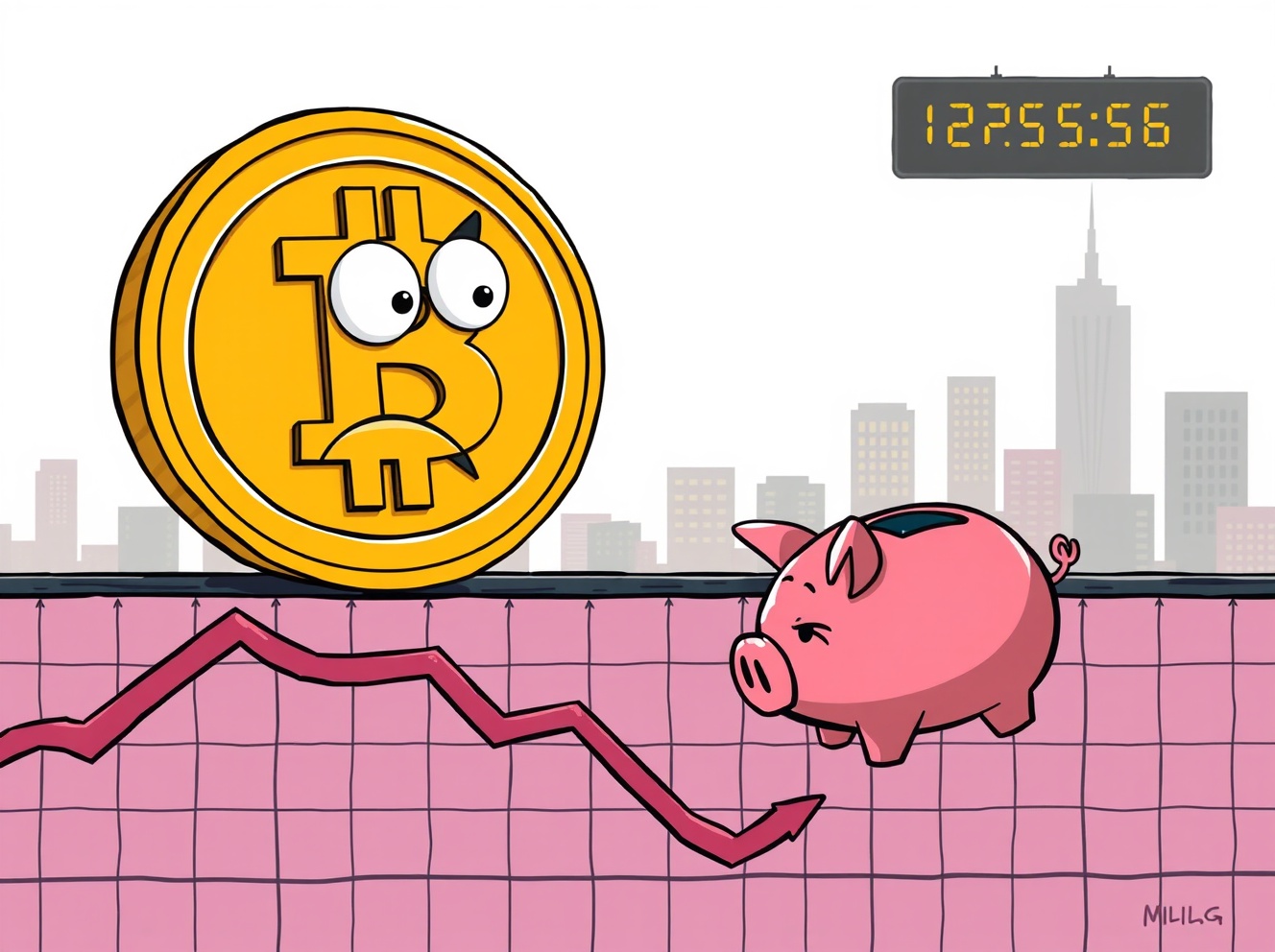
Bitcoin price volatility represented through Ghibli-style magical blockchain landscape

BitcoinWorld

Bitcoin Price Plummets Below $89,000: Market Reacts to Sudden Downturn

Global cryptocurrency markets experienced significant turbulence today as Bitcoin, the world’s leading digital asset, dropped below the crucial $89,000 threshold. According to real-time data from Bitcoin World market monitoring, BTC currently trades at $88,994.65 on the Binance USDT market. This development marks a notable shift in market sentiment following weeks of relative stability. Market analysts immediately began examining multiple contributing factors to this sudden price movement.

Bitcoin Price Movement Analysis

The descent below $89,000 represents a 3.2% decline from yesterday’s closing price. Consequently, traders witnessed increased selling pressure across major exchanges. Market depth charts show substantial liquidity removal around the $89,500 support level. Technical indicators now suggest potential testing of lower support zones. Historical data reveals similar patterns typically precede either consolidation periods or further declines.

Several exchange platforms reported above-average trading volumes during this downturn. For instance, Binance recorded a 24% increase in BTC/USDT pair transactions. Meanwhile, institutional trading desks displayed mixed activity patterns. Some market participants apparently viewed this dip as a buying opportunity. Others adopted more cautious positions pending clearer market direction signals.

Cryptocurrency Market Context

The broader digital asset market mirrored Bitcoin’s downward trajectory. Ethereum declined 2.8% to $4,320 during the same period. Altcoins generally exhibited even greater volatility percentages. Market capitalization for all cryptocurrencies dropped approximately $42 billion within hours. This synchronized movement highlights Bitcoin’s continued role as market bellwether.

Traditional financial markets showed limited correlation with today’s crypto movements. The S&P 500 remained relatively flat while gold prices increased slightly. This divergence suggests cryptocurrency-specific factors primarily drove the decline. Regulatory developments in multiple jurisdictions may have influenced investor sentiment. Additionally, macroeconomic indicators like inflation data contributed to risk assessment adjustments.

Historical Volatility Patterns

Bitcoin’s price history demonstrates regular volatility cycles. The current movement fits established patterns of correction following sustained upward trends. Previous instances show similar percentage declines often precede consolidation phases. Market analysts reference the 30-day volatility index which increased from 1.8% to 2.4% today. Historical comparisons provide context for evaluating current movements.

Recent Bitcoin Price Levels
Time PeriodPrice RangeVolatility Index
Last 24 Hours$88,994 – $92,1502.4%
Last 7 Days$88,994 – $93,4001.9%
Last 30 Days$85,200 – $94,1002.1%

Market Impact and Investor Response

Derivatives markets experienced heightened activity following the price drop. Open interest in Bitcoin futures increased by 8% across major platforms. Options trading volume surged particularly for put contracts. Funding rates on perpetual swaps turned negative on several exchanges. These metrics indicate shifting sentiment among leveraged traders.

Retail investor behavior showed distinct patterns according to exchange data. Smaller wallet addresses increased accumulation during the dip. Meanwhile, larger holders demonstrated more varied strategies. Some whale addresses transferred coins to cold storage. Others moved assets between exchanges potentially preparing for further trading.

  • Exchange Flows: Net outflow of 4,200 BTC from exchanges
  • Miner Activity: Reduced selling pressure from mining operations
  • Institutional Interest: ETF volumes remained stable despite price movement
  • Market Sentiment: Fear & Greed Index dropped from 72 to 58

Technical Analysis Perspective

Technical analysts identify several key levels for monitoring. The $88,000 zone represents immediate support based on previous consolidation. Resistance now appears around $90,500 where substantial sell orders accumulated. Moving averages provide additional context for evaluating trend strength. The 50-day MA at $87,500 could serve as stronger support if declines continue.

Chart patterns suggest potential formation of a bull flag if consolidation follows. However, breaking below $87,000 might indicate deeper correction. Volume analysis shows authentic selling rather than wash trading. Exchange transparency reports confirm legitimate market activity. These technical factors help traders assess probable scenarios.

Fundamental Factors and Network Metrics

Bitcoin’s underlying network health remains robust despite price volatility. Hash rate continues near all-time highs around 650 EH/s. Network difficulty maintains upward trajectory with next adjustment projected at +3.2%. These metrics indicate strong miner commitment regardless of short-term price movements.

On-chain analytics reveal interesting accumulation patterns. Long-term holder supply reached new highs this week. Meanwhile, exchange reserves decreased to multi-year lows. Address activity showed normal transaction volumes. These fundamental indicators suggest strong network fundamentals persist.

Regulatory Environment Considerations

Global regulatory developments continue influencing cryptocurrency markets. Recent statements from financial authorities in multiple jurisdictions created uncertainty. However, no specific regulatory announcement directly preceded today’s decline. Market participants nevertheless monitor regulatory landscapes closely. Clear frameworks typically benefit long-term adoption despite short-term volatility.

Institutional adoption metrics show continued growth despite price movements. Corporate treasury allocations increased this quarter according to public filings. Payment processor integration expanded across multiple regions. These developments suggest underlying strength beyond daily price fluctuations.

Conclusion

Bitcoin’s decline below $89,000 represents normal market behavior within volatile asset classes. The Bitcoin price movement reflects complex interactions between technical factors, market sentiment, and broader financial conditions. Historical context demonstrates similar corrections often precede consolidation phases. Market fundamentals remain strong despite short-term price volatility. Investors should consider multiple timeframes when evaluating such movements. The cryptocurrency market continues evolving with increasing institutional participation and regulatory clarity.

FAQs

Q1: What caused Bitcoin to fall below $89,000?
Multiple factors contributed including technical corrections, exchange dynamics, and broader market sentiment shifts. No single event triggered the decline, rather a combination of market forces.

Q2: How does this compare to previous Bitcoin corrections?
This 3.2% decline falls within normal volatility ranges for Bitcoin. Historical data shows similar movements occur regularly during bull and bear markets alike.

Q3: Should investors be concerned about this price drop?
Short-term volatility represents normal cryptocurrency market behavior. Long-term investors typically focus on fundamental metrics rather than daily price movements.

Q4: What support levels should traders watch now?
Immediate support appears around $88,000 with stronger support near $87,500. Resistance now sits approximately at $90,500 based on current order book data.

Q5: Has Bitcoin’s fundamental value changed with this price movement?
Network fundamentals remain strong with hash rate near record highs and increasing adoption. Price represents one metric among many for evaluating Bitcoin’s long-term value proposition.

This post Bitcoin Price Plummets Below $89,000: Market Reacts to Sudden Downturn first appeared on BitcoinWorld.

Disclaimer: The articles reposted on this site are sourced from public platforms and are provided for informational purposes only. They do not necessarily reflect the views of MEXC. All rights remain with the original authors. If you believe any content infringes on third-party rights, please contact service@support.mexc.com for removal. MEXC makes no guarantees regarding the accuracy, completeness, or timeliness of the content and is not responsible for any actions taken based on the information provided. The content does not constitute financial, legal, or other professional advice, nor should it be considered a recommendation or endorsement by MEXC.

You May Also Like

Momentous Grayscale ETF: GDLC Fund’s Historic Conversion Set to Trade Tomorrow

Momentous Grayscale ETF: GDLC Fund’s Historic Conversion Set to Trade Tomorrow

BitcoinWorld Momentous Grayscale ETF: GDLC Fund’s Historic Conversion Set to Trade Tomorrow Get ready for a significant shift in the world of digital asset investing! A truly momentous event is unfolding as Grayscale’s Digital Large Cap Fund (GDLC) makes its highly anticipated transition into a spot crypto exchange-traded fund. This isn’t just a name change; it’s a pivotal moment for the broader cryptocurrency market, bringing a new era of accessibility and institutional participation through the Grayscale ETF. What’s Happening with the Grayscale ETF Conversion? Tomorrow marks a historic day for Grayscale’s Digital Large Cap Fund (GDLC). This existing spot crypto basket is officially scheduled to begin trading under its new identity: the Grayscale CoinDesk Crypto5 ETF. This exciting development comes directly after the U.S. Securities and Exchange Commission (SEC) gave its stamp of approval to Grayscale’s application for this conversion. As Bloomberg ETF analyst Eric Balchunas highlighted, this move has been keenly watched. The approval and subsequent launch underscore a growing acceptance of crypto-backed financial products within traditional markets. For investors, this conversion of the Grayscale ETF represents a more streamlined and regulated way to gain exposure to a diversified basket of large-cap digital assets. Why is the Grayscale ETF a Game-Changer for Investors? The conversion of GDLC into a Grayscale ETF offers several compelling benefits, fundamentally changing how investors can access the crypto market. Firstly, ETFs are known for their ease of trading. They can be bought and sold on traditional stock exchanges, just like company shares, making them incredibly accessible to a wider range of investors who might be hesitant to directly hold cryptocurrencies. Consider these key advantages: Enhanced Accessibility: Investors can gain exposure to a diversified crypto portfolio without needing to set up crypto wallets or manage private keys. Increased Liquidity: Trading on major exchanges typically means higher liquidity, allowing for easier entry and exit points. Regulatory Oversight: As an SEC-approved product, the Grayscale ETF operates under a regulated framework, potentially offering greater investor protection and confidence. Diversification: The Grayscale CoinDesk Crypto5 ETF tracks a basket of large-cap cryptocurrencies, offering immediate diversification rather than exposure to a single asset. This development is a strong indicator of the maturation of the digital asset space. It signals a bridge between the innovative world of crypto and the established financial system. Navigating the New Grayscale ETF Landscape While the launch of the Grayscale CoinDesk Crypto5 ETF brings exciting opportunities, it’s also important for investors to understand its implications. The shift from a closed-end fund structure (GDLC) to an open-ended ETF means that the fund’s shares can now be created and redeemed daily. This mechanism helps keep the ETF’s market price closely aligned with the net asset value (NAV) of its underlying holdings. Historically, closed-end funds like GDLC could trade at significant premiums or discounts to their NAV. The ETF structure is designed to mitigate these discrepancies, providing a more efficient pricing mechanism. This change offers a more transparent and potentially less volatile investment experience for those looking to invest in a Grayscale ETF. What’s Next for Crypto ETFs and Grayscale? The successful conversion and launch of the Grayscale CoinDesk Crypto5 ETF could pave the way for similar transformations of other Grayscale products. It also sets a precedent for how existing crypto investment vehicles might evolve to meet market demand for regulated, accessible products. The increasing number of spot crypto ETFs, including this new Grayscale ETF, reflects a growing institutional appetite for digital assets. This trend suggests a future where cryptocurrency investing becomes an even more integrated part of mainstream financial portfolios. As regulatory clarity continues to improve, we can anticipate further innovation and expansion in the crypto ETF landscape, offering investors diverse options to participate in the digital economy. The launch of the Grayscale CoinDesk Crypto5 ETF is more than just a new product; it’s a testament to the persistent efforts to bring digital assets into the mainstream financial fold. By offering a regulated, accessible, and diversified investment vehicle, Grayscale is not only expanding opportunities for investors but also reinforcing the legitimacy and staying power of the crypto market. This momentous step truly reshapes the investment landscape, making it easier for a broader audience to engage with the exciting potential of cryptocurrencies through a trusted Grayscale ETF. Frequently Asked Questions (FAQs) What is the Grayscale CoinDesk Crypto5 ETF? The Grayscale CoinDesk Crypto5 ETF is the new name and structure for Grayscale’s former Digital Large Cap Fund (GDLC). It’s a spot crypto basket that holds a diversified portfolio of large-cap digital assets, now trading as an exchange-traded fund. When will the Grayscale ETF begin trading? The Grayscale CoinDesk Crypto5 ETF is scheduled to begin trading tomorrow, following its approval by the U.S. Securities and Exchange Commission (SEC). How does an ETF differ from the previous GDLC fund? As an ETF, the fund’s shares can be created and redeemed daily, which helps keep its market price closely aligned with the value of its underlying assets. The previous GDLC fund was a closed-end fund that could trade at significant premiums or discounts to its net asset value. What are the benefits of investing in the Grayscale ETF? Benefits include enhanced accessibility (trading on traditional exchanges), increased liquidity, regulatory oversight by the SEC, and immediate diversification into a basket of large-cap cryptocurrencies. Is the Grayscale ETF suitable for all investors? While the Grayscale ETF offers a regulated and accessible way to invest in crypto, all investments carry risks. Investors should conduct their own research and consider their financial goals and risk tolerance before investing in any ETF, including this Grayscale ETF. Did you find this article informative? Share this exciting news about the Grayscale ETF conversion with your friends, family, and fellow investors on social media to keep them informed about the latest developments in the crypto world! To learn more about the latest crypto market trends, explore our article on key developments shaping Bitcoin and Ethereum price action. This post Momentous Grayscale ETF: GDLC Fund’s Historic Conversion Set to Trade Tomorrow first appeared on BitcoinWorld.
Share
Coinstats2025/09/19 17:45
The UA Sprinkler Fitters Local 669 JATC – Notice of Privacy Incident

The UA Sprinkler Fitters Local 669 JATC – Notice of Privacy Incident

Landover, Maryland, February 6, 2026– The UA Sprinkler Fitters Local 669 Joint Apprenticeship and Training Committee (“JATC”) is providing notice of an event that
Share
AI Journal2026/02/07 07:30
Vitalik Buterin Reveals Ethereum’s (ETH) Future Plans – Here’s What’s Planned

Vitalik Buterin Reveals Ethereum’s (ETH) Future Plans – Here’s What’s Planned

The post Vitalik Buterin Reveals Ethereum’s (ETH) Future Plans – Here’s What’s Planned appeared on BitcoinEthereumNews.com. Ethereum founder Vitalik Buterin presented the network’s new roadmap, which includes its short-, medium-, and long-term goals, at the Developer Conference held in Japan today. Scalability, cross-layer compatibility, privacy, and security were the prominent topics in Buterin’s speech. Buterin stated that the short-term focus will be on increasing gas limits on the Ethereum mainnet (L1). He said that tools such as block-level access lists, ZK-EVMs, gas price restructuring, and slot optimization will be used in this context. The goal is to maintain the network’s decentralization while increasing scalability. The medium-term goal is to enable trustless asset transfers between Layer-2 (L2) networks and achieve faster transaction finality. In this context, “Stage 2 Rollup” solutions, proof-of-conduct combinations, and optimizations for reading data from L1 are on the agenda. Furthermore, network optimizations such as shortening slot times, fast finality protocols, and erasure coding are planned to improve user experience and security. Buterin emphasized that privacy is a priority for both the short and medium term. Zero-knowledge (ZK) proofs, anonymous pools, encrypted voting, and scrambling network solutions are highlighted to protect the privacy of users’ on-chain payments, voting, DeFi transactions, and account changes. Furthermore, secure execution environments, secret query techniques, and the ability to conceal fraudulent requests and data access patterns are also targeted when reading data from the chain. Buterin’s long-term vision highlights a minimalist, secure, and simple Ethereum. This roadmap includes resistance to the risks posed by quantum computers, securing the protocol with mathematical methods (formal verification), and transitioning to ideal cryptographic solutions. Buterin stated that these strategic steps will transform Ethereum into a more scalable, user-friendly, and secure infrastructure. With the strengthening of L2 networks, more users will be able to use Ethereum with less trust assumptions. The ultimate goal is for Ethereum to become a reliable foundational infrastructure for global…
Share
BitcoinEthereumNews2025/09/18 15:57