

Changpeng Zhao Severs Digital Tie: Binance Founder Unfollows Solana’s Yakovenko After Critical Post

BitcoinWorld
Changpeng Zhao Severs Digital Tie: Binance Founder Unfollows Solana’s Yakovenko After Critical Post
In a move that reverberated across the cryptocurrency community, Binance founder Changpeng Zhao, commonly known as CZ, unfollowed Solana co-founder Anatoly Yakovenko on the social media platform X on October 11, 2025. This decisive action followed Yakovenko’s public sharing of a post that placed blame on Binance for a significant market downturn. The incident, first reported by PA News, provides a stark window into the complex interpersonal and competitive dynamics shaping the digital asset industry. Furthermore, it underscores how social media interactions between industry titans can signal deeper market sentiments and rivalries.
Changpeng Zhao Takes Action on X
The catalyst for this digital severance was a specific post shared by Anatoly Yakovenko. On October 10, 2025, the cryptocurrency market experienced a sharp, rapid decline—a phenomenon traders describe as a flash crash. Subsequently, OKX founder Xu Mingxing published an analysis on X attributing primary responsibility for the crash to trading activities and liquidity issues related to Binance, the world’s largest cryptocurrency exchange by volume. Yakovenko’s decision to share Xu’s critical post placed him publicly in alignment with its contentious viewpoint. Consequently, CZ’s response was swift and unambiguous: he removed Yakovenko from his list of followed accounts. This sequence of events highlights the immediate and visible consequences of public criticism in the tightly-knit crypto leadership circle.
Anatomy of the October 2025 Flash Crash
To understand the context, one must examine the market conditions preceding the social media fallout. The flash crash on October 10, 2025, saw the aggregate market capitalization of digital assets drop by approximately 12% within a 90-minute window. Major assets like Bitcoin (BTC) and Ethereum (ETH) led the decline. However, Solana (SOL) and several other altcoins experienced even steeper losses. Market data from that period shows a cascade of liquidations on leveraged derivative products. Notably, these liquidations exceeded $800 million across major exchanges. Analysts from firms like CoinMetrics and CryptoQuant later identified a large sell order on a BTC perpetual futures pair as a potential trigger. While the order originated on an undisclosed platform, its effects propagated instantly across all connected liquidity pools.
| Key Metric | Data Point (Oct 10, 2025) |
|---|---|
| Total Market Cap Drop | ~12% |
| Duration of Core Decline | 90 minutes |
| Total Liquidations | $800M+ |
| Bitcoin Price Decline | ~9.5% |
| Solana Price Decline | ~15.2% |
Industry experts quickly debated the root cause. Some pointed to macroeconomic pressures, while others, like Xu Mingxing, focused on exchange-specific order book dynamics. This divergence in analysis set the stage for the ensuing public disagreement.
Expert Analysis of Exchange Dynamics
Market structure specialists emphasize that no single entity typically causes a broad flash crash. Dr. Laila Chen, a former CFTC analyst and current head of research at Blockchain Transparency Institute, explains the mechanics. “High-frequency trading bots and cross-exchange arbitrage algorithms create a deeply interconnected system,” Chen states. “A large sell order on any major venue can create a temporary liquidity vacuum. Subsequently, automated systems amplify the move as they race to hedge positions. Therefore, attributing blame to one exchange often oversimplifies a complex electronic event.” This expert perspective suggests that while Binance’s vast liquidity pool is a central market node, it operates within a global network of automated traders.
The History of CZ and Anatoly Yakovenko’s Relationship
The unfollowing event gains deeper significance when viewed against the historical relationship between the two founders. Previously, CZ and Yakovenko maintained a publicly cordial and mutually supportive professional relationship. For instance, Binance was an early supporter of the Solana ecosystem, listing SOL token in 2020 and featuring it in various initiatives. Moreover, both leaders have participated in joint interviews and panels, discussing blockchain scalability and adoption. Their interaction symbolized a degree of collaboration between the centralized exchange (CEX) and decentralized platform (Solana) sectors. However, underlying tensions have existed for years, primarily revolving around market share, technological philosophy, and regulatory positioning. The flash crash and the shared criticism acted as a catalyst, bringing these subdued tensions to the surface in a very public manner.
- 2019-2021: Period of collaboration; Binance lists SOL and promotes its ecosystem.
- 2022: Solana’s network outages draw quiet criticism from exchange executives about reliability.
- 2024: Binance launches its own dedicated blockchain, BNB Chain, becoming a more direct competitor in the smart contract platform space.
- 2025: Regulatory pressures increase, forcing exchanges and protocols to sometimes adopt opposing lobbying stances.
Implications for the Cryptocurrency Industry
This incident extends beyond personal drama. It reflects several critical trends within the digital asset industry as of late 2025. First, it demonstrates the immense power of social media as a real-time communication and signaling channel for industry leaders. A simple ‘unfollow’ can generate more headlines and analysis than a formal press release. Second, it highlights the fragile nature of alliances in a hyper-competitive and fast-evolving market. Partnerships formed during bull markets can strain under the pressure of market downturns and blame attribution. Finally, the event underscores the ongoing centralization of discourse. A small group of founders and CEOs wield significant influence over market narratives, especially during periods of volatility. Their public disagreements can therefore exacerbate uncertainty among retail investors and traders.
The Role of X in Crypto Governance
Platforms like X have evolved into de facto boardrooms for the crypto industry. Policy announcements, technical debates, and corporate disagreements frequently play out in the open. This transparency has benefits, such as community engagement. However, it also carries risks of misinterpretation and escalation. The CZ-Yakovenko incident is a prime example of a nuanced professional disagreement being amplified into a public spectacle. Consequently, it may encourage other leaders to handle sensitive discussions through more private channels in the future.
Conclusion
The decision by Changpeng Zhao to unfollow Anatoly Yakovenko on X is a multifaceted event rooted in a specific market crisis. It connects the technical reality of a cryptocurrency flash crash to the human dynamics of industry leadership. While ostensibly a minor social media action, it symbolizes shifting alliances and heightened tensions within the competitive digital asset landscape. The episode serves as a reminder that in the world of cryptocurrency, market movements and personal networks are deeply intertwined. As the industry matures, the communication strategies of its most prominent figures will continue to be a critical area for observation and analysis.
FAQs
Q1: What specifically did Anatoly Yakovenko share that caused CZ to unfollow him?
Anatoly Yakovenko shared a post by OKX founder Xu Mingxing that attributed primary responsibility for the October 10, 2025, cryptocurrency flash crash to Binance’s trading activities and liquidity management.
Q2: Was Binance definitively the cause of the October 2025 flash crash?
Market analysts state that flash crashes are complex events rarely caused by a single entity. While a large sell order may have triggered the downturn, automated trading systems across the global network of exchanges likely amplified the move. Direct, sole attribution to Binance is contested by many experts.
Q3: Have Binance and Solana worked together in the past?
Yes, historically, Binance and Solana had a collaborative relationship. Binance listed the SOL token early and supported its ecosystem development. However, the launch of Binance’s own BNB Chain and increasing market competition have changed the dynamic over time.
Q4: Does an ‘unfollow’ on X have any real business impact?
While not a formal business action, it serves as a powerful public signal within the industry. It can influence community perception, indicate cooling relations between organizations, and affect market sentiment regarding the involved projects.
Q5: How common are public disagreements like this among crypto founders?
Public disagreements and debates are relatively common, given the industry’s culture of open discourse on social media. However, a direct and personal action like a public unfollow following criticism from a former ally is a notable and less frequent escalation.
This post Changpeng Zhao Severs Digital Tie: Binance Founder Unfollows Solana’s Yakovenko After Critical Post first appeared on BitcoinWorld.
You May Also Like

Three dormant wallets, suspected to belong to the same entity, purchased 5,970 ETH eight hours ago.
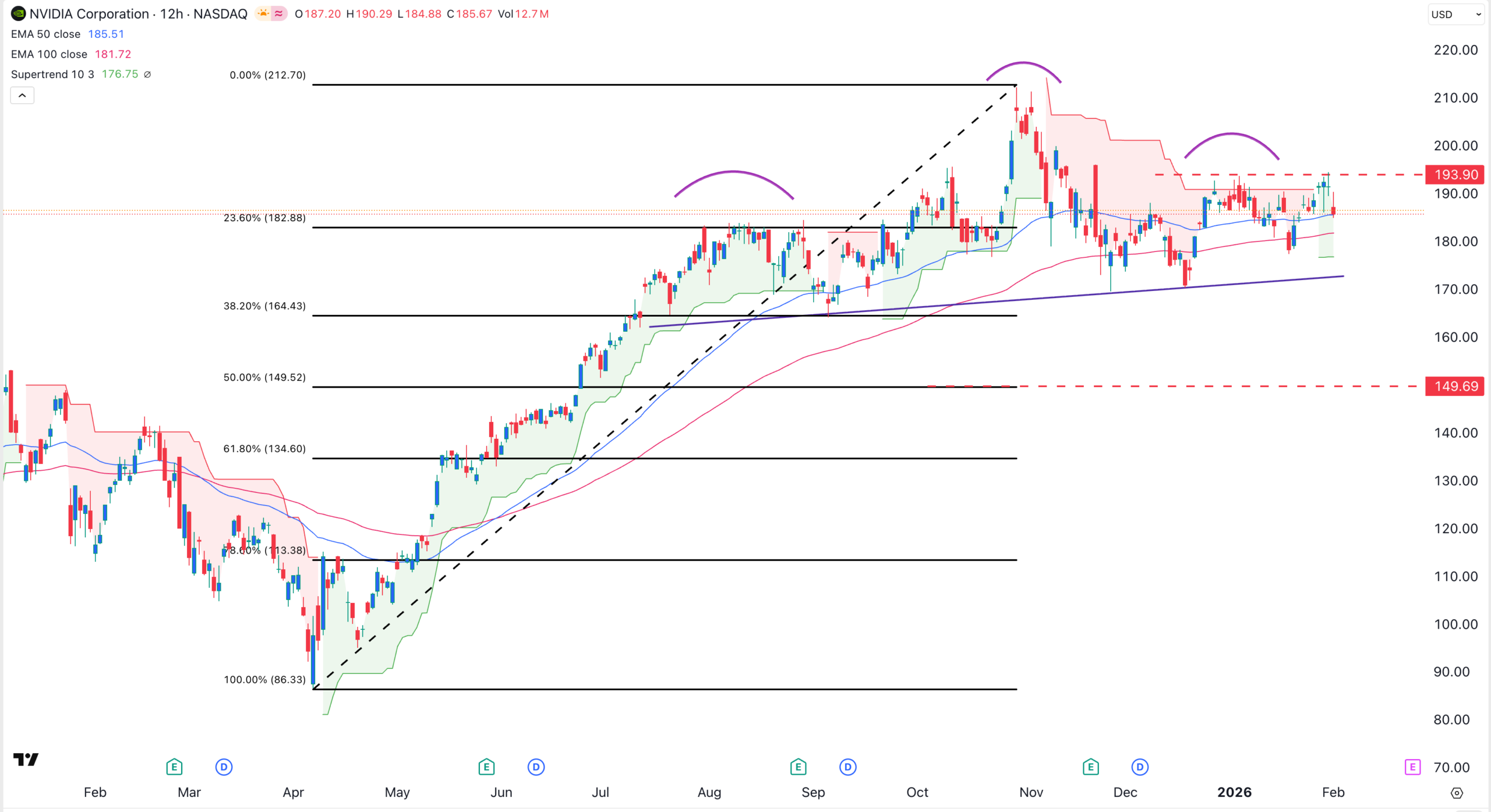
NVIDIA Stock Price Analysis as OpenAI Issues Concerns About its Chips
