

Five key indicators to analyze Bitcoin's bottom; is it time to buy?
By Mach, Forestight News
Wintermute stated last week that $85,000 was a key level for BTC and that it would choose a direction soon. Unfortunately, the direction was not upward but downward.
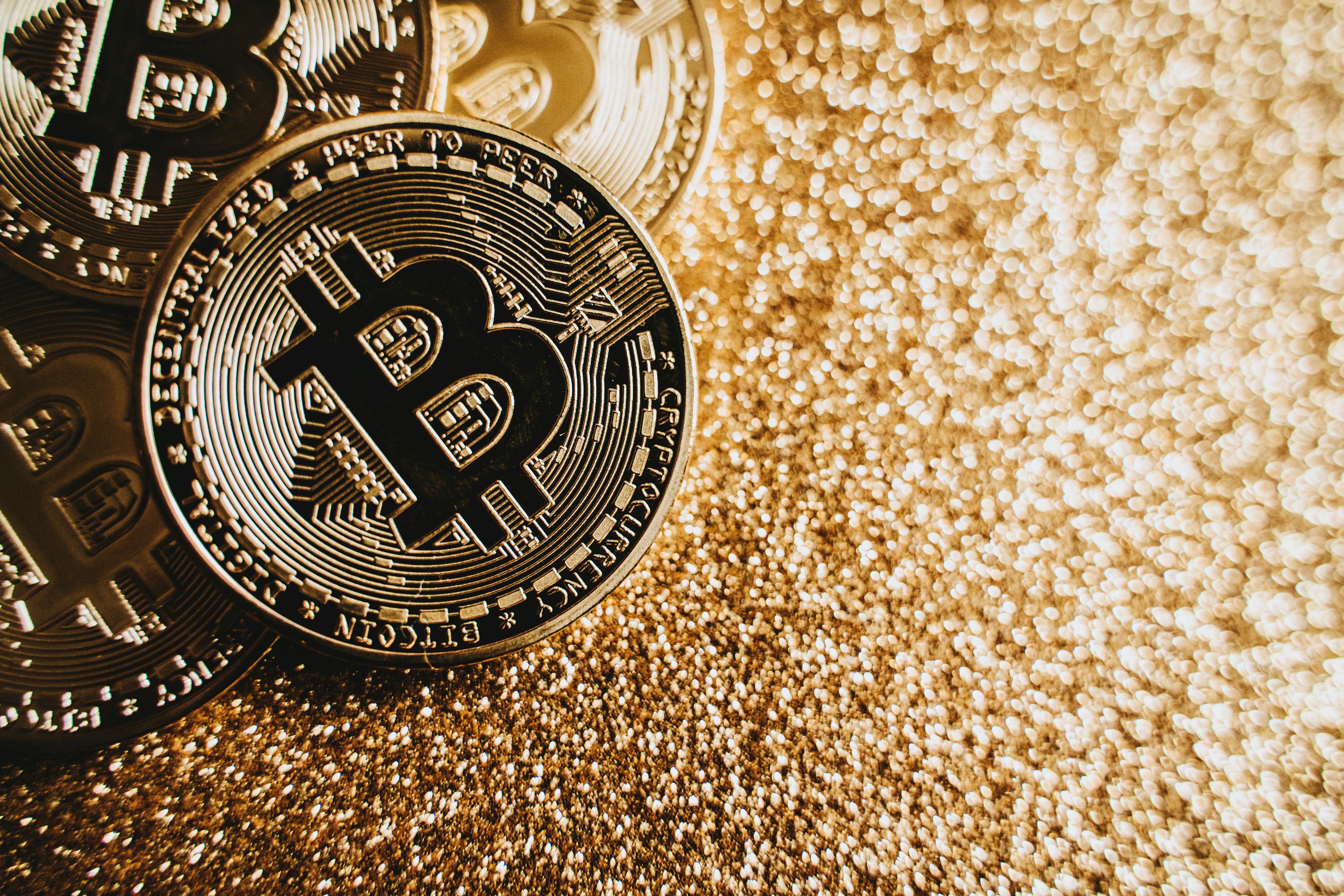
On February 2nd, BTC briefly dipped to $75,700, ETH dipped to $2,220, and a number of altcoins continued to decline. Regarding liquidation data, according to Coinglass, $435 million was liquidated in the past 12 hours, with long positions accounting for $324 million.
The market fear index is at 15, indicating that market sentiment has once again fallen into extreme panic.
After the market turned bearish, where exactly is the bottom range for BTC? Five key data indicators will reveal the answer.
Data survey: 30% of users believe the bottom range for BTC is between $60,000 and $75,000.
On January 30th, Foresight News conducted an investor market confidence survey. At the time of the survey, the price of BTC was $84,000, and it subsequently fell sharply in the following days; therefore, the survey results are for reference only.
A poll (1189 participants) showed that the majority of respondents (45.6%) believed that the bottom price of BTC in 2026 would be between $75,000 and $85,000. Another 30.2% of respondents believed the bottom price would be between $60,000 and $75,000.
44% of respondents believe 2026 will be a bear market, while 35.3% disagree, believing it will not. Another 20.6% are unsure.
Nearly half of the respondents (47.2%) chose to invest in Bitcoin regularly and hold it for the long term. Another 25% of respondents chose to liquidate their holdings and switch to stablecoin investments or wait and see what happens in the market. 17.5% of respondents sought out altcoins for value investing.
Currently, among the respondents in the poll, 31% indicated that they have almost cleared their positions but are still looking for opportunities to buy at the bottom. 29% of respondents said they did not sell any of their previous holdings but are not adding to their positions for the time being, and want to find opportunities to reduce their holdings. 21% of respondents said they did not sell any of their previous holdings and have already started adding to their positions.
GlassNode shows the total on-chain cost of BTC is $55,900.
Bitcoin fell below $78,000. Glassnode updated the key on-chain price distribution of Bitcoin as follows: STH (Short-Term Holder) cost basis, reflecting the average holding price of new buyers/traders in recent months, is $95,400.
The average investment amount of active investors, and the average holding cost of current "on-the-ground" traders, is $87,300; the real market average, focusing on the cost of actual traders in the secondary market, is $80,500. The transaction price, representing the average cost basis of all coins in the entire network, is $55,900.
This means that if the price of BTC is below $80,500, your purchase price is lower than the cost price of other recent traders. If BTC falls below $55,900, it means that your purchase price is lower than the average cost of the entire network.
During the 2022 bear market, the price of Bitcoin (BTC) once fell below the average cost basis of the entire network. In this current cycle, influenced by factors such as macro liquidity and spot ETFs, it remains to be seen whether BTC will fall below $55,900.
The ahr999 indicator shows a bullish signal.
The ahr999 indicator, invented years ago by Weibo user ahr999, is used to assess the deviation between short-term returns and price of Bitcoin. The formula is (current price / 200-day dollar-cost averaging cost) × (current price / exponential growth valuation), where the exponential growth valuation is based on a fitted curve of historical prices and block heights, representing the long-term "fair value." Historical experience shows that: ahr999 < 0.45 indicates a low-price buying zone; 0.45-1.2 is suitable for dollar-cost averaging; and > 1.2 indicates a high-price zone.
On February 1, 2026, ahr999 fell below 0.45 for the first time, marking the first such occurrence in 839 days since October 16, 2023, signaling a potential market bottom. This current drop below the threshold suggests that the BTC price is significantly below long-term growth expectations, similar to the end of the 2023 bear market. This signal strongly suggests buying the dip, but confirmation of a rebound with trading volume is needed to avoid false breakouts. Bottom-fishing strategy: If ahr999 stabilizes below 0.45, consider buying in batches below $76,000, with a target of reducing positions when it rises above 1.20.
Willy Woo's indicator shows that BTC has a strong support level of $45,000.
The CVDD model, developed by renowned analyst Willy Woo, posits that when Bitcoin moves from an investor who bought it for $1 to a new investor who buys it for $100,000, the new investor values these Bitcoins at a higher floor price. This helps to increase the perceived floor price of the entire Bitcoin supply globally. Active custody rotation (i.e., frequent transfers of Bitcoin between different investors or custodians) may also indicate that investors highly value these Bitcoins.
When numerous whales transfer BTC to new Bitcoin wallet addresses, the market bottom price rises.
The price of BTC has never fallen to the red line (CVDD model). Currently, the CVDD indicator shows a strong support level of approximately $45,000. In previous cycles, BTC has fallen below the yellow line in the chart, currently ranging from $53,000 to $56,000.
Strategy's Bitcoin cost price was $76,000.
As of February 2, Strategy, a well-known Bitcoin hoarder, held a total value of approximately $54.2 billion, comprising 712,647 BTC, with an average holding cost of approximately $76,040.
Historically, the lower end of its average cost range has been the bottom range. Placeholder partner Chris previously stated that $74,000 to $76,000 is a price level that deserves close attention.
You May Also Like

South Korea Launches Innovative Stablecoin Initiative

Vitalik Buterin Questions the Continued Relevance of Ethereum’s Layer 2 Solutions

