

Can ai disaster response turn Asia’s crisis management from pilots to practice?
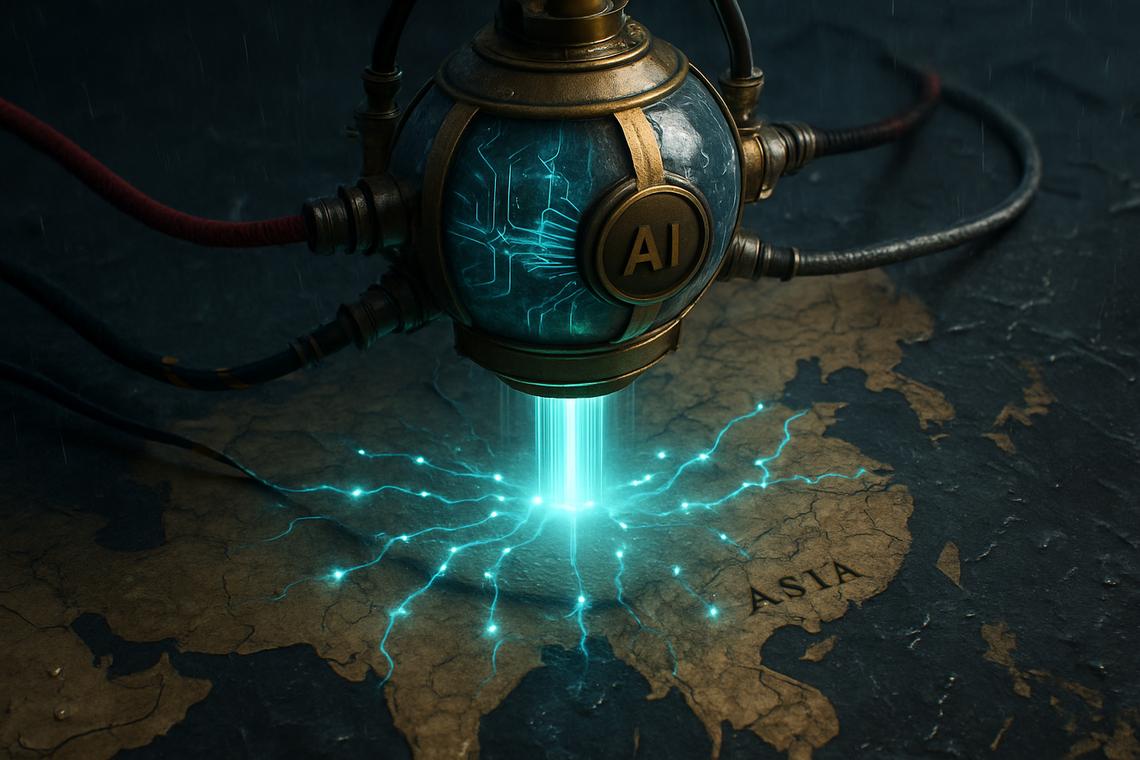
Across Asia, governments and nonprofits are starting to turn ai disaster response innovation into practical tools that support frontline decision-making during major crises.
AI Jam brings disaster leaders together in Bangkok
In Bangkok today, OpenAI convened 50 disaster management leaders from across Southeast and South Asia for its first AI Jam for Disaster Management professionals, held with the Gates Foundation, the Asian Disaster Preparedness Center (ADPC) and DataKind.
Participants from 13 countries—Bangladesh, India, Indonesia, Lao PDR, Malaysia, Myanmar, Nepal, Pakistan, Philippines, Sri Lanka, Thailand, Timor Leste and Vietnam—represent government agencies, multilateral organizations and non-profits. Many work directly on the ground, coordinating information flows, supporting affected communities and making time-critical decisions when disasters strike.
At the center of the Jam was a simple but urgent question: Can AI help in disaster response and recovery so that institutions react faster and more effectively when lives are at stake? Moreover, the event aimed to move beyond theoretical interest and into concrete, operational use cases.
From experimentation to operational AI for countries
This initiative builds on the expansion of the OpenAI for Countries Program announced at Davos. At its core, the effort is about helping institutions move past experimentation and embed artificial intelligence into the operational challenges they face every day across Asia.
Disaster response teams often operate with severe constraints: fragmented data, manual processes and limited infrastructure are common. However, these constraints can slow coordination and delay critical decisions, especially during rapidly evolving crises where access to timely, reliable information is essential.
Many of the organizations attending the Jam are already testing how humanitarian AI solutions could streamline their workflows. That said, they are also focused on making sure new tools integrate smoothly with existing systems and support, rather than replace, local expertise.
Asia remains the world’s most disaster-prone region
The urgency behind this work continues to grow. In the second half of last year, a series of typhoons and severe storms across South and Southeast Asia disrupted communities and pushed disaster response systems to their limits, exposing gaps in data, coordination and surge capacity.
Asia remains the world’s most disaster-prone region, accounting for an estimated 75% of people affected by disasters globally. Moreover, the World Bank estimates that disasters have cost ASEAN countries more than $11 billion in previous years, underlining the scale of both human and economic impacts.
In parallel, people are changing how they seek information and support during emergencies. As mobile connectivity and digital tools spread, communities increasingly turn to online channels and conversational interfaces when traditional sources are overloaded or disrupted.
How people already use AI during major storms
Recent cyclones in Asia highlight this shift. During Cyclone Ditwah in Sri Lanka, internal data showed a 17× increase in cyclone-related messages on ChatGPT, indicating that many people already use AI systems to access information and guidance during crises.
In November 2025, during Cyclone Senyar in Thailand, message volume on the same platform rose 3.2× compared with the preceding months. However, these spikes point not only to growing demand for AI tools, but also to an opportunity to align them more closely with official disaster communication and field operations.
For response agencies, this pattern suggests that more structured ai emergency communication strategies could help deliver consistent, trusted information through the channels people already favor during emergencies.
Inside the AI Jam: from custom GPTs to field workflows
The Bangkok Jam focused on turning that opportunity into concrete capabilities. Participants worked side by side with OpenAI mentors to identify practical ways that ai in disaster response could support their daily tasks, from early warning to recovery planning.
Rather than start from scratch, teams explored building custom GPTs for responders and reusable workflows that can be applied across different scenarios. Moreover, they looked at how these tools could support situation reporting, needs assessments, public communication and other routine processes that often become bottlenecks during major disasters.
The sessions also emphasized responsible use, transparency and safeguards. That said, a major focus was on building institutional trust so that staff feel confident using new systems in high-stakes environments where errors can have serious consequences.
Voices from partners driving AI adoption
Sandy Kunvatanagarn, Head of Public Policy at OpenAI, framed the Jam as a way to bridge the gap between technical potential and field reality. According to Kunvatanagarn, there is strong momentum and interest in AI across Asia, but the real opportunity lies in turning that energy into practical capability.
By working directly with disaster-response professionals, the team aims to ensure that tools are useful, accessible and grounded in real operational needs. Moreover, this direct engagement helps surface risks, limitations and training requirements early, before systems are rolled out at scale.
Dr. Valerie Nkamgang Bemo, Deputy Director, Emergency Response at the Gates Foundation, stressed that equipping people closest to communities with skills to harness digital tools and emerging technologies is one of the most powerful investments in preparedness and response.
Strengthening analytics and early warning with ADPC
Mr. Aslam Perwaiz, Executive Director at ADPC, highlighted how artificial intelligence is opening new possibilities for understanding and responding to disasters. ADPC already integrates AI into geospatial tools and risk analytics to transform satellite and earth observation data into actionable insights.
Perwaiz noted that initiatives like the AI Skills Jam could improve AI literacy and empower practitioners to develop their own solutions to complex disaster challenges. However, he also underscored the importance of combining advanced models with regional expertise and long-standing partnerships.
By pairing algorithmic analysis with local knowledge, ADPC and its partners aim to strengthen early warning systems, improve risk mapping and support faster, more informed decision-making for communities and governments across the region.
Next steps: from prototypes to real-world deployments
Together with partners, OpenAI is now exploring a second phase of work in the coming months, focused on pilot deployments and deeper technical collaboration with participating organizations throughout Asia. This next stage will test how well new tools integrate into existing workflows.
As these pilots move forward, the goal is to build and refine disaster management AI tools that can be trusted in the field. Moreover, the teams plan to capture lessons learned so that successful approaches can be adapted and reused by additional agencies across other regions.
Ultimately, initiatives like the AI Jam show how ai disaster response solutions can evolve from experimentation into everyday infrastructure, helping communities prepare for, withstand and recover from disasters more effectively over time.
In summary, by uniting regional expertise, philanthropic support and technical innovation, Asia’s disaster-response community is beginning to turn AI’s potential into operational capability, laying the groundwork for faster, smarter and more inclusive crisis management.
You May Also Like

GBP trades firmly against US Dollar

iLink Digital at FabCon Signals Shift to Real-Time AI Execution


