Hot Wallets vs Cold Storage: Balancing Convenience And Security
Cryptsy - Latest Cryptocurrency News and Predictions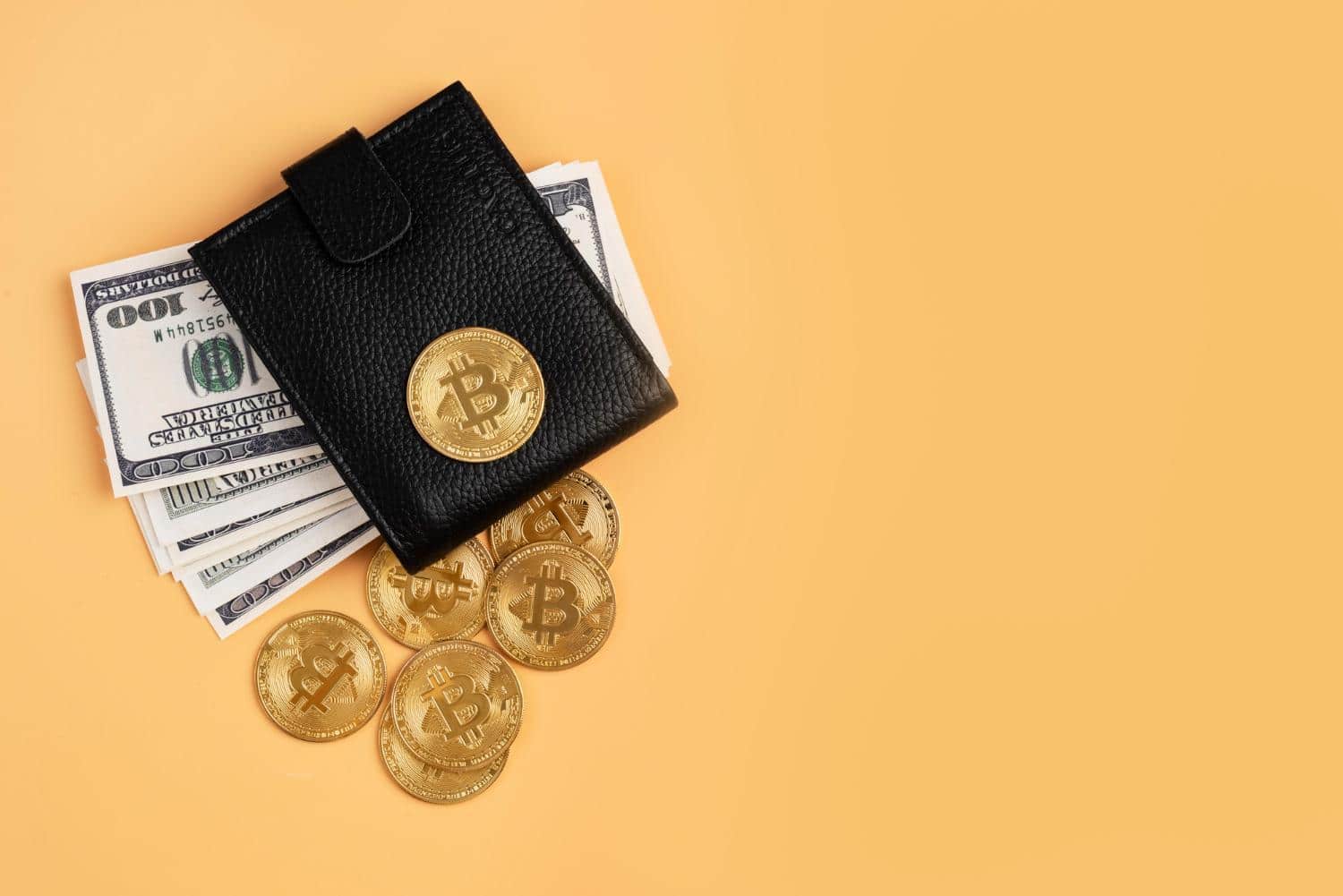
Cryptsy - Latest Cryptocurrency News and Predictions - Experts in Crypto Casinos
How do you keep your digital wealth safe without locking it away so tightly that you can never use it? This is the fundamental dilemma facing every cryptocurrency investor in 2026. As digital assets move from speculative novelties to everyday financial tools, the question of storage has evolved from a simple technical choice into a critical component of personal finance. The days of leaving coins on an exchange and hoping for the best are largely behind us, replaced by a more nuanced approach to custody that balances immediate accessibility with impenetrable security.
Understanding The Core Differences In Wallet Connectivity
At its most basic level, the distinction between hot and cold wallets comes down to a single factor: internet connectivity. Hot wallets are software-based solutions that remain perpetually connected to the blockchain network. They live on devices we use every day, such as smartphones, laptops, or web browser extensions. This connectivity acts as a bridge, allowing the wallet to broadcast transactions to the network instantly. Think of a hot wallet as the digital equivalent of the physical wallet in your pocket or a checking account; it is designed for movement, spending, and active management rather than long-term accumulation.
In contrast, cold storage represents the digital equivalent of a buried steel vault. These are typically hardware devices—often resembling USB drives—that store your private keys entirely offline. Because the device is not connected to the internet, it is effectively invisible to remote hackers. When a user wants to make a transaction, they must physically connect the device to a computer, sign the transaction within the secure environment of the hardware, and then broadcast the signed data. This “air gap” ensures that even if the computer used to initiate the transfer is infected with malware, the private keys themselves are never exposed to the compromised system.
Why Hot Wallets Suit Frequent Traders And Spenders
For the active participant in the crypto economy, hot wallets are not just a convenience; they are an operational necessity. The primary advantage of a hot wallet is its ability to interact seamlessly with the broader Web3 ecosystem. Whether a user is swapping tokens on a decentralized exchange, buying NFTs, or making peer-to-peer payments, the friction must be minimal. Software wallets prioritize user experience, often integrating biometric security like FaceID to replace cumbersome passwords, making the process of signing a transaction as easy as sending a text message.
This speed is particularly vital for users who engage with time-sensitive opportunities. In a market where asset prices can fluctuate by double-digit percentages in minutes, the ability to execute a trade instantly is worth the marginally higher security risk. Furthermore, software wallets are the preferred tool for low-latency activities where users need to interact with third-party platforms instantly. For instance, this constant connectivity is essential for quickly accessing dApps or redeeming offers like bitcoin casino bonus codes on various online platforms, where being able to deposit effortlessly allows instant access to games. Without the “always-on” nature of a hot wallet, these interactions would become tedious, requiring a physical device connection for every single micro-interaction.
Cold Storage Remains The Gold Standard For HODLing
While hot wallets win on usability, cold storage remains the undisputed king of asset preservation. For investors with significant capital, the risk of an online exploit is simply unacceptable. This has led to a flight to safety, particularly among institutional investors and high-net-worth individuals who treat Bitcoin and other assets as multi-generational wealth. The philosophy here is simple: if the keys are offline, they cannot be phished, key-logged, or extracted by a remote attacker. This peace of mind is the primary driver behind the hardware wallet industry’s continued expansion.
The market data reflects this shift toward security-first thinking. As more individuals realize the permanence of blockchain transactions—where there is no “undo” button—the demand for hardware solutions has accelerated. Industry reports project that the cold wallet segment is anticipated to grow at a 28.3% CAGR during the forecast period, driven largely by increasing security concerns and the demand for offline asset protection. This growth is not just about paranoia; it is a rational response to the systemic risks observed in the centralized exchange collapses of the past few years.
However, cold storage is not without its own unique set of risks that users must mitigate. The danger shifts from digital theft to physical loss. If a hardware wallet is destroyed in a fire, or if the paper backup of the seed phrase is thrown away by accident, the funds are irretrievable. Unlike a bank account where a manager can reset a password, cold storage enforces absolute self-sovereignty. This responsibility is heavy, leading many users to purchase fireproof steel capsules for their seed phrases or use multi-signature setups where keys are distributed across different geographic locations to prevent a single point of failure.
Creating A Hybrid Strategy For Optimal Asset Management
Ultimately, the choice between hot and cold storage is not binary; the most sophisticated investors utilize a hybrid approach often referred to as the “95/5 Rule.” In this model, 90% to 95% of an investor’s total portfolio is kept in deep cold storage. These are the assets that are not intended to be touched for months or years. They are secured on hardware devices, with backups stored in separate physical locations. This ensures that the vast majority of wealth is immune to the daily threats of the internet, providing a robust safety net against catastrophic loss.
The remaining 5% to 10% of the portfolio is kept in a hot wallet to serve as “working capital.” This liquidity allows the investor to take advantage of short-term trading opportunities, participate in governance votes, or make payments without compromising their main treasury. The key to this strategy is disciplined rebalancing. If a bull market causes the value of the hot wallet to swell beyond the 10% threshold, the excess profits are immediately swept into cold storage. Conversely, if the hot wallet runs low, a calculated transfer is made from the cold vault to replenish it.
The post Hot Wallets vs Cold Storage: Balancing Convenience And Security first appeared on Cryptsy - Latest Cryptocurrency News and Predictions and is written by Ethan Blackburn
Ayrıca Şunları da Beğenebilirsiniz

STX Technical Analysis Feb 10

Omdia: Mainland China’s cloud infrastructure market accelerates to 24% growth in Q3 2025