Japan’s snap election delivered a decisive mandate for Prime Minister Sanae Takaichi, triggering an immediate rally across equities, foreign exchange, and cryptoJapan’s snap election delivered a decisive mandate for Prime Minister Sanae Takaichi, triggering an immediate rally across equities, foreign exchange, and crypto

Why Japan’s “Takaichi Trade” Could Pressure the Crypto Market Despite Post-Election Rebound

2026/02/10 07:00
Okuma süresi: 3 dk

Japan’s snap election delivered a decisive mandate for Prime Minister Sanae Takaichi, triggering an immediate rally across equities, foreign exchange, and crypto markets. The Nikkei 225 surged to record highs above 57,000, the yen weakened sharply, and Bitcoin briefly climbed past $72,000 during Asian trading hours.

Related Reading: Arthur Hayes Puts $100K On Hyperliquid (HYPE) Outrunning Every $1B+ Altcoin

At first glance, the reaction looked like a classic risk-on move driven by expectations of fiscal stimulus and policy continuity. But beneath the rebound, a different dynamic is taking shape, one that could tighten global liquidity and pressure risk assets in the near term.

Traders have dubbed the shift the “Takaichi trade,” a combination of aggressive fiscal expansion, tolerance for a weaker yen, and support for loose monetary conditions. While this mix has lifted Japanese stocks and exporters, analysts warn it is also reshaping cross-border capital flows in ways that may weigh on global markets.

Portfolio Rebalancing and Liquidity Tightening

According to analysis from CryptoQuant contributor XWIN Research Japan, the main risk does not stem from capital fleeing the United States outright. Instead, global investors are rebalancing portfolios as Japanese government bonds regain appeal after years of ultra-low yields.

Expectations of higher spending and reflation have pushed yields up, drawing capital back into domestic Japanese assets. This rotation has coincided with a pullback in U.S. equities.

Over the past week, major indices, including the Nasdaq and S&P 500, slipped into correction territory, reflecting tighter financial conditions and a reassessment of risk. As inflows into U.S. equity ETFs slow, marginal liquidity across global markets has declined, amplifying volatility.

Currency dynamics add another layer of pressure. Yen weakness, persistent U.S.–Japan rate differentials, and steady demand for dollars have increased funding costs for leveraged trades. Historically, such conditions tend to push investors to de-risk across multiple asset classes simultaneously.

Equity Weakness Spills Into Bitcoin

Bitcoin’s recent pullback fits this pattern. Despite briefly reclaiming levels above $70,000 after the election, analysts note that crypto markets remain closely linked to U.S. equities during risk-off phases. When stocks weaken, portfolio managers often trim crypto exposure simultaneously to manage overall volatility.

CryptoQuant data suggests the current softness in Bitcoin prices is driven less by on-chain deterioration and more by futures unwinds and leverage reduction. Open interest has declined, and forced liquidations earlier in the month cleared out crowded long positions, leaving traders more cautious about chasing rebounds.

From a longer-term perspective, Japan’s political stability could still support digital asset adoption. Takaichi’s supermajority gives her administration room to advance tax reforms, stablecoin regulations, and Web3 initiatives later in 2026.

Related Reading: Crypto Alert: 2 Victims Lose Over $60M In Address Poisoning Scam

For now, however, the market remains vulnerable to global risk cycles. As capital continues to adjust to Japan’s fiscal pivot and U.S. equities stay under pressure, short-term downside risks are likely to persist despite the post-election bounce.

Cover image from ChatGPT, BTCUSD chart from Tradingview

Piyasa Fırsatı
Polytrade Logosu
Polytrade Fiyatı(TRADE)
$0.03302
$0.03302$0.03302
+0.67%
USD
Polytrade (TRADE) Canlı Fiyat Grafiği
Sorumluluk Reddi: Bu sitede yeniden yayınlanan makaleler, halka açık platformlardan alınmıştır ve yalnızca bilgilendirme amaçlıdır. MEXC'nin görüşlerini yansıtmayabilir. Tüm hakları telif sahiplerine aittir. Herhangi bir içeriğin üçüncü taraf haklarını ihlal ettiğini düşünüyorsanız, kaldırılması için lütfen service@support.mexc.com ile iletişime geçin. MEXC, içeriğin doğruluğu, eksiksizliği veya güncelliği konusunda hiçbir garanti vermez ve sağlanan bilgilere dayalı olarak alınan herhangi bir eylemden sorumlu değildir. İçerik, finansal, yasal veya diğer profesyonel tavsiye niteliğinde değildir ve MEXC tarafından bir tavsiye veya onay olarak değerlendirilmemelidir.

Ayrıca Şunları da Beğenebilirsiniz

Wormhole launches reserve tying protocol revenue to token
Wormhole launches reserve tying protocol revenue to token

The post Wormhole launches reserve tying protocol revenue to token appeared on BitcoinEthereumNews.com. Wormhole is changing how its W token works by creating a new reserve designed to hold value for the long term. Announced on Wednesday, the Wormhole Reserve will collect onchain and offchain revenues and other value generated across the protocol and its applications (including Portal) and accumulate them into W, locking the tokens within the reserve. The reserve is part of a broader update called W 2.0. Other changes include a 4% targeted base yield for tokenholders who stake and take part in governance. While staking rewards will vary, Wormhole said active users of ecosystem apps can earn boosted yields through features like Portal Earn. The team stressed that no new tokens are being minted; rewards come from existing supply and protocol revenues, keeping the cap fixed at 10 billion. Wormhole is also overhauling its token release schedule. Instead of releasing large amounts of W at once under the old “cliff” model, the network will shift to steady, bi-weekly unlocks starting October 3, 2025. The aim is to avoid sharp periods of selling pressure and create a more predictable environment for investors. Lockups for some groups, including validators and investors, will extend an additional six months, until October 2028. Core contributor tokens remain under longer contractual time locks. Wormhole launched in 2020 as a cross-chain bridge and now connects more than 40 blockchains. The W token powers governance and staking, with a capped supply of 10 billion. By redirecting fees and revenues into the new reserve, Wormhole is betting that its token can maintain value as demand for moving assets and data between chains grows. This is a developing story. This article was generated with the assistance of AI and reviewed by editor Jeffrey Albus before publication. Get the news in your inbox. Explore Blockworks newsletters: Source: https://blockworks.co/news/wormhole-launches-reserve
Paylaş
BitcoinEthereumNews2025/09/18 01:55
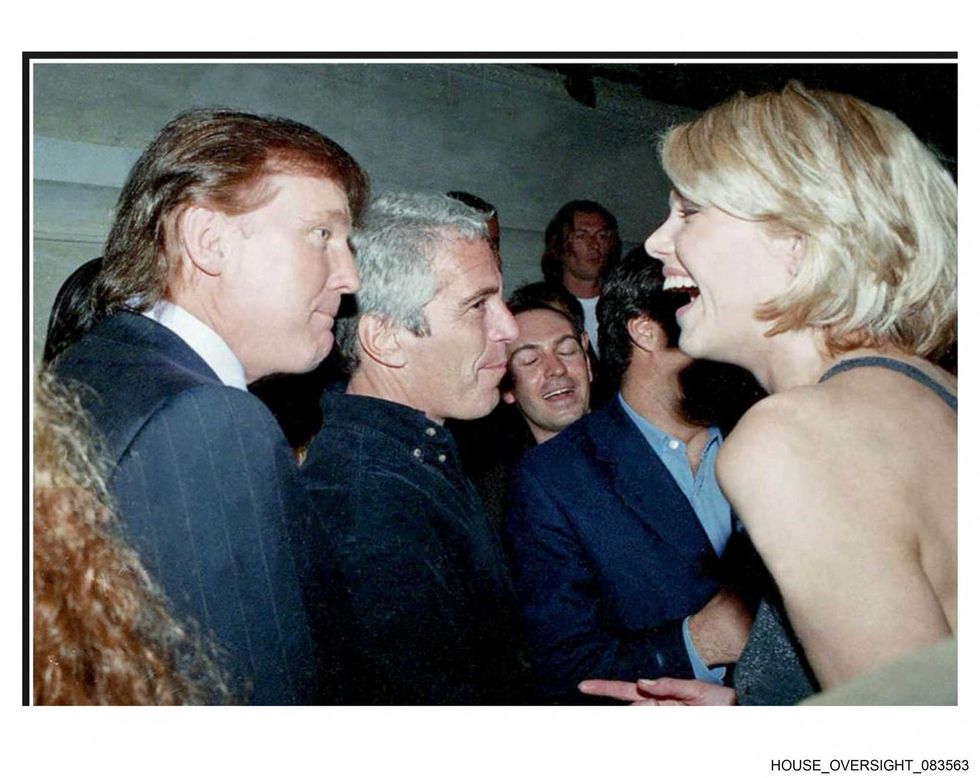
Trump's Epstein confession revealed in newly surfaced FBI files: 'Everyone knows'

Trump's Epstein confession revealed in newly surfaced FBI files: 'Everyone knows'

An explosive new report has yet again undercut President Donald Trump's repeated denials that he knew of the late sex offender Jeffrey Epstein's crimes against
Paylaş
Rawstory2026/02/10 08:09
Trump sets a 15% growth target; Warsh's potential appointment as Fed head may increase pressure.

Trump sets a 15% growth target; Warsh's potential appointment as Fed head may increase pressure.

PANews reported on February 10th that, according to Jinshi, Trump stated that his nominee for Federal Reserve Chair could stimulate economic growth at a rate of
Paylaş
PANews2026/02/10 08:28