

Ethereum Plans Major Upgrade to Use ZK Proofs for Faster Block Validation

The post Ethereum Plans Major Upgrade to Use ZK Proofs for Faster Block Validation appeared first on Coinpedia Fintech News
Ethereum, a decentralized, open-source blockchain systemis planning an important technical upgrade that could change how its blocks are validated at the base layer. Instead of every validator processing all data again, Ethereum aims to use zero-knowledge proofs to verify blocks more efficiently.
This shift could reduce hardware requirements, speed up validation, and improve overall scalability.
Ethereum L1-zkEVM Plan Introduces ZK Proof Block Validation
According to details shared by Ethereum Foundation member ladislaus.eth, the network is working toward an architectural shift under its L1-zkEVM 2026 roadmap. The idea is simple in concept but powerful in effect: validators may no longer need to re-execute every transaction inside each block to confirm it is valid.
Today, every validating node repeats the same execution work independently. As network activity grows, this increases storage, bandwidth, and processing requirements.
Instead, the new model lets validators check a cryptographic proof that confirms the execution was done correctly. This means they only need to verify the result, rather than redo the full work themselves.
The first L1-zkEVM workshop is scheduled for February 11, where teams will review design progress and next steps.
EIP-8025 Would Make Proof-Based Validation Optional
The new upgrade proposal, called EIP-8025 or Optional Execution Proofs, does not replace the current validation system. Instead, it adds an alternative method.
Validators who choose the new option, known as zkAttesters, will be able to verify zero-knowledge execution proofs instead of running a full execution client. This gives validators a lighter and more efficient way to confirm transactions.
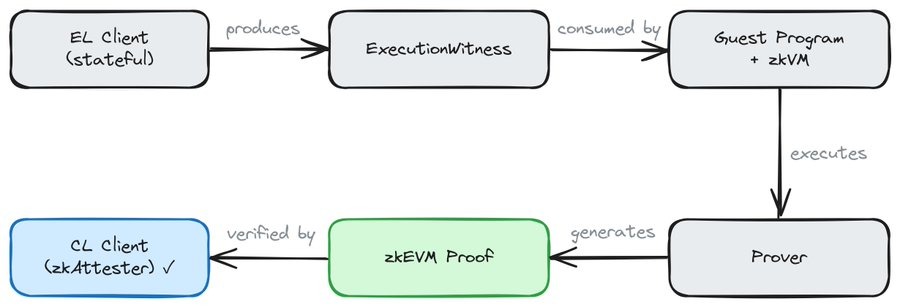
Proofs would be shared across the peer network, and validators could accept a block after verifying a set number of matching proofs from different sources. This approach keeps flexibility while testing the new model safely.
Easier Validator Setup and Better Client Diversity
This new system can make life easier for validators. Instead of storing and processing all block data, they would only need to check a proof. That means less workload, lower cost, and faster setup, even on basic computers. More people could join as validators without expensive hardware.
It also helps improve client diversity, because proofs can be created by different software systems instead of relying on one main program.
However, there are still challenges. Proofs must be generated quickly and correctly, and the network will depend more on proof providers. Developers are still testing how safe, fast, and reliable this method can be.
Ayrıca Şunları da Beğenebilirsiniz

USD Weakness Reveals Surprising Relief: Dollar’s Decline Lowers Global Risk Scores, Says DBS Analysis

White House bitcoin regulation debate intensifies with new crypto market structure meeting
