

Security First: Identifying and Avoiding Common USDT Phishing Scams
TL;DR
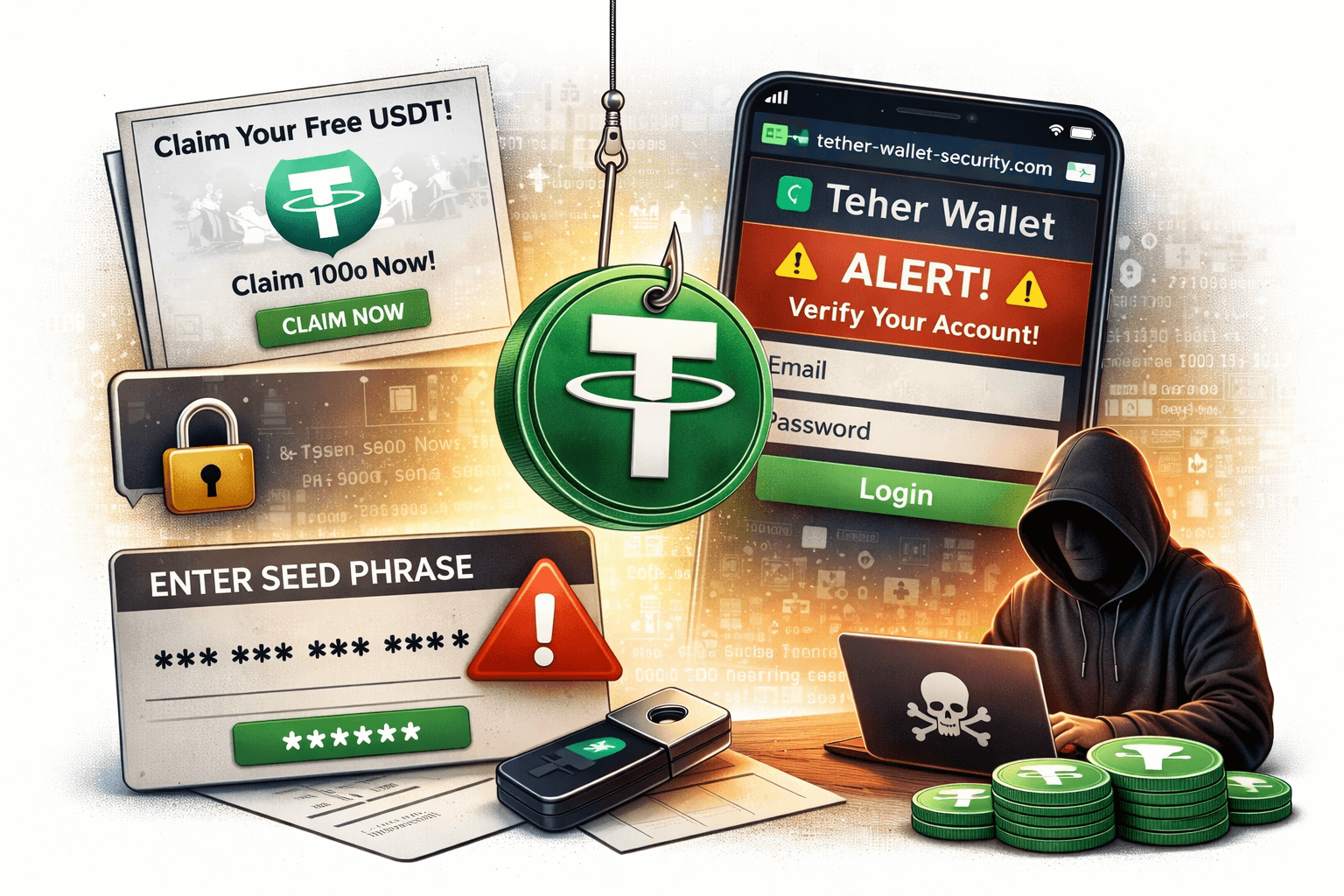
- USDT phishing scams are growing threats, often targeting users via fraudulent websites, social media, and malicious emails.
- Avoiding USDT scams requires careful attention to address verification, network selection, and secure wallet practices.
- If you mistakenly send USDT to the wrong network, take immediate action to recover the funds, if possible, and learn about how to prevent such errors in the future.
- Following safe USDT transaction practices, such as using two-factor authentication (2FA), can minimize the risk of phishing attacks.
- Being aware of secure crypto practices and understanding common scam tactics can significantly reduce your risk exposure.
Introduction
What are USDT Phishing Scams?
- Fake websites mimicking legitimate cryptocurrency exchanges or wallet platforms.
- Social media impersonation by scammers pretending to be official representatives of cryptocurrency platforms or influencers.
- Emails or direct messages that encourage users to click on malicious links or give away private details.
Common USDT Phishing Tactics
Fake Cryptocurrency Websites
- The website's URL matches the legitimate domain (e.g., https://www.mexc.com).
- Look for a secure connection (indicated by HTTPS and a padlock icon in the address bar).
- Avoid clicking on links in unsolicited emails or messages; always navigate directly to the site by typing the URL in the browser.
Social Media Scams
- Verify the official social media accounts of cryptocurrency platforms before trusting any messages.
- Be cautious of unsolicited messages, even from seemingly credible sources.
- Avoid sharing sensitive information or clicking on links sent via social media.
Phishing via Emails
- Never click on links or download attachments from untrusted sources.
- Always verify the sender's email address to check for authenticity.
- If in doubt, visit the website directly via your browser to check your account’s status.
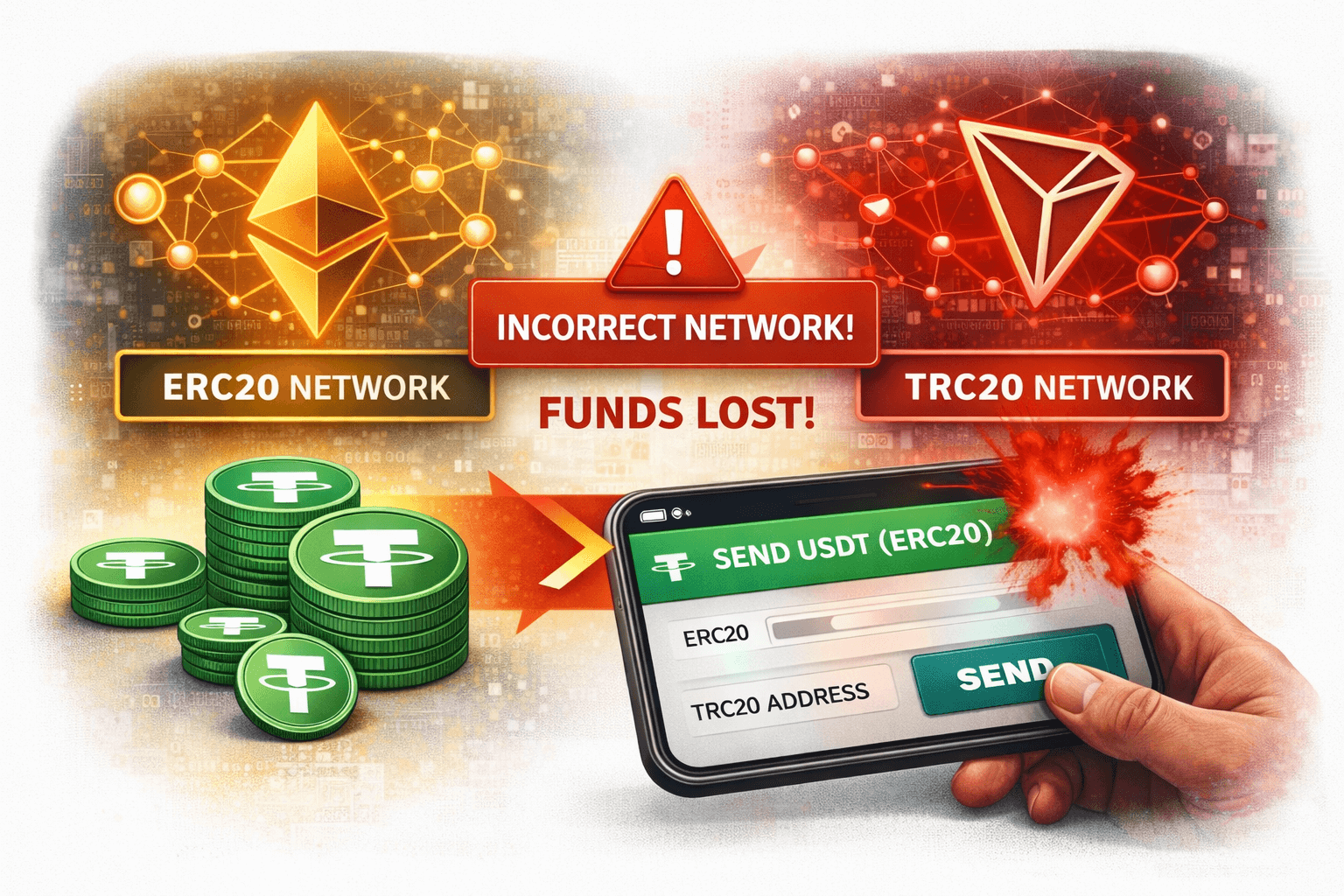
How to Recover USDT Sent to the Wrong Network
- Check the transaction status: If the transaction is pending, you may still be able to stop it.
- Contact support: Reach out to the exchange or wallet platform’s support team immediately, providing all transaction details.
- Check for recovery options: Some platforms offer the ability to recover funds sent to the wrong network, but this depends on the platform and the specific network involved.
- Always double-check the network when transferring USDT or other cryptocurrencies.
- Use a multi-signature wallet for added security.
- Verify the address and network type before confirming transactions.
Best Practices for Safe USDT Transactions
Use Two-Factor Authentication (2FA)
Be Cautious with Public Wi-Fi
Regularly Update Your Wallet Software
Use Hardware Wallets for Large Holdings
Frequently Asked Questions (FAQ)
How can I avoid USDT phishing scams?
What should I do if I send USDT to the wrong network?
How do I ensure secure USDT transactions?
How do phishing attacks target USDT users?
How can I recover my USDT if I fall victim to phishing?
Conclusion
Disclaimer
জনপ্রিয় আর্টিকেল

How Tether Maintains Its 1:1 Peg: Mechanics of USDT Reserves
Tether (USDT) is a stablecoin pegged 1:1 to the US Dollar, meaning each USDT is backed by an equivalent amount of reserves. Tether maintains its peg by holding a mix of fiat assets, cash equivalents,
USDT Trading Pairs: Analyzing Bitcoin and Ethereum Liquidity
USDT trading pairs with Bitcoin (BTC) and Ethereum (ETH) are crucial for the cryptocurrency market. These pairs, such as BTC/USDT and ETH/USDT, offer high liquidity and are essential for accurate pric
The Role of USDT in Decentralized Finance (DeFi) Yield Farming
USDT (Tether) is a stablecoin pegged to the US Dollar and widely used in DeFi yield farming. By providing liquidity in DeFi protocols, USDT holders can earn interest, rewards, and APY (Annual Percenta

Trade the "Asian Pulse": HK50 (Hang Seng Index) USDT Futures Live on MEXC
Do you want to trade the volatility of Tencent, Alibaba, or Meituan without opening a complex Hong Kong brokerage account?MEXC has officially opened a fast lane to the Asian financial center. As of to
ট্রেন্ডিং নিউজ
আরও দেখুন
রোজেন ল ফার্ম ম্যাসোনাইট ইন্টারন্যাশনাল কর্পোরেশন (NYSE: DOOR) স্টকহোল্ডারদের তাদের অধিকার সম্পর্কে তথ্যের জন্য ফার্মের সাথে যোগাযোগ করার আহ্বান জানাচ্ছে
নিউ ইয়র্ক–(বিজনেস ওয়্যার)–রোজেন ল ফার্ম, একটি বৈশ্বিক বিনিয়োগকারী অধিকার আইন সংস্থা, ম্যাসোনাইট ইন্টারন্যাশনালের সাধারণ স্টক বিক্রেতাদের পক্ষে একটি শ্রেণী মামলা ঘোষণা করেছে

BofA সোনা এবং ম্যাটেরিয়ালসে বাবল ঝুঁকির সতর্কতা জারি করেছে কারণ বিটকয়েন সংবাদ সম্ভাব্য রোটেশন ট্রিগারের জন্য অপেক্ষা করছে
মূল অন্তর্দৃষ্টি: সোনা এবং রূপা "বুদবুদের মতো" মূল্য আচরণ প্রদর্শন করছে, এবং বুদবুদ ফেটে গেলে Bitcoin লাভবান হতে পারে। Bank of America Global Research মার্কিন পদার্থ যোগ করেছে

জান্না স্কট, DeFi ট্যাক্স, এবং নিয়ন্ত্রক অন্তর্দৃষ্টি ও নিহিত কর্তৃত্বের মধ্যে সূক্ষ্ম রেখা
জানা স্কটকে ঘিরে অনুসন্ধানের আগ্রহ তীব্র হয়েছে কারণ ক্রিপ্টো বিনিয়োগকারী এবং প্রতিষ্ঠাতারা অস্থির নিয়ন্ত্রক পরিবেশে অডিট প্রস্তুতির প্রতিশ্রুতি দেয় এমন ট্যাক্স টুলস খুঁজছেন

দীর্ঘস্থায়ী এবং তীব্র পিঠের ব্যথার আধুনিক চিকিৎসা পদ্ধতি
পিঠের ব্যথা সব বয়সের মানুষকে প্রভাবিত করে এমন সবচেয়ে সাধারণ স্বাস্থ্য সমস্যাগুলির মধ্যে একটি। হালকা অস্বস্তি থেকে গুরুতর, অক্ষম করা ব্যথা পর্যন্ত, পিঠ-সম্পর্কিত সমস্যাগুলি
সম্পর্কিত আর্টিকেল
How Tether Maintains Its 1:1 Peg: Mechanics of USDT Reserves
Tether (USDT) is a stablecoin pegged 1:1 to the US Dollar, meaning each USDT is backed by an equivalent amount of reserves. Tether maintains its peg by holding a mix of fiat assets, cash equivalents,
Security First: Identifying and Avoiding Common USDT Phishing Scams
Phishing scams targeting Tether (USDT) users are becoming increasingly common. Identifying these threats and following safe transaction practices can help users protect their assets and avoid falling
USDT Trading Pairs: Analyzing Bitcoin and Ethereum Liquidity
USDT trading pairs with Bitcoin (BTC) and Ethereum (ETH) are crucial for the cryptocurrency market. These pairs, such as BTC/USDT and ETH/USDT, offer high liquidity and are essential for accurate pric
The Role of USDT in Decentralized Finance (DeFi) Yield Farming
USDT (Tether) is a stablecoin pegged to the US Dollar and widely used in DeFi yield farming. By providing liquidity in DeFi protocols, USDT holders can earn interest, rewards, and APY (Annual Percenta
