Lending

Lending protocols form the backbone of the decentralized money market, allowing users to lend or borrow digital assets without intermediaries. Using smart contracts, platforms like Aave and Morpho automate interest rates based on supply and demand while requiring over-collateralization for security. The 2026 lending landscape features advanced permissionless vaults and institutional-grade credit lines. This tag covers the evolution of capital efficiency, liquidations, and the integration of diverse collateral types, including LSTs and tokenized RWAs.

14733 Articles
Created: 2026/02/02 18:52
Updated: 2026/02/02 18:52
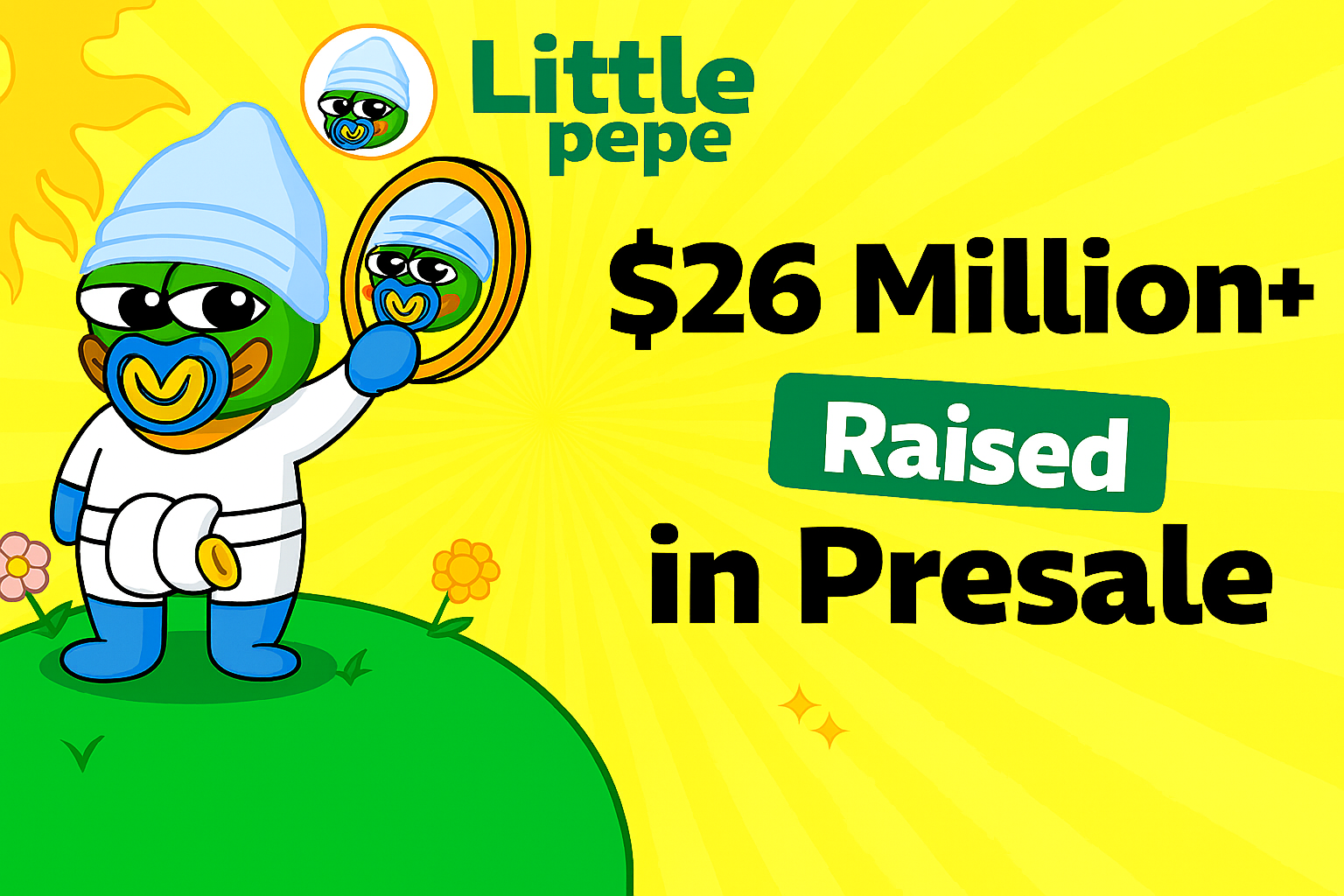
Why Solana (SOL), Ripple (XRP), and Little Pepe (LILPEPE) Are the Top 3 Cryptos to Own as the Bull Run Knocks

Why Solana (SOL), Ripple (XRP), and Little Pepe (LILPEPE) Are the Top 3 Cryptos to Own as the Bull Run Knocks

As the crypto market gets ready for a possible big surge, Solana (SOL), Ripple (XRP), and Little Pepe (LILPEPE) are out front. Each one brings something different to the table, but Little Pepe really shines with its quick rise and large community. Let’s dive into why these three coins look set to do well, with [...] The post Why Solana (SOL), Ripple (XRP), and Little Pepe (LILPEPE) Are the Top 3 Cryptos to Own as the Bull Run Knocks appeared first on Blockonomi.

Author: Blockonomi
Unrivaled Basketball Seals Partnership With Xfinity

Unrivaled Basketball Seals Partnership With Xfinity

The post Unrivaled Basketball Seals Partnership With Xfinity appeared on BitcoinEthereumNews.com. MEDLEY, FLORIDA – JANUARY 17: Angel Reese #5 of Rose battles under the basket against Aliyah Boston #7 of the Vinyl during the second half at The Mediapro Studio on January 17, 2025 in Medley, Florida. (Photo by Carmen Mandato/Getty Images) Getty Images Xfinity has signed a multi-year agreement with Unrivaled, becoming the player-founded basketball league’s official internet, mobile, and entertainment partner. The deal marks Xfinity’s first league-wide sponsorship in women’s sports and will debut with the start of Unrivaled’s 2026 season on January 5. For Xfinity, the partnership is positioned around deepening the fan experience. Plans include behind-the-scenes content driven by players, interactive challenges such as the Free Throw Faceoff, and exclusive discounts for Xfinity customers. In-arena activations like FanFest events and commemorative ticket programs are also part of the package. “As a brand committed to delivering the ultimate experience for sports fans, we are proud to join forces with Unrivaled,” said Jessica Muir, Comcast Senior Director, Brand Partnerships and Engagement. “This partnership not only expands our support of basketball but also allows us to help elevate women’s sports through a league that is innovating women’s basketball to meet the modern sports fan and overall market.” For Unrivaled, the timing of the agreement comes as the league moves into a critical phase of growth. Co-founded by WNBA stars Breanna Stewart and Napheesa Collier, the league launched in 2025 with a 3-on-3, full-court format and a player-ownership model that grants athletes equity alongside salaries. Its debut season drew many of the sport’s top names, a championship won by Rose Basketball Club led by Chelsea Gray, and national attention for its innovative approach on and off the court. That momentum has continued. Earlier this month, Unrivaled announced the first wave of players for its sophomore season, including Paige Bueckers, the 2025…

Author: BitcoinEthereumNews
Mariah Carey’s “Fantasy” Debuted At No. 1 In 1995 And Made History

Mariah Carey’s “Fantasy” Debuted At No. 1 In 1995 And Made History

The post Mariah Carey’s “Fantasy” Debuted At No. 1 In 1995 And Made History appeared on BitcoinEthereumNews.com. Mariah Carey made history in 1995 when “Fantasy” debuted at No. 1, becoming the first song by a female artist to launch atop the chart. American singer-songwriter Mariah Carey wearing a black leather jacket, UK, 1995. (Photo by Mick Hutson/Redferns/Getty Images) Getty Images Mariah Carey started her music career with a bang, as she dominated the American music charts throughout her first decade of success, the ’90s. In 1990 she scored more No. 1s on the Hot 100 than most musicians can dream of, as her first four proper singles — “Vision of Love,” “Love Takes Time,” “Someday,” and “I Don’t Want to Cry” — all ruled for a time. By 1995, Carey was one of the most consistent hitmakers in the global music industry, and she seemed unstoppable. When the singer-songwriter introduced her album Daydream with its lead single “Fantasy,” she would go on to not just top the charts once more, but make history and kick off another incredible run, the likes of which few artists have come even close to repeating. “Fantasy” Started as Mariah Carey’s Ninth No. 1 Carey released the single “Fantasy” on August 23, 1995. Due to how Billboard structured its charts and the dates it placed on them at the time, which were often off by weeks, the track immediately became another champion for the singer — her ninth overall – when it launched at No. on the chart dated September 30. “Fantasy” was a first for Carey, however, as it debuted atop the Hot 100, a feat that was still brand new at the time. Mariah Carey Followed Michael Jackson’s Lead “Fantasy” marked just the second-ever No. 1 debut on the Hot 100, and the first by a female artist. Michael Jackson had made history just a few weeks prior when he…

Author: BitcoinEthereumNews
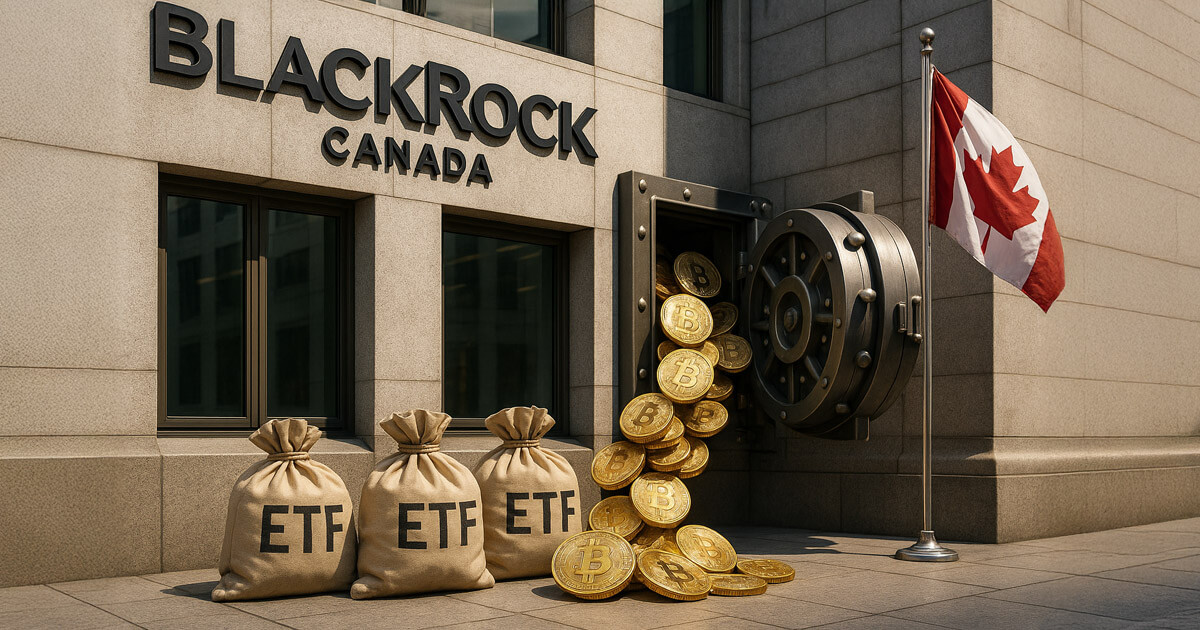
BlackRock Canada expands IBIT with securities lending

BlackRock Canada expands IBIT with securities lending

The post BlackRock Canada expands IBIT with securities lending appeared on BitcoinEthereumNews.com. BlackRock has confirmed that its Canadian arm has granted securities lending for the iShares Bitcoin ETF from Aug. 25 after providing investors with the required 60-day notice. The move follows disclosure in the June 26 prospectus, which outlined how the fund may engage in lending transactions in accordance with Canadian securities laws. The decision aligns it with other iShares ETFs in Canada, many of which already rely on securities lending to generate incremental income. Securities lending allows a fund to loan its holdings, such as shares or other securities, to borrowers, typically financial institutions, in exchange for collateral and a lending fee. Borrowers often use these securities to cover settlement gaps, meet collateral requirements, or support short-selling strategies. By opening IBIT to securities lending, BlackRock is effectively broadening the ETF’s revenue sources while emphasizing that protections will be in place to mitigate risk. BlackRock launched its Bitcoin product in the Canadian market in January. The fund allows investors to hold exposure to the flagship digital asset in Canadian and US dollars. It manages around CAD $358.9 million (equivalent to US$257 million) in assets. IBIT securities lending program According to the prospectus, BlackRock Canada has appointed two affiliates as lending agents for the fund, including BlackRock Institutional Trust Company (BTC), based in San Francisco, and BlackRock Advisors (UK) Limited (BAL), headquartered in London. Under the structure, borrowers must post collateral worth at least 102% of the market value of the loaned securities. That collateral may take the form of cash or other securities, which are marked to market daily. BlackRock also provides a borrower default indemnity, committing to replace any securities not returned in the event of borrower failure. To limit exposure, no more than 50% of a fund’s net asset value may be on loan at any time. Cash collateral, when…

Author: BitcoinEthereumNews
Investors Eye Tapzi Alongside Magacoin For Next 1000x Explosion

Investors Eye Tapzi Alongside Magacoin For Next 1000x Explosion

The post Investors Eye Tapzi Alongside Magacoin For Next 1000x Explosion appeared on BitcoinEthereumNews.com. Crypto News 30 September 2025 | 16:07 The cryptocurrency space in 2025 is no longer just about crypto tokens trading on hype; it’s increasingly about ecosystems that deliver value and keep users engaged. Investors are flocking to new presale cryptos, hoping to secure early positions in projects that can deliver parabolic growth. Two names have captured the spotlight recently as the best new crypto presales: Tapzi (TAPZI) and Magacoin Finance (MAGA). While both claim to offer fresh opportunities, Tapzi is quickly emerging as the frontrunner in the GameFi sector. Unlike many presale tokens that rely solely on speculation, Tapzi (TAPZI) integrates skill-based gaming, tokenized rewards, and community-driven governance into a single, easy-to-access ecosystem. It’s not just building a coin; it’s building a loop that encourages user retention, making it one of the most compelling narratives in the 2025 presale market. The Rise of GameFi in 2025 GameFi is no longer a fringe sector; it has grown into a multi-billion-dollar industry that merges entertainment and blockchain. According to industry trackers, over $12 billion was invested in GameFi projects in 2024 alone, with analysts projecting further growth as Web3 adoption increases. The appeal is simple: traditional gaming requires hours of playtime with no monetary upside, whereas GameFi introduces play-to-earn and skill-based rewards. However, most GameFi tokens fail due to weak ecosystems and poor player retention. This is where Tapzi (TAPZI) separates itself. Instead of focusing on flashy graphics or overcomplicated mechanics, Tapzi (TAPZI) emphasizes classic, universally loved games like Chess, Checkers, Rock-Paper-Scissors, and Tic Tac Toe. These are timeless, easy-to-learn formats that lower entry barriers for players of all ages and regions. By making its platform accessible without downloads or wallet friction, Tapzi is creating a plug-and-play ecosystem where fun meets financial upside. Tapzi (TAPZI) vs. Magacoin Finance (MAGA) Both Tapzi and…

Author: BitcoinEthereumNews
Which is the Best Crypto to Buy Now: Mutuum Finance (MUTM) Battles Cardano (ADA) For 2025 Gains

Which is the Best Crypto to Buy Now: Mutuum Finance (MUTM) Battles Cardano (ADA) For 2025 Gains

Which is the best crypto to buy now has become a defining question as investors weigh new projects against long-standing tokens. Cardano (ADA) continues to chart steady activity while Mutuum Finance (MUTM) is capturing growing attention in its presale. The two projects stand out in different ways, and in 2025 their competition for capital is [...] The post Which is the Best Crypto to Buy Now: Mutuum Finance (MUTM) Battles Cardano (ADA) For 2025 Gains appeared first on Blockonomi.

Author: Blockonomi
AC's new work Flying Tulip: Wants to use DeFi Treasury bond income to "raise" an exchange giant

AC's new work Flying Tulip: Wants to use DeFi Treasury bond income to "raise" an exchange giant

Author: Lemniscap Compiled by Tim, PANews We are excited to announce our participation in Flying Tulip's $200 million seed round. Flying Tulip is a new project from AC and his team, aiming to build a full-stack exchange encompassing spot, perpetual swaps, options trading, lending, and structured yield farming—a truly ambitious initiative built from the ground up. While the project encompasses a wide range of areas, this article will focus on its groundbreaking fundraising model. Why was Flying Tulip created ? Head-on competition with DeFi giants is daunting. They boast deeper pockets, robust recurring revenue, and established teams, operating at a scale far beyond the reach of smaller, more agile startups. These giants enjoy immense network effects, deeply integrated ecosystems, and loyal user bases. Furthermore, there's the political dimension: the power to influence industry standards and partnerships is often as crucial as the quality of the product itself. Therefore, even small startups with truly innovative technologies face a completely different set of challenges in successfully entering the market. This isn't just a technical challenge, it also involves financial and social challenges. Flying Tulip addresses this challenge by reshaping the crypto space's capital formation model. Instead of relying on short-term profit-seeking liquidity and token mechanisms, it strives to establish a fundraising model that can sustainably support business development, allowing its product pipeline ample time and space to independently grow and mature. Limitations of the current token fundraising model To date, the most successful application model for cryptocurrency has been crowdfunding: raising funds by issuing tokens to support the launch of a project. However, after the initial phase ends, many tokens gradually disappear, their value approaching zero as the project owners struggle to maintain sustained demand. The use of tokens is still an active area of experimentation, but in many cases, tokens primarily serve as fundraising tools, a role that often makes the most sense in the early stages of a project, before it develops into a self-sustaining company. Flying Tulip faces this reality and tries to build a corresponding model based on it. Flying Tulip's unique financing model The core idea is simple: raise large sums of money through token sales, invest the funds in low-risk DeFi strategies, and use the profits generated to maintain operations until the product line achieves self-profitability. Investors receive Flying Tulip (FT) tokens backed by perpetual put options. As long as they hold these tokens, they can redeem them at any time for their original investment value, and the put option never expires. From a rational perspective, investors will only exercise their options when the token price falls below the purchase price, at which point their tokens will be destroyed. In effect, investors incur an opportunity cost: if they had invested this capital directly in certain DeFi strategies, they could have earned a yield of approximately 4%. Instead, they gain the upside potential of the FT token while minimizing downside risk through structural design. Flying Tulip ultimately aims to raise $1 billion. The tokens have no lock-up period, and all tokens will be distributed to investors upon issuance. Based on a 4% yield on the project's treasury, this could generate approximately $40 million in annual revenue, which will be used for operating expenses and to develop its product portfolio until fee income becomes the primary source of revenue. Buyback and Destruction: The Core of the Model The proceeds from the DeFi Treasury bond will be used to cover operating costs and repurchase FT tokens. In the future, fees generated by the core product portfolio will become another source of repurchase demand. It's important to note that if investors sell their FT tokens on the secondary market, their put options will immediately expire. This initial capital will be transferred to the foundation to repurchase and destroy tokens. This means that selling not only deprives investors of protection but also directly reinforces the token's deflationary mechanism. In summary, these designs ensure that there will be constant new buying on the demand side of FT tokens, while the supply side continues to decrease. This deflationary positive cycle will continue to reinforce itself. The impact of token economics Since the entire FT supply is held by investors at the time of listing, market prices may experience significant volatility in the early stages. The limited circulation and ongoing buybacks create a foundation for strong reflexivity. Unlike traditional token issuance, where supply is distributed between the team and investors, the Flying Tulip project initially allocates 100% of tokens to investors. Subsequently, the supply will gradually shift to the foundation, ultimately leading to deflationary destruction. Theoretically, once this token has fulfilled its historical mission, it could be completely withdrawn from circulation. Our thoughts "Flying Tulip" isn't a guaranteed win, but it's a uniquely innovative venture. The success of this model hinges on the team's ability to effectively manage funds, maintain stable returns, and build a competitive product ecosystem. The cost is capital inefficiency, as investors forgo returns they could have earned through direct investment. Only project success can offset this opportunity cost. For a large financing round to be successful, the following elements are crucial: The ability to raise large amounts of capital usually relies on a core person or team who attracts capital through their credibility, influence and trust. A sufficiently mature product line is indeed worthy of large-scale fundraising and expansion. In our opinion, Flying Tulip offers a rare combination of these two factors. AC is one of the most astute builders in the crypto space, both influential and controversial. His track record of pioneering crypto primitives is undeniable, and the "Flying Tulip" project continues this tradition: fundamentally reimagining the token fundraising model with unprecedented mechanisms, while simultaneously launching a product portfolio that directly targets industry giants. We support the Flying Tulip team because it represents a reimagining of the token fundraising model, a core mechanism of the crypto movement. If it works, it will accelerate the launch of ambitious projects, enhance the competitiveness of the ecosystem, and ultimately benefit end users. It’s an experiment full of unanswered questions, but it’s precisely this kind of exploration that drives the crypto industry forward.

Author: PANews
Federal Reserve Continues Balance Sheet Reduction Amid Policy Deliberations

Federal Reserve Continues Balance Sheet Reduction Amid Policy Deliberations

The post Federal Reserve Continues Balance Sheet Reduction Amid Policy Deliberations appeared on BitcoinEthereumNews.com. Key Points: Vice Chair Jefferson emphasizes Fed’s ongoing balance sheet reduction amid policy debates. Impacts crypto markets, affecting BTC and ETH volatility. Continued quantitative tightening may decrease market liquidity. Federal Reserve Vice Chair Philip N. Jefferson emphasized the Fed’s readiness to utilize all available tools to shrink its balance sheet, addressing differences in member opinions, as disclosed on September 30. This ongoing quantitative tightening could heighten volatility in crypto markets, impacting liquidity and sparking fluctuations in key cryptocurrencies like Bitcoin and Ethereum. Crypto Market Trends Amid Federal Reserve’s QT Policies Market reactions from prominent crypto figures have been limited, with the broader crypto community cautious about liquidity-related risk. Notably, on-chain data suggest notable declines in DeFi Total Value Locked (TVL) and shifts in ETH staking volumes, reflecting adjustments to the tightening liquidity environment typically associated with these Federal Reserve actions. The implications of this continued balance sheet reduction are significant. Quantitative tightening reduces liquidity available to financial markets, which can unsettle asset classes globally, including cryptocurrencies. Vice Chair Jefferson noted, “Our commitment to the policy tools at our disposal is unwavering, as we navigate the complexities of the current economic landscape.” With less liquidity, experts often expect increased volatility in risk assets like BTC and ETH. Market participants closely watch these actions, driven by the Fed’s ability to recalibrate liquidity across financial landscapes. While no direct impact on interest rates was noted, the market remains vigilant due to potential downstream effects on lending rates and other financial mechanisms. According to CoinMarketCap, Bitcoin’s price stood at $112,884.27 as of September 30, 2025. Its market cap was reported at $2.25 trillion with a market dominance of 58.10%. The 24-hour trading volume showed a 36.85% change, recording $63.73 billion in transactions. Price movements for BTC noted a 0.80% increase over 24 hours but…

Author: BitcoinEthereumNews
China factory output extends six-month downward trend through September

China factory output extends six-month downward trend through September

Factory output in China continued its downward trend through September, marking half a year of declining production as businesses hold out for additional government support and await developments in trade negotiations with Washington. Government data released Tuesday showed the purchasing managers’ index climbed to 49.8 last month, up from August’s reading of 49.4. While this […]

Author: Cryptopolitan
Staking Bitcoin on Starknet: 100M STRK, how it works and risks

Staking Bitcoin on Starknet: 100M STRK, how it works and risks

Starknet enables Bitcoin staking with rewards in STRK and an incentive program of 100 million STRK.

Author: The Cryptonomist